
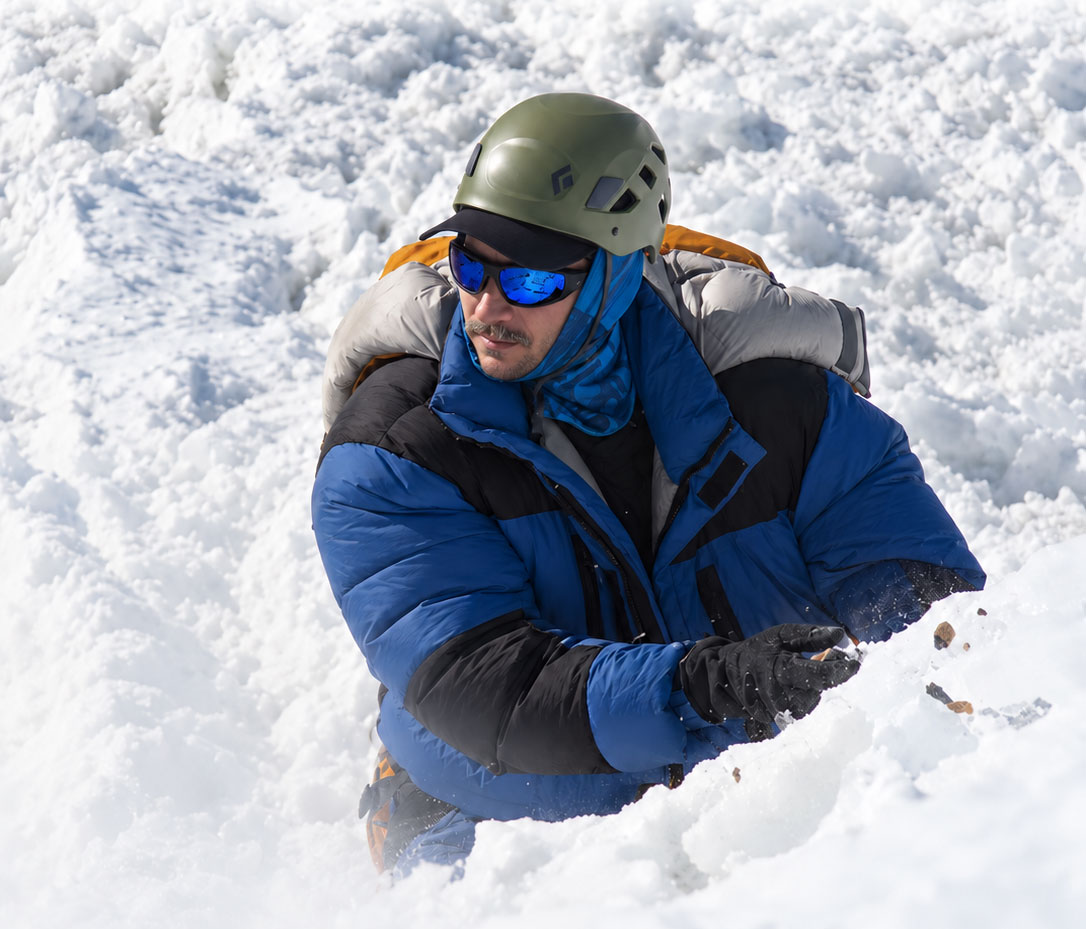

Ed Smith X Dawa Sherpa
I do not climb mountains because I want to die. I climb because I want to feel profoundly alive.
That is my answer when people ask why anyone would spend so much money, endure so much pain, and accept so much risk just to stand on top of a mountain. To some people, it makes no sense.
Why leave a comfortable home? Why trade a warm bed for a tent, a salary for an expedition bill, oxygen-rich air for lungs fighting at altitude? Why deliberately walk toward danger when most of life is designed to protect us from it? But perhaps the real question is not why I climb.
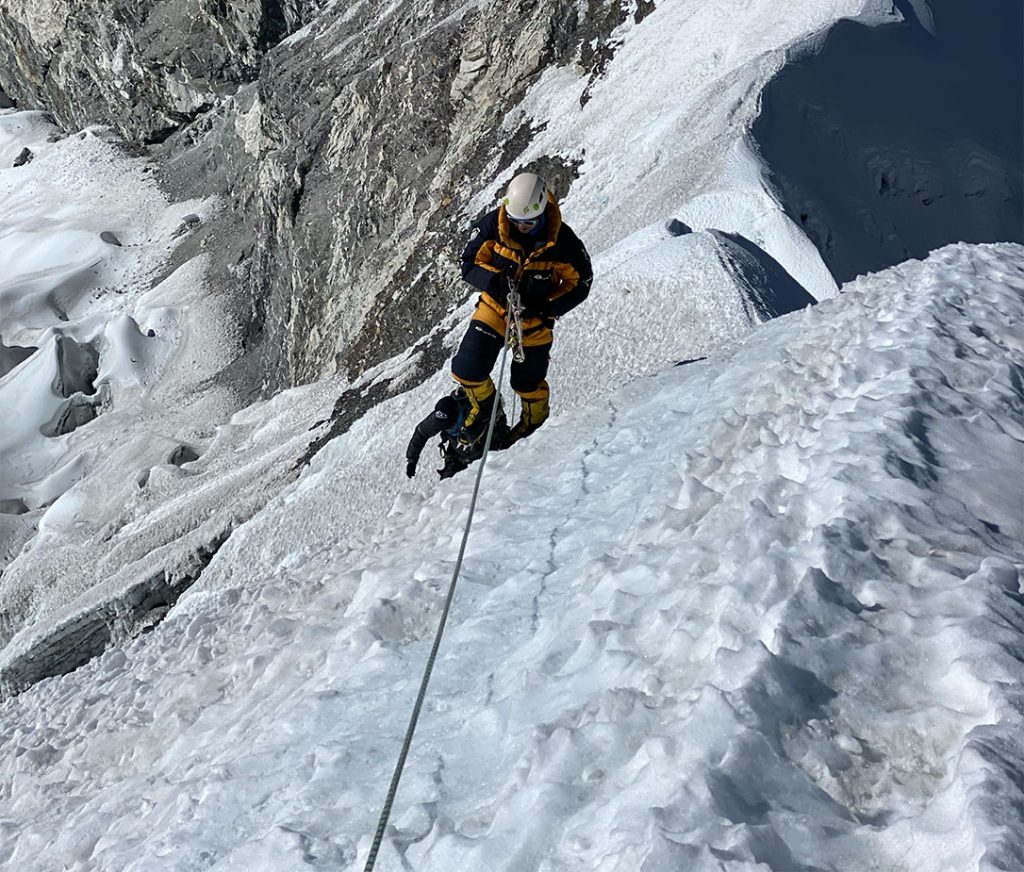
Perhaps it is: What does it mean to truly live?
I grew up in Upstate New York, the son of a farmer. Life was practical. Work hard. Pay the bills. Fix what breaks. Respect the seasons. Build something stable. Later came the familiar rhythm of adulthood. Work. Bills. Meetings. Weekends. Everyone around me thought I was moving forward. Deep inside, I felt like I was running on a hamster wheel. Then Nepal changed the direction of my life.
I first came here as a Peace Corps volunteer in 1998. I went home afterward, but something in me never really left the Himalayas. Years later, I returned to meet my friends. I did the Everest Base Camp trek. Ten days on the trail stripped me naked, not of my clothes, but of nearly every material ambition I had been carrying. Nobody cared about my car, my address, my position, possessions or status. There were only cold mornings, exhausted legs, thin air, silence and mountains so enormous that human ambition suddenly seemed very small.
That was when I understood something. The life we build around ourselves can become a measurement system. Money. Career. Property. Recognition. Security. But the mountains use a different measurement. Can you keep walking? Can you breathe? Can you endure discomfort? Can you remain calm when nature reminds you how little control you actually have?
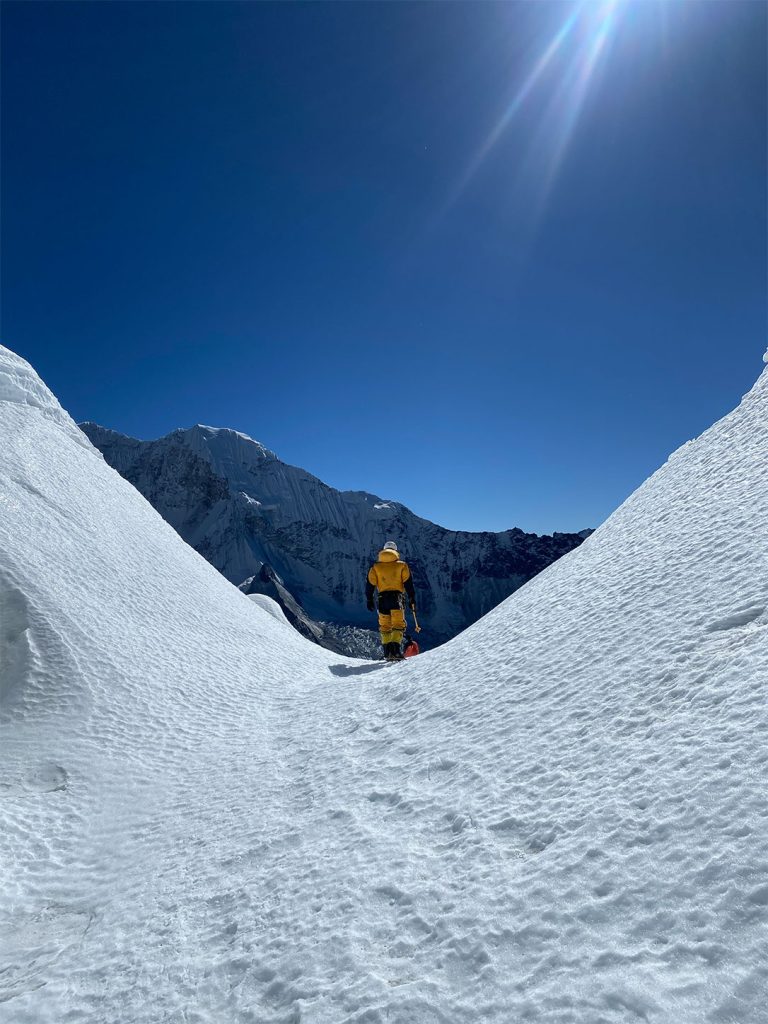
I fell in love with the Himalayas, so I began climbing not because I wanted to conquer the mountains, but because I wanted to become closer to them. Up there, something happens beyond adrenaline. Pain becomes meditation. Exhaustion strips away illusion. Silence becomes louder than the world below.
Your possessions mean nothing. Your résumé means nothing. Your status cannot carry you one more step when your body wants to stop. The mountain reduces you to something brutally honest: a human being. People ask: Why risk your life? But human beings have always searched beyond the boundaries of comfort.
Some dive beneath the ocean. Some fly through the skies. Some race machines at impossible speeds, run marathons, jump from aircraft, cross deserts or explore places where humans were never meant to live comfortably. Some of us climb.
Not because we want to die. Because we want to feel profoundly alive. There is, however, another question I ask myself. Am I putting someone else’s life at risk because of my ambition?
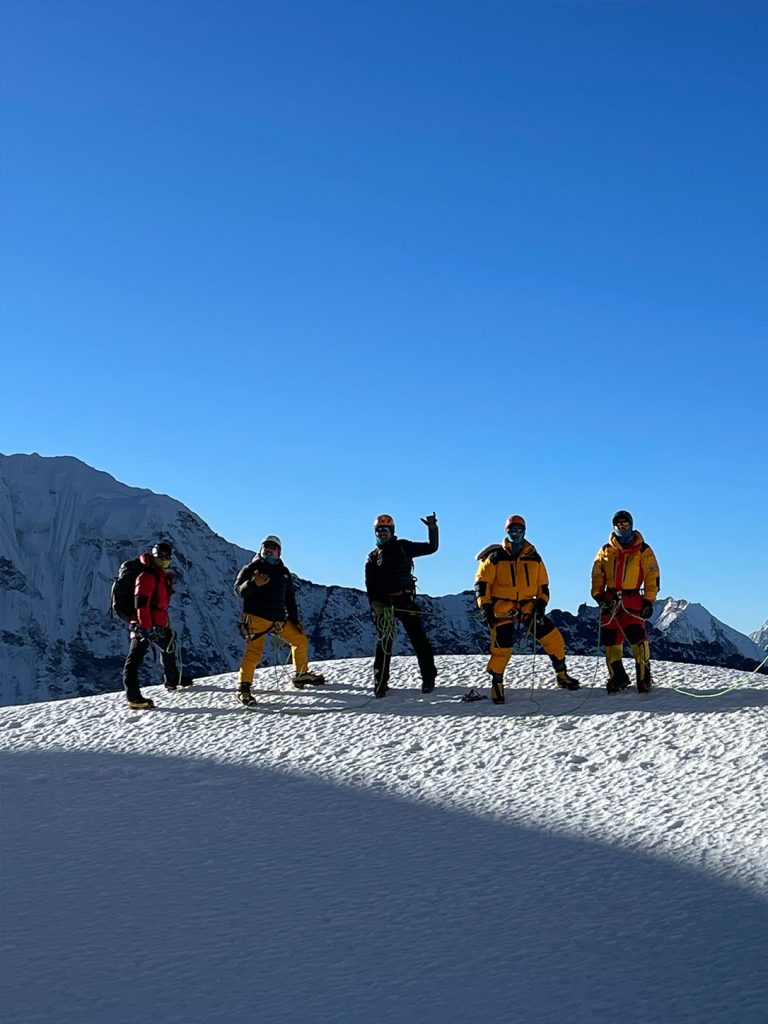
Then I think about the people whose lives are inseparable from these mountains—the Sherpas, guides, cooks, porters, rescuers and expedition staff whose livelihoods, families and identities are connected to this landscape. An expedition becomes a team. Sometimes, it becomes a family.
We walk together. We suffer together. We laugh together. We watch the weather together. Ultimately, we trust one another with something far greater than money: our lives.
That is why before entering the mountain, we seek blessings for safe passage. Not because we are inviting death. Not simply because we fear it. Because we respect the mountain. I do not look down on people who choose stability. There is dignity in building a home, raising a family and living a quiet life. But I do feel sorry for the soul that never questions its walls; that believes money is the only scoreboard; that postpones living while waiting for some perfect day when everything will finally be secure. That day may never come.
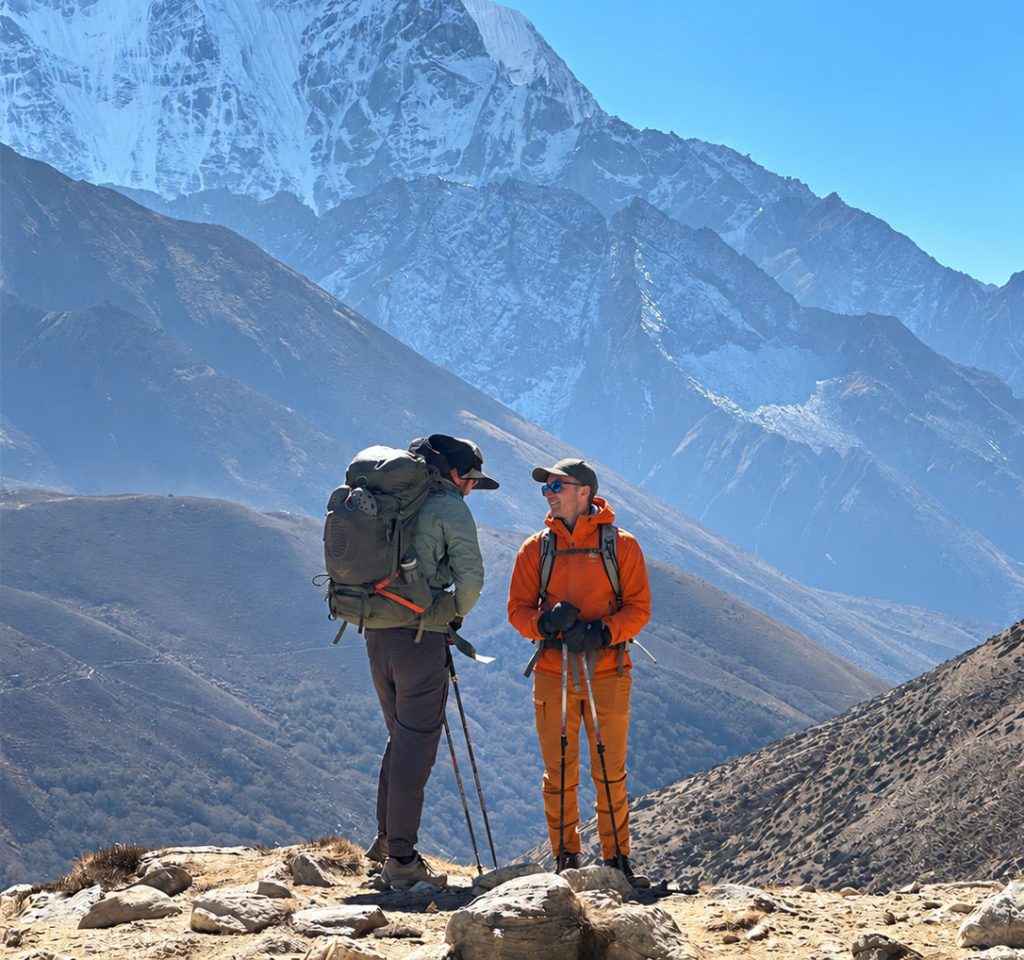
So yes, I climb for the summit photograph. Maybe even a little for the bragging rights. But those are not the reasons I return. I return because the mountains make me feel small—and strangely, that makes life feel bigger. I am not climbing to escape life. I am climbing to meet it at its edge. And my greatest fear is not dying on a mountain.
It is reaching the end of my life and realizing that I was too afraid to truly live.
Note: Ed shared his perspective during a casual conversation with Dawa at a teahouse in Pheriche. We believe his reflections offer answers to some of the most common questions people ask climbers.
