
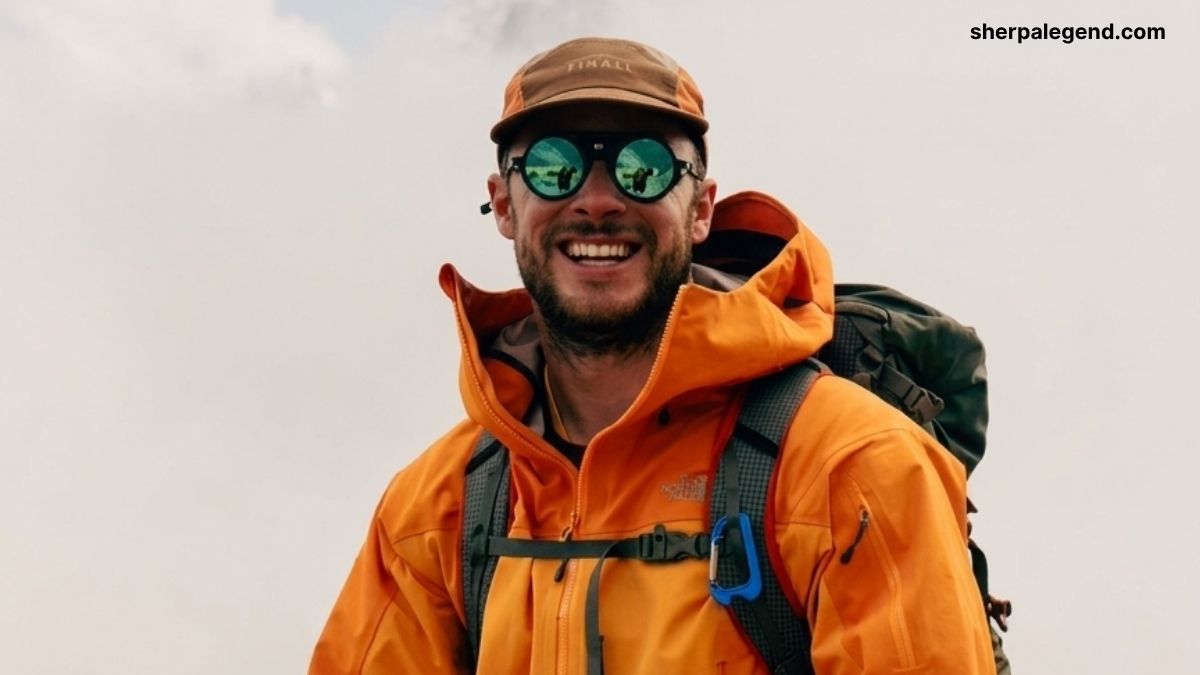

On May 20, 2026, a 27-year-old from Brisbane stood on the roof of the world and said four words “I am so tired.”
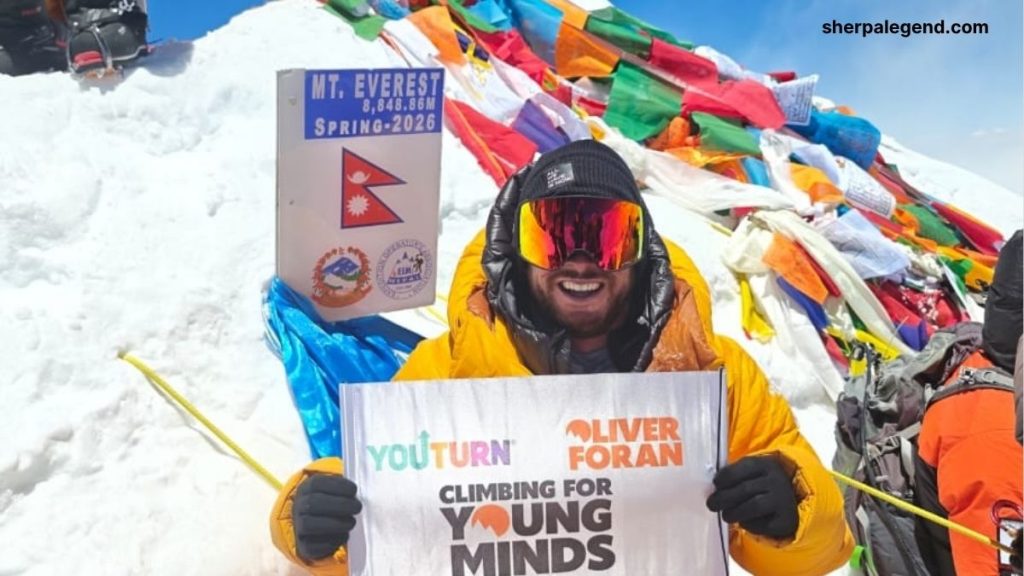
Oliver Foran had just summited Mount Everest. But unlike most climbers who fly in and trek to base camp, he had started his journey at the edge of the ocean cycling more than 1,150 kilometres across India and Nepal before ever setting foot on the mountain itself. In doing so, he broke the Guinness World Record for the fastest “sea-to-summit” journey to Everest, completing it in exactly 50 days.
“For so long, Everest barely even felt real because of everything that had to happen before we could even get there,” he said from the summit. “But after 50 days of refusing to stop, we made it to the highest point on Earth and rewrote what’s possible.”
Who Is Oliver Foran?
Oliver Foran is a young Australian mountaineer, adventurer, and mental health advocate who grew up in Wynnum, Brisbane. He is a graduate of Iona Brisbane and, until recently, was relatively unknown outside of adventure circles.
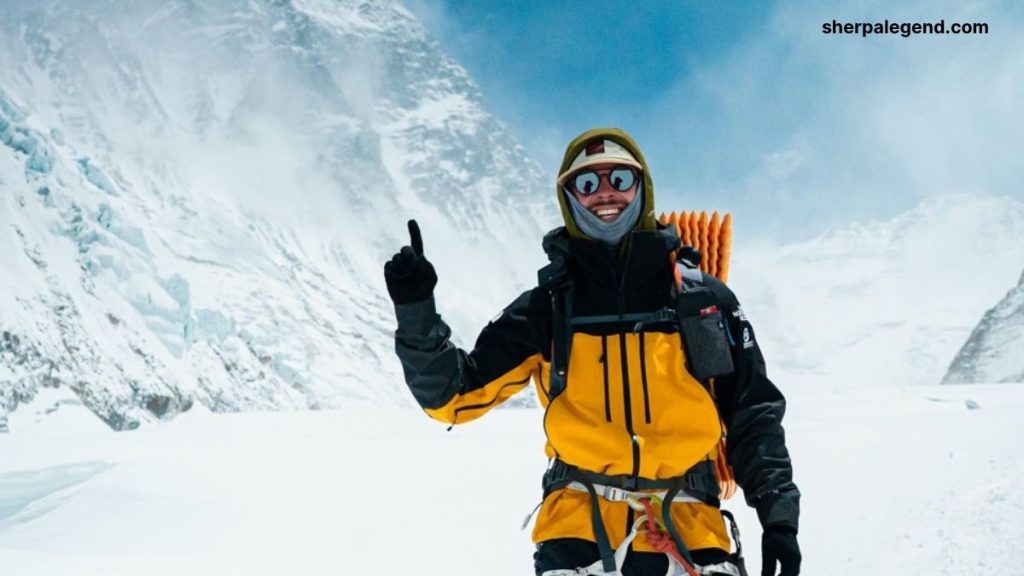
Everest was, remarkably, his first 8,000-metre mountain. His high-altitude experience before this record attempt included summits of Island Peak and Ama Dablam only in the last two years.
He is not a professional climber in the traditional sense. What drives him is something more personal.
A Loss at 16
When Oliver was 16 years old, his mother died of brain cancer. He did not process the grief. He buried it, moved forward, and built what looked from the outside like a successful and driven life. But internally, the loss was still there, unresolved and growing.

Seven years later, the grief finally broke through. A call to a friend at the right moment, he says, proved life-saving.
“I made the decision then that if I ever got the opportunity to stop somebody else from getting to that point, or to give them another way, I would,” he said.
That decision became this expedition. Through the climb, Foran is raising funds for youth mental health programmes in Australia, in partnership with the organisation YouTurn. His goal is to encourage young people especially young men to speak about emotional struggle rather than suppress it.
“What’s really motivating me,” he said during the expedition, “is hopefully having an impact on younger people that might feel a little bit stuck.”
The Journey
Foran’s journey began at Digha, on the eastern coastline of India beside the Bay of Bengal, in early April 2026. From there, he cycled more than 1,150 kilometres through India and into Nepal, crossing into the Himalayas under his own power and without any motorised transport.
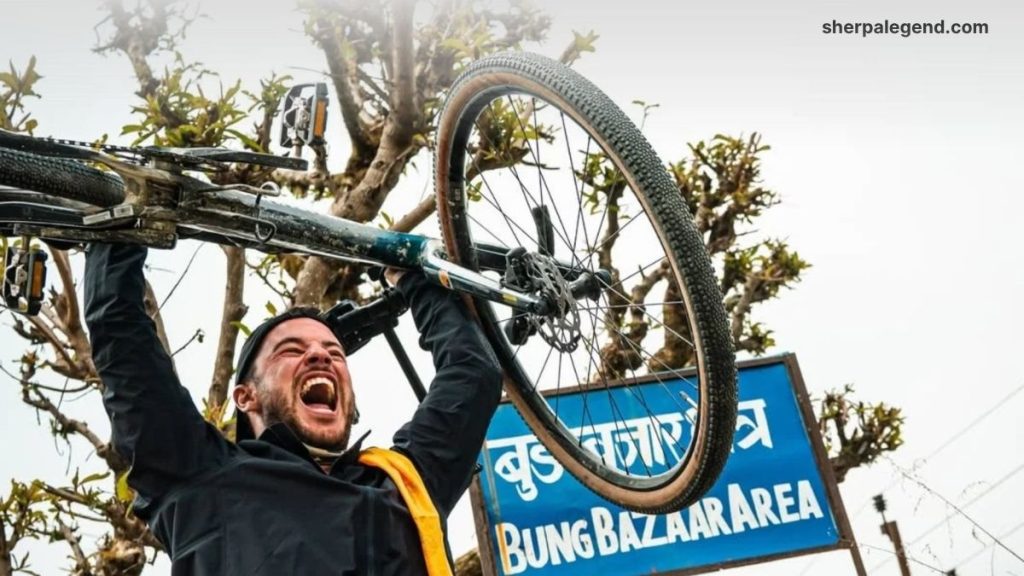
It was not easy cycling. At points, he rode for 10 to 12 hours a day in temperatures exceeding 40 degrees Celsius. He documented the road as he went roadside encounters, conversations with schoolchildren, moments of exhaustion, and the strange, grinding rhythm that develops over long-distance endurance travel.
Once in Nepal, he continued north on foot toward the Himalayas, trekking through Makalu Barun National Park and acclimatising as he pushed toward Everest Base Camp. The climb above base camp took him through the Khumbu Icefall and into “death zone” above 8,000 metres, where oxygen levels become critically low.
There were setbacks. During acclimatisation, his blood oxygen levels reportedly dropped sharply overnight, forcing his team to descend and rework the route. The timeline tightened. But he kept going.
He summited on May 20, 2026, alongside Gelje Sherpa and Ongchhu Sherpa.
The Record
The “sea-to-summit” challenge is a rare feat. It was first completed in 1990 by Australian mountaineer Tim Macartney-Snape, who walked from sea level all the way to the summit of Everest a journey that took three months. It was Macartney-Snape’s documentary that first inspired Foran.
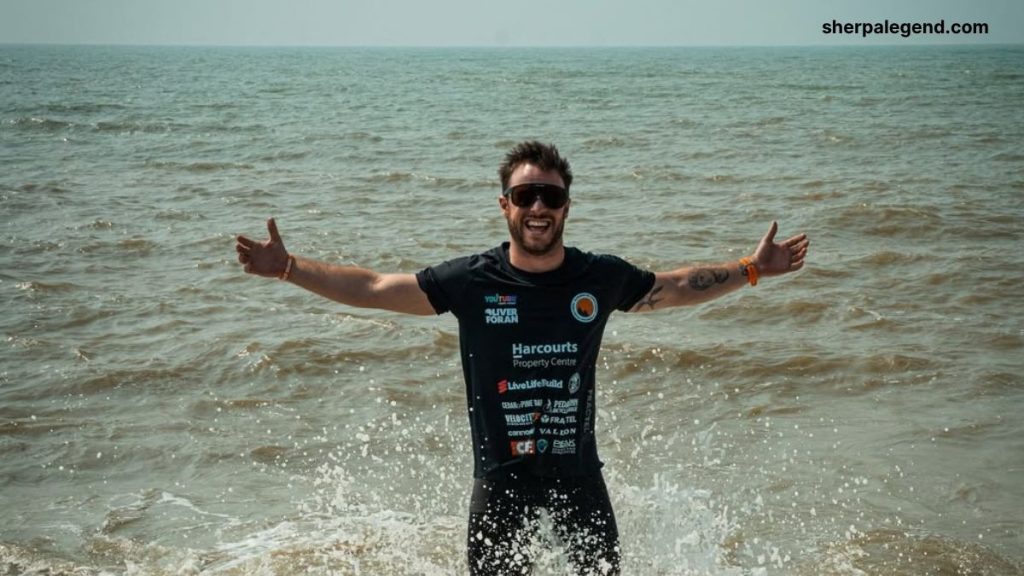
The record Foran broke was set in 2013 by South Korean mountaineer Kim Chang-ho, who completed the sea-to-summit route in 67 days. Chang-ho’s journey involved walking, kayaking the Ganges river, cycling to Nepal, and then trekking to base camp before summiting.
Foran’s confirmed time of 50 days cuts 17 days off that record.
“He summited on May 20. He broke the record summiting Everest from sea to summit in 50 days,” said Adriana Brownlee from expedition organiser AGA Adventures.
The Summit Message
When Foran reached the top, he posted a video to his Instagram account from the summit. He was exhausted. He said what he needed to say simply:
“We’ve just made history. 50 days, all for youth mental health and my mum. I am so tired.”
It was a message that moved across the internet quickly not because it was polished, but because it wasn’t.
More Than a Record
What makes Foran’s expedition stand out is not only the record itself, but the way he has framed the whole journey. In recent years, public attention on Everest has often focused on overcrowding, expensive guided expeditions, and summit-queue photographs. Foran’s approach belongs to a different tradition one where the path to Everest matters as much as the summit.
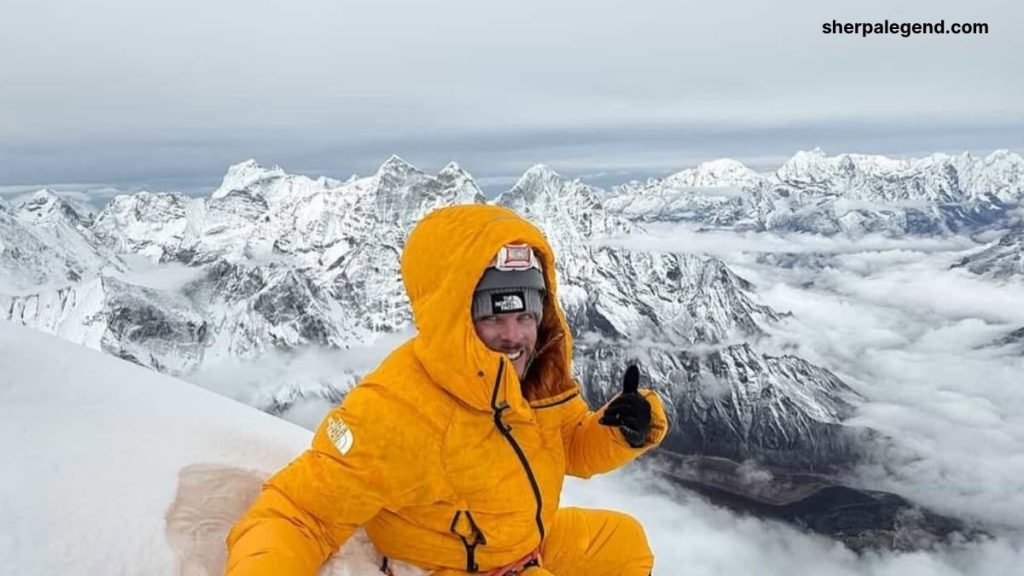
He did not fly to Kathmandu and drive to base camp. He started at the sea, under his own power, and he did not stop until the mountain ran out.
The story of this expedition unfolded across every kilometre of those 50 days across Indian highways in the heat, up the steep paths of the Himalayas, and finally above the clouds, where a young man from Brisbane stood at 8,849 metres and thought of his mother.

Good a blog toper