
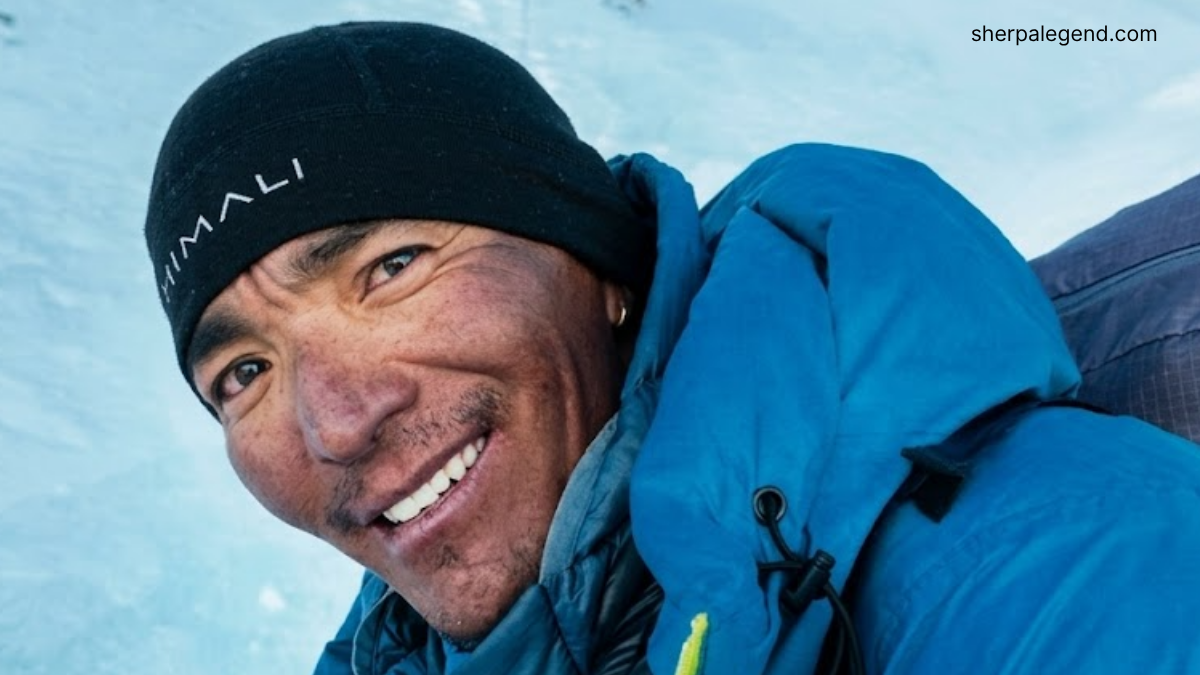

At 8,125 meters on Nanga Parbat, the wind was screaming and the air was thin as a whisper. It was the morning of July 3, 2026. Kili Pemba Sherpa stood on the summit, the ninth-highest point on Earth, and did not shout or punch the air.
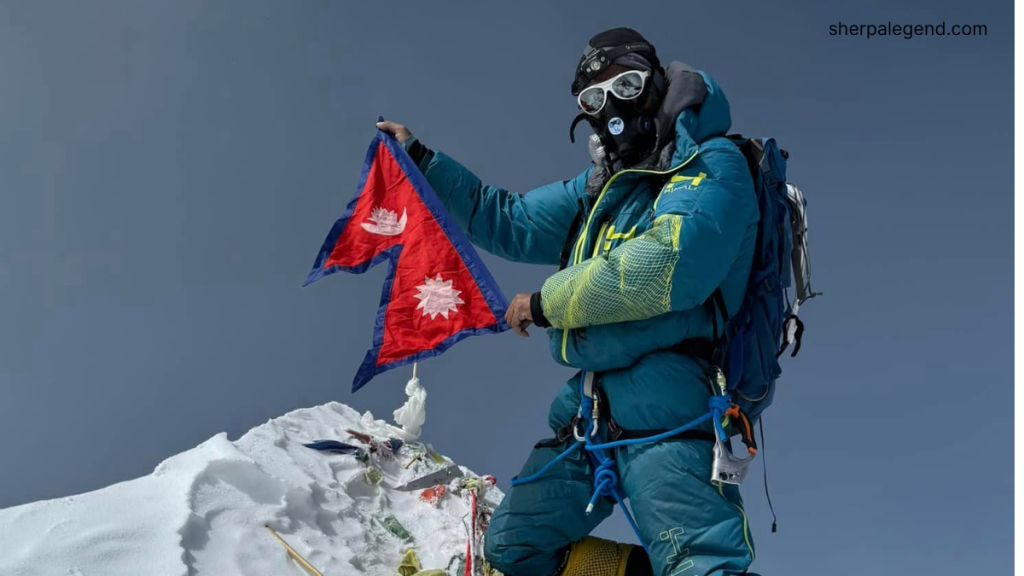
He simply stood there, breathing it in. Beside him were his climbing partner Lakpa Chhiri Sherpa and his client, Wang Zhong. Below them stretched the folds of the Karakoram and the Himalaya, two great mountain systems meeting at this one lonely, windswept point.
This was Kili’s 14th eight-thousander. In a sport where fourteen peaks above 8,000 meters is the ultimate finish line, he had just crossed it. No press conference waited for him. No fireworks. Just a quiet man, one more summit, and a long way still to walk down.
This is the same man who has stood on top of Everest 15 times. The same man who helped make history on K2 in the dead of winter, when the mountain had defeated every attempt before it.
The same man who carried a double-leg amputee to the roof of the world, and then did it again for another client on a different mountain. And almost nobody outside the climbing world knows his name.
WHO IS KILI PEMBA?
People who know him call him Kilu. He does not talk much. He is not the kind of person who fills a room with stories about himself. But once he is comfortable, people say, the jokes come out, and so does a warmth that explains why clients keep coming back to him year after year.
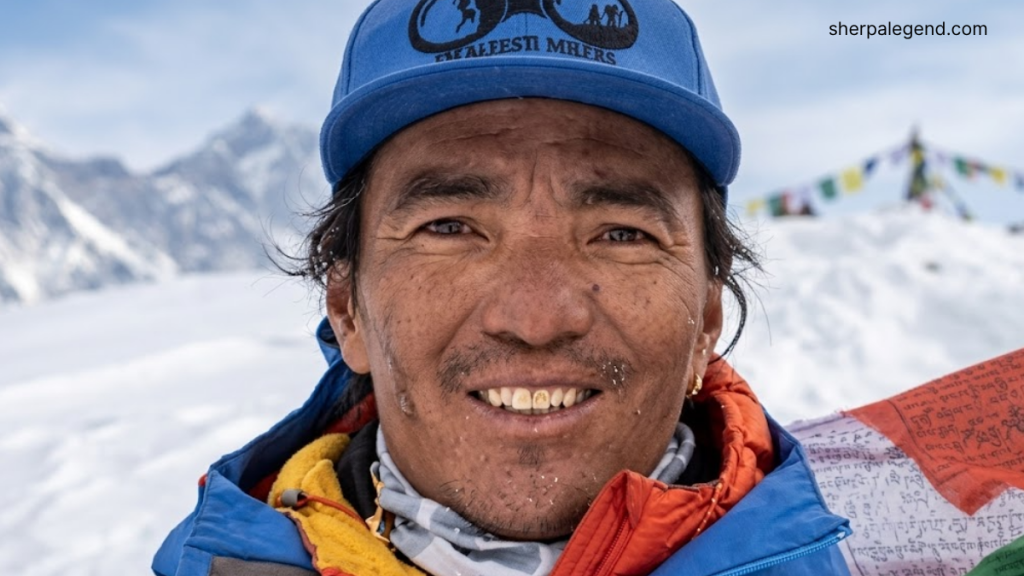
He was born in 1980 in Rolwaling, a Sherpa village sitting at roughly 4,200 meters in Dolakha District. Rolwaling is close to the Tibetan border but far from the Khumbu, the valley that leads to Everest and draws the world’s cameras.
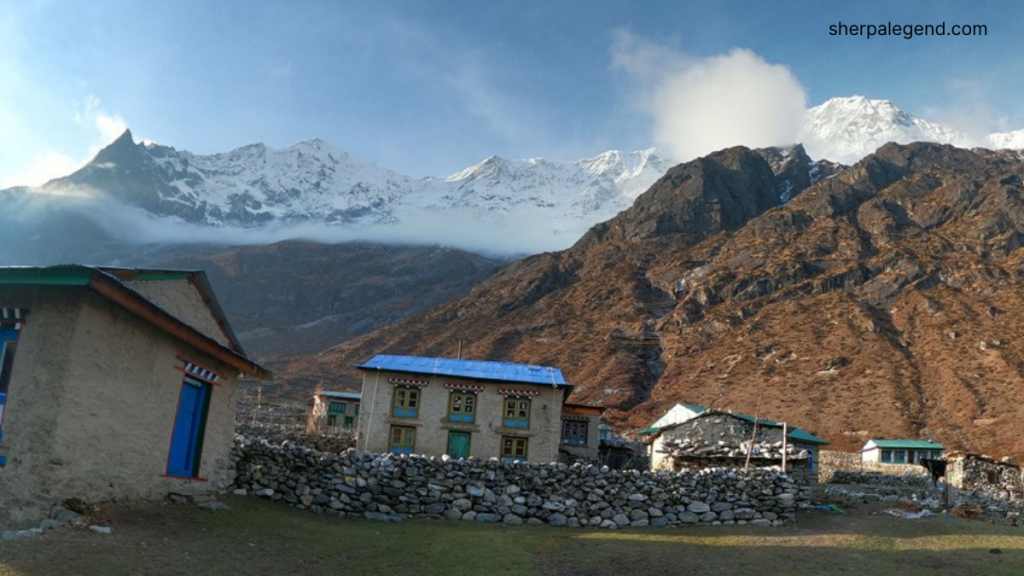
A single high pass, the Tashi Lapcha, separates the two regions. It might as well separate two worlds. The Khumbu has airports, lodges, and generations of mountaineering fame. Rolwaling has none of that. It has hard winters, thin soil, and families who have long sent their sons into the mountains simply to make a living.
That is how Kili’s story began too. In spring 1996, as a teenager, he joined a Japanese expedition to Manaslu as a young support climber. He did not reach the summit. He barely had gear, barely had experience. But he had entered the world of big Himalayan expeditions, and he never really left it.
THE CLIMB THAT FORGED HIM
For the next several years, Kili worked his way up the hard way. He climbed with Japanese, French, British, German, and Norwegian teams, learning his trade on smaller peaks like Mera and Island Peak, and slowly working into the death zone of the 8,000-meter giants.
In 2002, he stood on top of Manaslu for the first time. The following May, on May 22, 2003, he reached the summit of Everest with a Norwegian team. It was his first time on top of the world, but far from his last.
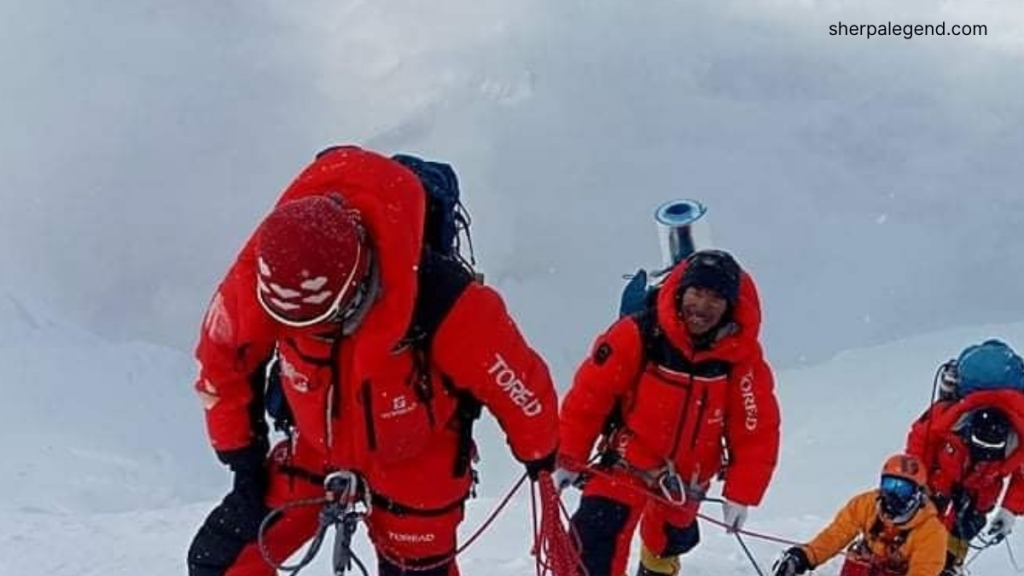
He kept coming back. Everest in 2004, 2007, 2008, 2013, 2016, 2018, 2019, 2021. Many of his clients were repeat clients, people who trusted him enough to hire him again and again, sometimes the same Norwegian teams that had given him his start. By 2026, his Everest tally stood at 15 summits, one of the highest counts of any Sherpa alive. Somewhere along the way, the young support climber from Rolwaling had become a senior guide, the person other guides looked to when things got hard.
DEFINING MOMENTS
Some climbers are remembered for one great feat. Kili has several.
In 2018, he guided Xia Boyu, a Chinese climber who had lost both legs decades earlier, to the summit of Everest. It was Xia’s fifth attempt at the mountain, a quest that had taken him more than 40 years to finish.
Managing a double amputee on the South Col route, in the death zone, is an enormous test of a guide’s skill and patience. Kili got him to the top. Three years later, in 2021, he did something similar for Rustam Nabiev, a Russian double-leg amputee, guiding him to the summit of Manaslu. Both climbs made headlines around the world. Both stories focused on the client. Few articles mentioned the guide standing beside them the whole way.
Then there is winter K2. For decades, K2 was the one eight-thousander that had never been climbed in winter. Brutal cold, ferocious wind, and short days had turned back every attempt.
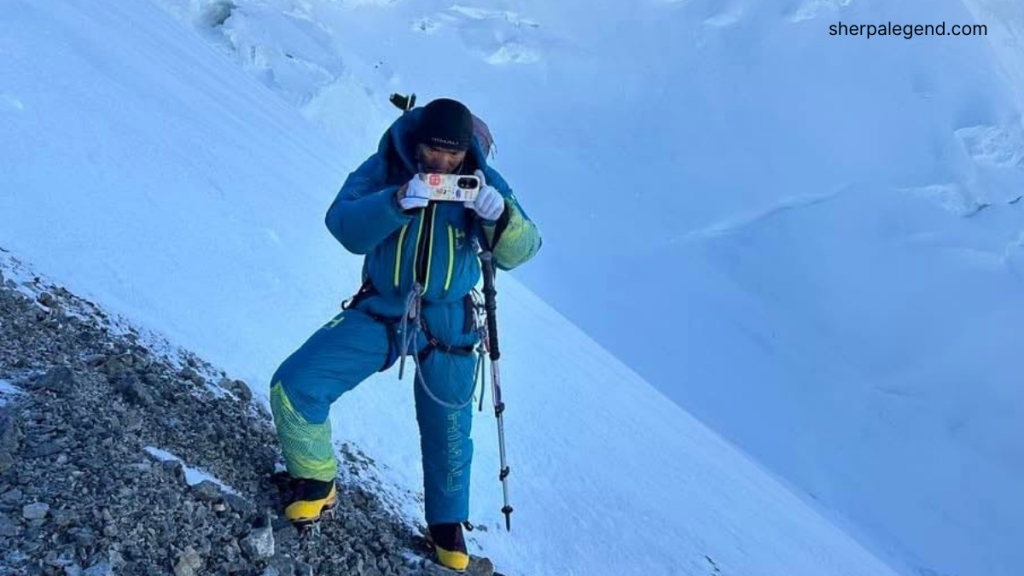
On January 16, 2021, ten Nepali climbers reached the summit together, arm in arm, and finished what everyone else had failed to do. Kili Pemba was one of them. It was not a solo triumph chased for personal glory. It was a team of Sherpas who decided, together, that they would either all summit or none of them would. They all summited. It remains one of the great collective achievements in mountaineering history.
That same year, Kili was part of another quiet correction to the record books. Alongside Mingma G, he helped establish the true summit route on Manaslu, the actual highest point of the mountain, which many climbers had unknowingly stopped short of for years. Every genuine Manaslu summit since has followed the route his team fixed.
And then, in 2026, came Nanga Parbat. The team reached Base Camp on June 30 and moved fast, helped by a good weather window: Camp 1 that same day, Camp 2 on July 1, Camp 3 on July 2, and the summit on the morning of July 3. Four days from the road to the roof of the mountain. It was a swift, efficient, alpine-style push, and it completed something Kili had been working toward for thirty years.
THE SHERPA REALITY
Ask why Kili Pemba is not a household name, and the answer says more about mountaineering journalism than about him.
Global coverage tends to follow whoever is easiest to turn into a story the client with the inspiring personal history, the record-chaser building a media brand, the climber with a book deal and a film crew.
The guide who made the whole thing possible often disappears into a caption, or does not appear at all. When Xia Boyu and Rustam Nabiev were celebrated for their summits, reports on their achievements largely left out the guide who managed their oxygen, their pace, and their safety every step of the way.
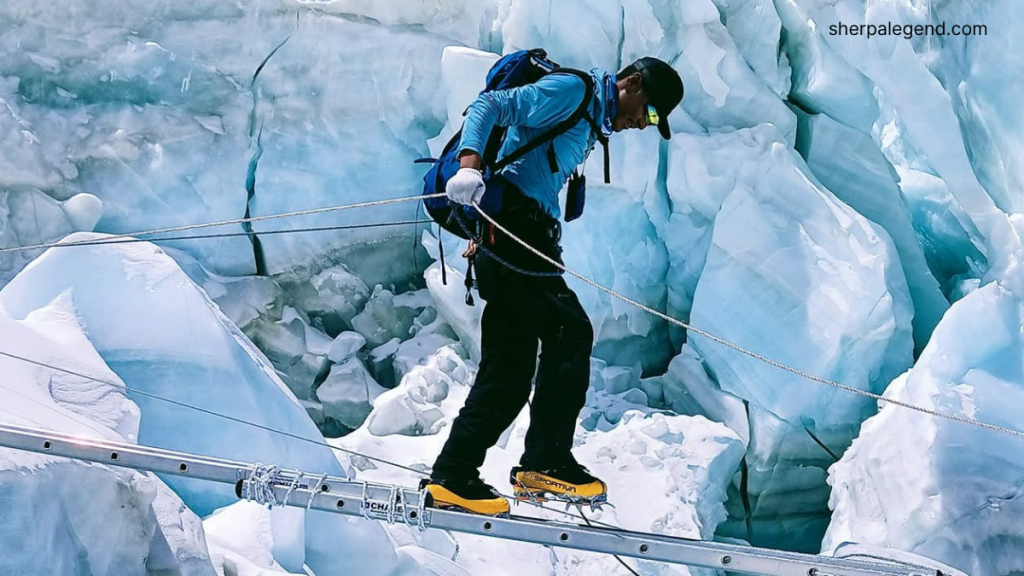
Kili also comes from Rolwaling rather than the Khumbu, a valley with far less name recognition among trekkers and journalists, and he has spent his career working for expedition leaders like Mingma G rather than building a personal brand.
On winter K2, the story that traveled the world was about ten Nepali climbers reaching the summit together, not about any one of them individually. That is precisely the kind of leadership Kili represents work done as a team, credit shared or simply left unclaimed, the client’s success treated as the real point of the whole expedition.
It is a demanding, dangerous way to make a living. Guides carry the responsibility for other people’s lives at altitudes where the body is slowly dying, year after year, expedition after expedition, often supporting families back home who depend on that income. Add a changing climate reshaping the very ice and rock these routes are built on, and the job only grows harder. Kili has done this work for three decades without asking for much recognition in return.
THE PRESENT MOMENT
After finishing all 14 eight-thousanders, Kili described it simply as a dream fulfilled. He has said that every summit shaped him into the person he is today, and that he looks forward to continuing his journey wherever the mountains lead him. There is no talk of retirement, no farewell tour. For a man who has spent thirty years quietly getting people to the top of the world, the mountains are still where he expects to be.
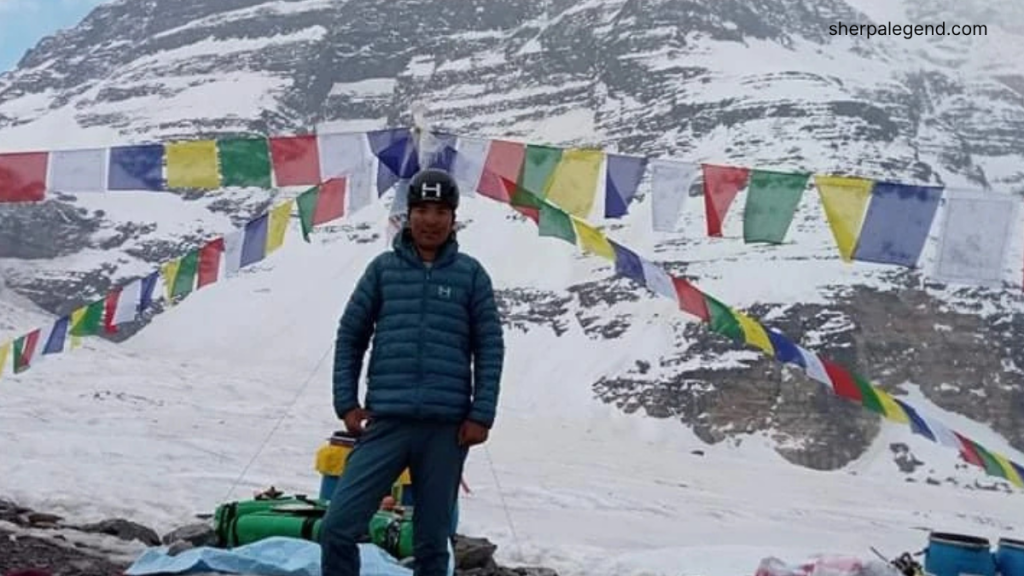
His client on Nanga Parbat, Wang Zhong, has three eight-thousanders left to complete his own set. It would not be a surprise to see Kili beside him again, doing the same work he has always done fixing ropes, checking oxygen, watching the weather, making sure someone else’s dream comes true.
A LEGACY OF QUIET COMPETENCE
Picture him back in Rolwaling between expeditions, in the village at 4,200 meters where this all began, looking out at mountains that gave him a career few people will ever match. Fifteen Everest summits. Two trips up K2, one of them in winter, when the mountain had never let anyone through before. All fourteen eight-thousanders. Double amputees guided to two different summits. A share in correcting the historical record on Manaslu.
In an age that celebrates whoever shouts the loudest, posts the most, and brands the best, Kili Pemba Sherpa’s career argues for something older and quieter mastery built over decades, service to other people’s dreams, and the discipline to do extraordinary things without needing anyone to notice. While the world cheers the summiteers, Kili Pemba Sherpa remains the quiet force that carries them there, one of the Himalaya’s most complete climbers, finally getting his due.
