

What we know so far, as of August 27
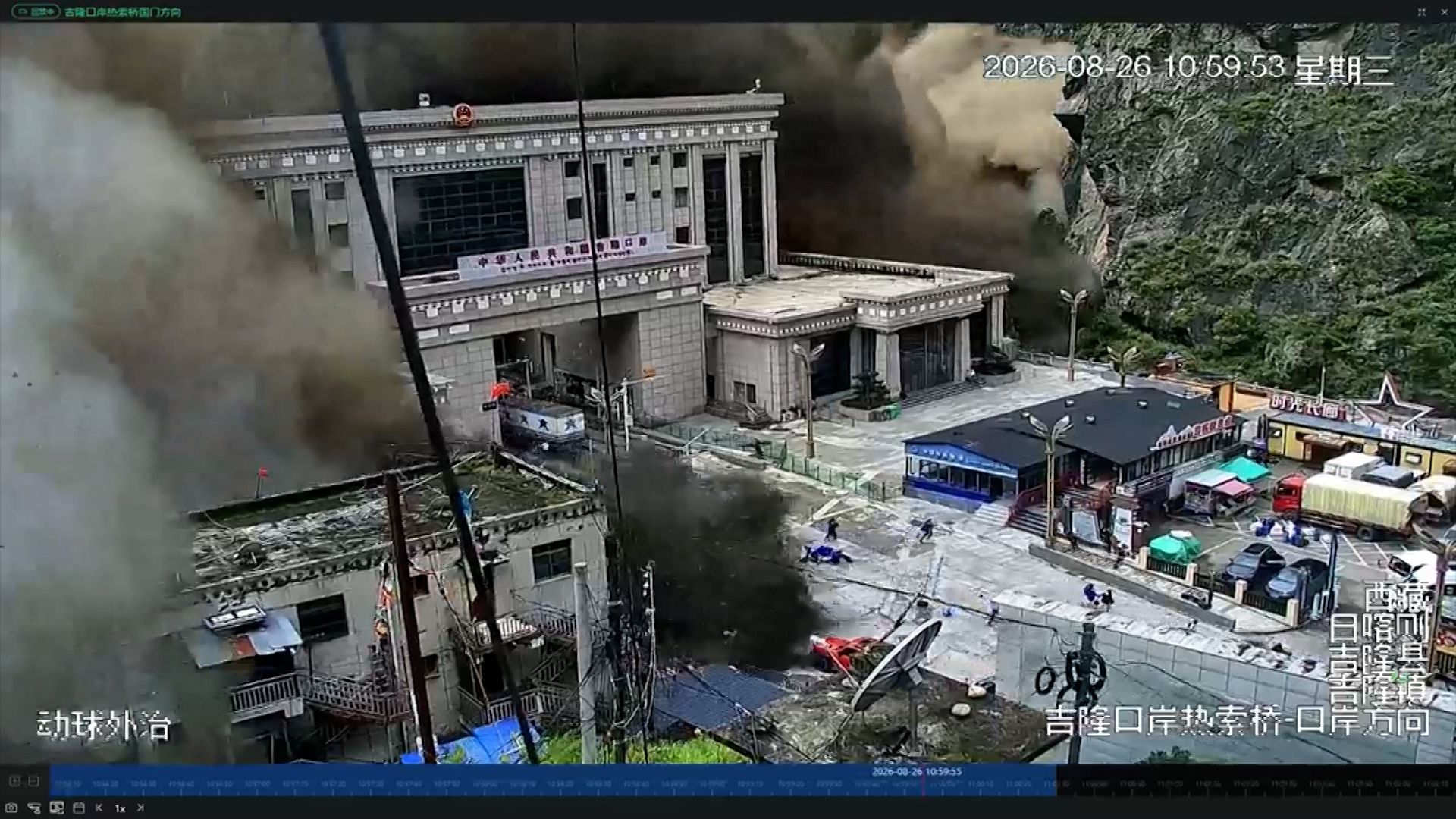
A massive flash flood and debris flow started near the Nepal-China border, in the Tibet/Gyirong area. It was linked to a rock and ice avalanche, or a landslide, that temporarily blocked a river in the Lhende/Bhote Koshi system. When the blockage gave way, it released a sudden surge of water and debris.
The flood hit hardest in Rasuwa district, in places like Timure, Syabrubesi (also written Syapru Besi), and the Rasuwagadhi border area. From there, it moved into Nuwakot and Dhading districts, affecting places such as Trishuli Bazar, Galchhi, and Betrawati. Downstream effects were also felt in Chitwan, Gorkha, and Tanahun, and beyond.
The flood followed the Bhote Koshi river, which flows into the Trishuli river. This was not a monsoon rain event happening in the Manaslu valleys themselves.
Deaths and damage
According to the latest report from the Nepal government, 162 bodies have been found, and thousands of people are still missing. The death toll is rising, and reports vary by source as rescue work continues. Those missing include many tourists and pilgrims, security personnel, and hydropower workers.
There has been major damage to roads, bridges, and settlements. The border crossing area and the Friendship Bridge were also affected. Multiple hydropower projects were damaged, and hundreds of megawatts of power generation are offline.
How this connects to Manaslu
Manaslu sits in Gorkha district. The standard expedition route to Manaslu goes through the Budhi Gandaki valley, with trailheads usually starting at Arughat, then Soti Khola or Machha Khola.
This is a separate river catchment from where the flood happened. The Budhi Gandaki river does eventually join the Trishuli river system, but that meeting point is farther downstream, near the Benighat area in Dhading.
Some damage reports and high-water alerts did reach Gorkha district, including along riverbanks. But as of now, there are no reports that the Manaslu Circuit trail, the base camp approach routes, or the high valleys near Manaslu were washed out or damaged by this specific flood.
What about the roads to get there
Access roads from Kathmandu toward Manaslu can still be affected indirectly. This is because common travel routes pass through or near Dhading, Galchhi, and Mugling, which sit along the Prithvi Highway corridor and the connecting roads toward Arughat.
Vehicle movement toward Dhading was restricted. Some landslides, along with earlier monsoon-season issues on the Arughat to Machha Khola road sections, have also been noted in broader road reports. An alternative, longer route through Mugling and Gorkha may be usable, depending on conditions on any given day.
Timing: why September matters
September marks the start of the post-monsoon climbing and trekking season for Manaslu. Teams typically arrive in late August or early September to acclimatize before making summit pushes later in the month.
This autumn season alone is expected to add more than 300 new summiteers to the mountain’s all-time total. That number is close to 10 percent of everyone who has ever reached Manaslu’s summit since the first ascent.
Early September can still carry some residual monsoon effects, such as mud, high rivers, and landslides on lower trails, even in a normal year without a flood like this one.
Practical impact on September expeditions
Short term (late August to early/mid-September): Teams and logistics traveling by road from Kathmandu are likely to face delays or complications. This includes possible road closures, bridge damage.
Mid-to-late September onward: Conditions are more likely to be manageable if roads are repaired, temporary bridges are installed, and floodwaters recede. Authorities are already working on this. The mountain itself, and the upper route on Manaslu, should be unaffected by this flood.
As of August 27, there are no widespread reports of Manaslu-specific cancellations or trail closures resulting from this event.
What climbers and teams should do
Contact your expedition operator, local agents in Kathmandu or Gorkha, or the Department of Roads and Nepal Tourism Board for the latest road status. This is especially important for the Galchhi to Arughat section and related roads.
Keep monitoring official updates. Conditions can change quickly during the transition from monsoon to post-monsoon season.
Note: This report reflects what is known as of August 27. Details are still developing, and figures such as the death toll may change as rescue operations continue.
