
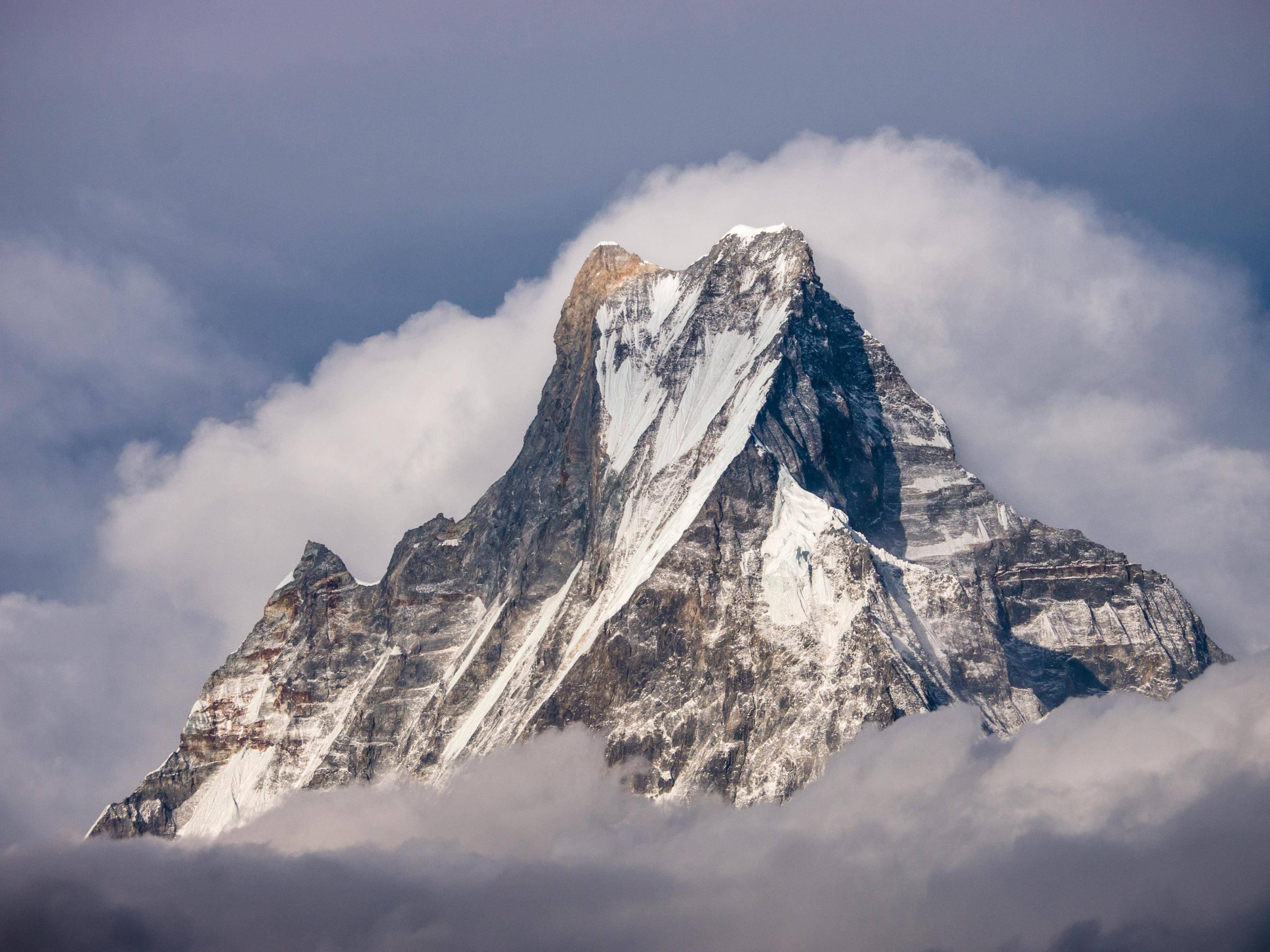

The climbing of Machapuchare, also known as Fish Tail, was banned in 1962 by the Nepalese government. The primary reason for this ban was to preserve the sanctity of the mountain, which is considered sacred by the local Gurung population. The mountain was not climbed again after the unsuccessful attempt by a British expedition led by Lt Col Jimmy Roberts in 1957. The ban was also influenced by Roberts’ personal sentiment, as he had promised not to set foot on the summit and wanted to keep the mountain out of bounds for others.
The local community and the government have maintained that the mountain is sacred and should not be climbed. The Gurung people believe that the mountain is not just a natural wonder but also holds spiritual significance. The ban has been in place for over five decades, and there have been ongoing debates about whether to lift the ban and allow climbing expeditions on the mountain.
The arguments against lifting the ban include concerns about environmental degradation, the potential disruption of the local ecosystem, and the fragile environment of the Seti and Mardi river valleys that drain the mountain. Additionally, some argue that the mountain is not the monopoly of individuals from Pokhara Bazar and that its opening could lead to crowds and commercialization, similar to what is seen on other popular climbing peaks like Mt Ama Dablam.
The debate surrounding Machapuchare is complex, involving both environmental and cultural concerns. While some argue that the mountain should be opened for climbing, others believe that its sanctity should be preserved for the benefit of the local community and the environment.
