
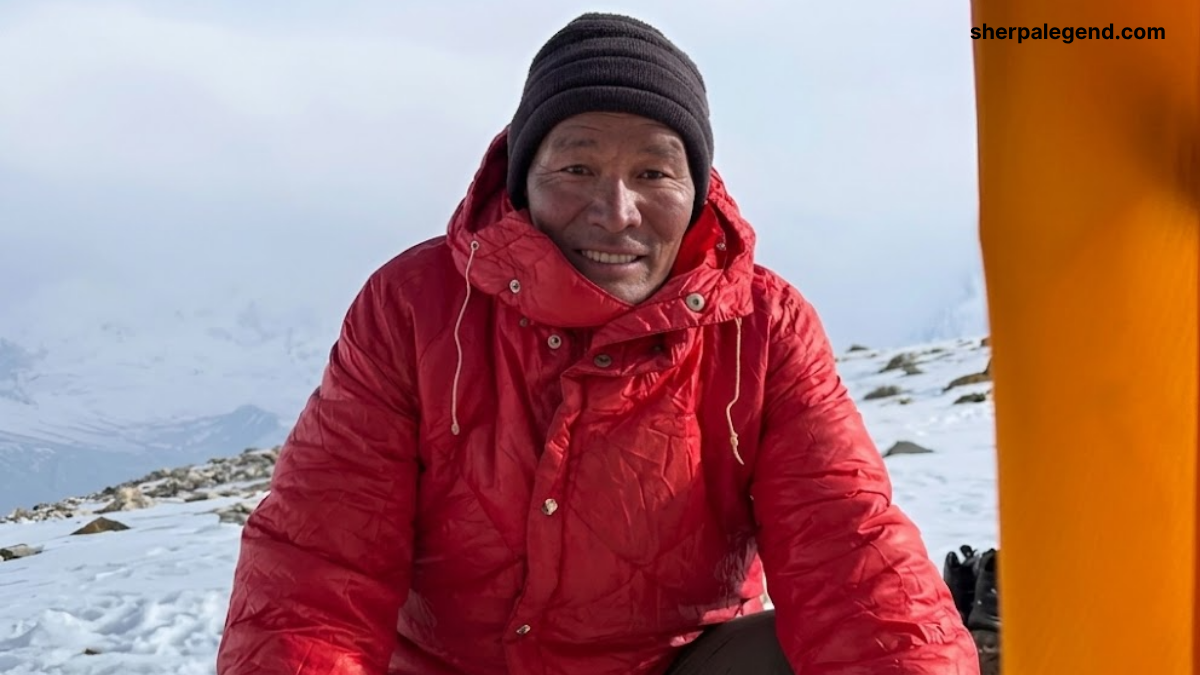

Dawa Sherpa had been missing for a week above one of the most dangerous mountains on earth. No one knew if he was alive. Then, on the morning of June 4, workers spotted a figure crawling through the snow near the Khumbu Icefall frostbitten, exhausted, but breathing.
He wasn’t a famous climber chasing a record. He wasn’t a wealthy client with a satellite phone and a rescue team on standby. Dawa Sherpa known to friends and colleagues as Hillary was a Sherpa assistant from Okhaldhunga’s Khijidemba Rural Municipality, doing what Sherpas do quietly and without fanfare supporting someone else’s dream on the world’s highest mountain.
And then he vanished.
Who Is Dawa Sherpa?
Dawa Sherpa is a tourism and mountaineering worker from Okhaldhunga, a hilly district in eastern Nepal. He goes by the nickname “Hillary” a name that carries enormous weight in the Everest world, a nod to the legendary Sir Edmund Hillary who first stood on top of the world alongside Tenzing Norgay in 1953.
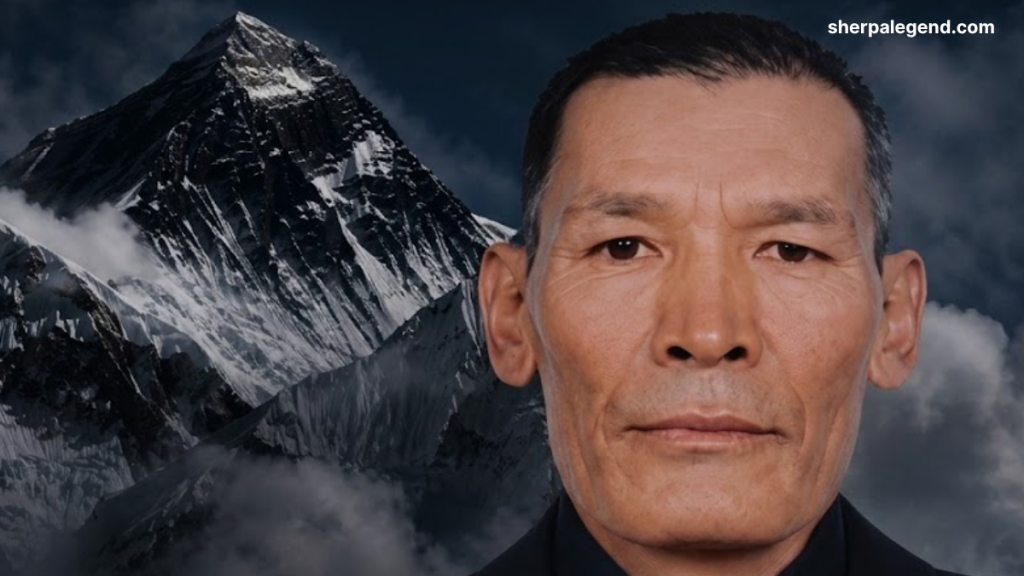
Like thousands of Sherpa workers before him, Dawa built his livelihood on the slopes of Sagarmatha fixing ropes, carrying loads, guiding clients through terrain that would defeat most people on their best day.
He is the kind of man the commercial climbing industry cannot function without, yet whose name rarely appears in the headline.
This time, his name did.
The Day He Disappeared
It was May 28, 2026. Dawa had successfully helped his Polish client reach the summit of Everest a grueling, oxygen-thin achievement that most humans will never come close to. On the descent, his client began suffering from frostbite and was helped down toward the lower camps by other climbers. Dawa stayed behind.
That decision or perhaps that circumstance cost him a week of his life.
He never made it back to base camp. Somewhere between the upper mountain and safety, Dawa Sherpa disappeared. No signal. No trace. Seven days of silence.
The Search That Kept Coming Up Empty
News of his disappearance spread through Nepal’s mountaineering community. Search helicopters were deployed, circling the brutal terrain around Camp III and above. 8K Expeditions, a Nepali mountaineering company, took the initiative to organize aerial search efforts in the hope of finding him.
Day after day, the mountain gave nothing back.
In the Everest community, the quiet fear grew louderthat the mountain had taken another Sherpa.
Found Alive Crawling
On the morning of June 4 seven full days after he went missing workers from the Sagarmatha Pollution Control Committee (SPCC) spotted something near the Khumbu Icefall crampon point, just below the icefall and not far from base camp.
It was Dawa. Crawling.
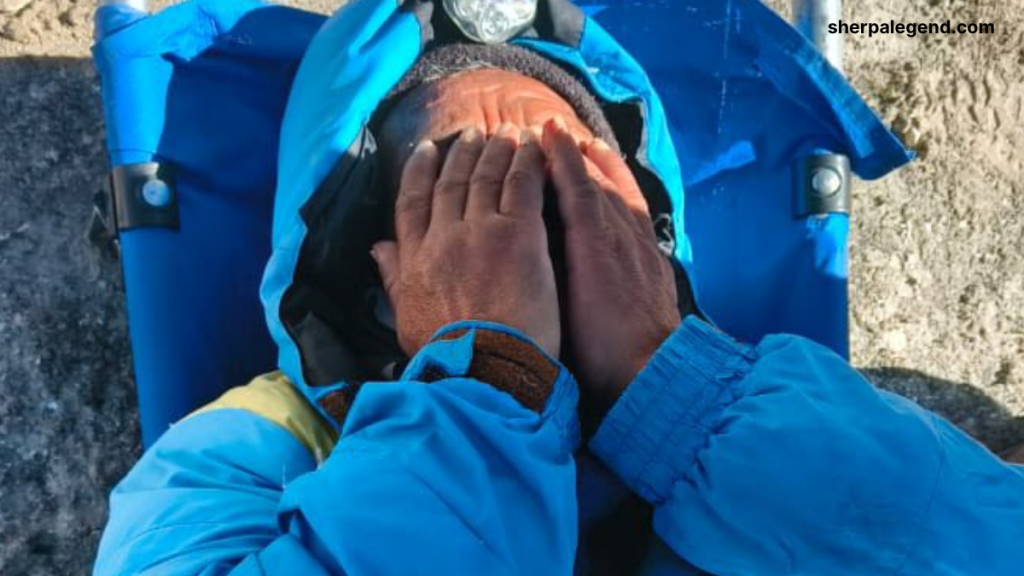
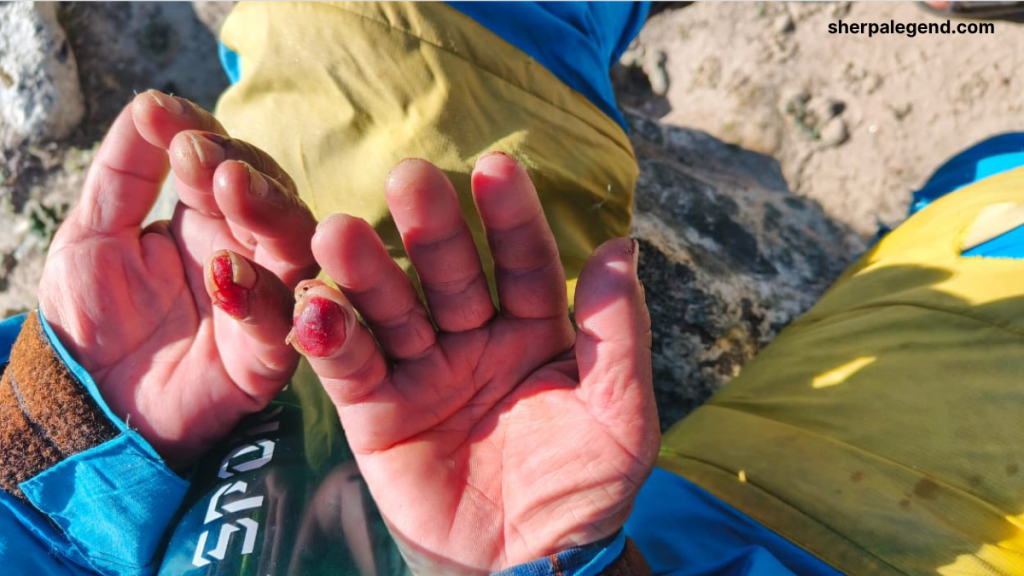
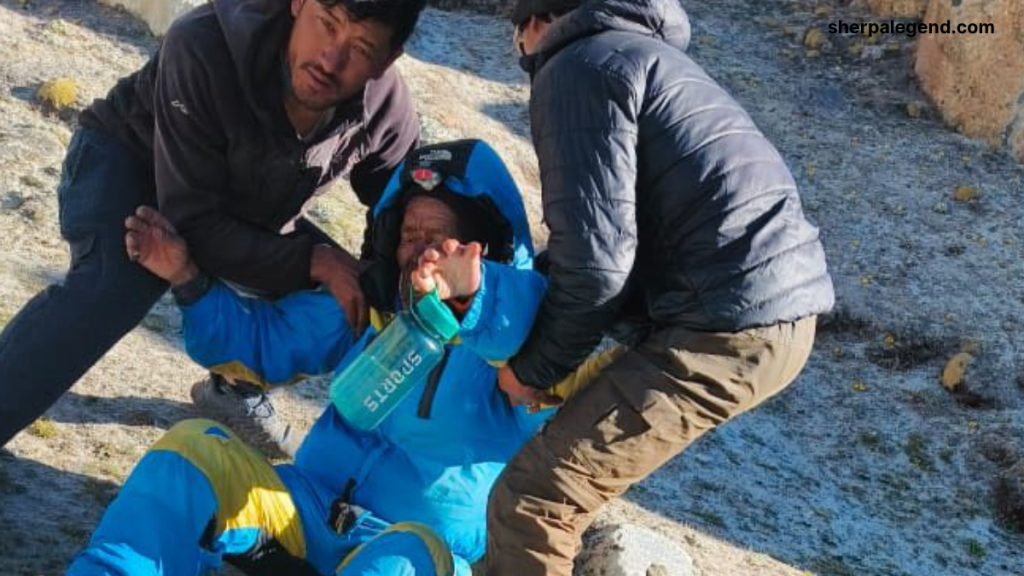
Frostbitten hands. Frostbitten feet. Severely weakened. But alive.
SPCC Executive Director Tshering Sherpa confirmed that Dawa was found crawling toward base camp from the icefall area. Workers reached him immediately, gave him first aid and food, and stabilized his condition. A helicopter rescue was arranged shortly after.
How he survived seven days at altitude without food, without shelter, in the brutal cold of the Himalayan spring remains, for now, a mystery.
It is the kind of survival story that makes even seasoned mountaineers go quiet.
People in the climbing community had one word for it miracle.
Some drew comparisons to Touching the Void, the harrowing true story of climber Joe Simpson, who survived alone and injured on a remote Andean peak against all odds. Dawa Sherpa’s story has that same impossible quality the human body and will pushed far beyond what should be survivable.
A Miracle With a Harder Question Behind It
The joy of Dawa’s survival is real. But the story it sits inside is not a comfortable one.
For decades, Sherpas have been the backbone of Everest. They fix the ropes before any client touches them. They break trail through the Khumbu Icefall statistically the deadliest stretch of the climb.
They carry the oxygen, the tents, the food. They hold their clients steady at 8,000 metres when exhaustion sets in. Without them, the commercial climbing industry that draws hundreds of expeditions to Nepal every year would simply not exist.
Yet when a Sherpa goes missing high on the mountain, the urgency is rarely equal.
Dawa’s rescue came not from a dedicated high-altitude search team, but from pollution control workers who spotted him crawling near base camp. The helicopter searches over the preceding days had found nothing above Camp III. It was fortune and Dawa’s own impossible determination to keep moving that saved his life.
The question that lingers, now that he is safe, is the one the mountaineering world has never fully answered why does it take a miracle for a Sherpa’s survival to become a story?
The Mountain Does Not Distinguish
Everest, in its indifference, makes no distinction between a $100,000-permit client and the man who carries their gear. Both are equally vulnerable above 8,000 metres. Both can be separated from their team, swallowed by a whiteout, or left too weak to descend.
What does distinguish them the resources allocated, the media attention, the institutional urgency is a human choice. A Sherpa life is worth no less than any other life on that mountain.
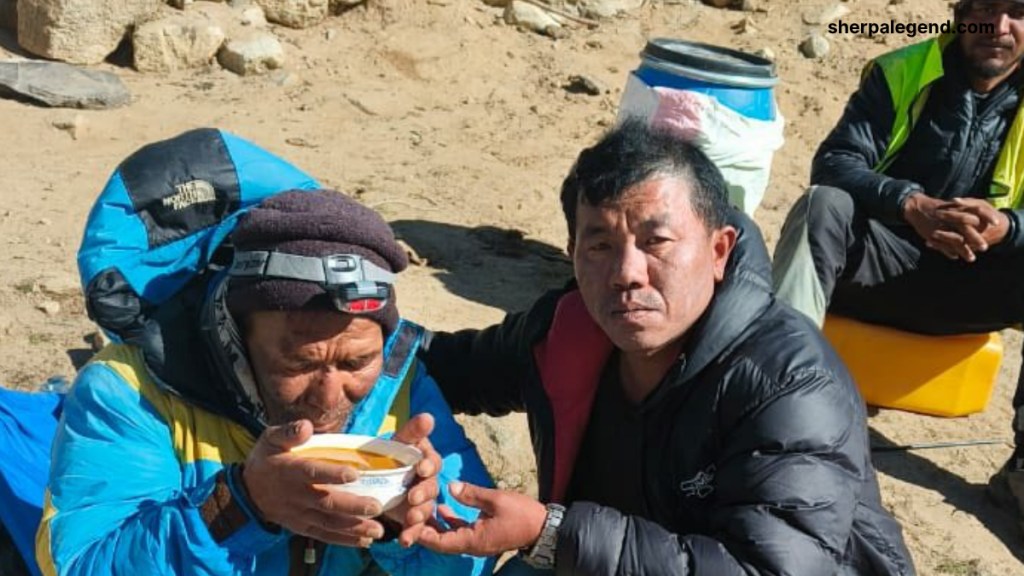
Dawa Sherpa survived. He crawled back. The mountain gave him another chance.
Whether the industry that profits from mountains like his will give Sherpas the equal protection they have always deserved that question is still out in the open, waiting, like a fixed rope above the icefall, for someone to grab it.
Dawa Sherpa is currently receiving medical treatment. His condition is reported as stable.
