
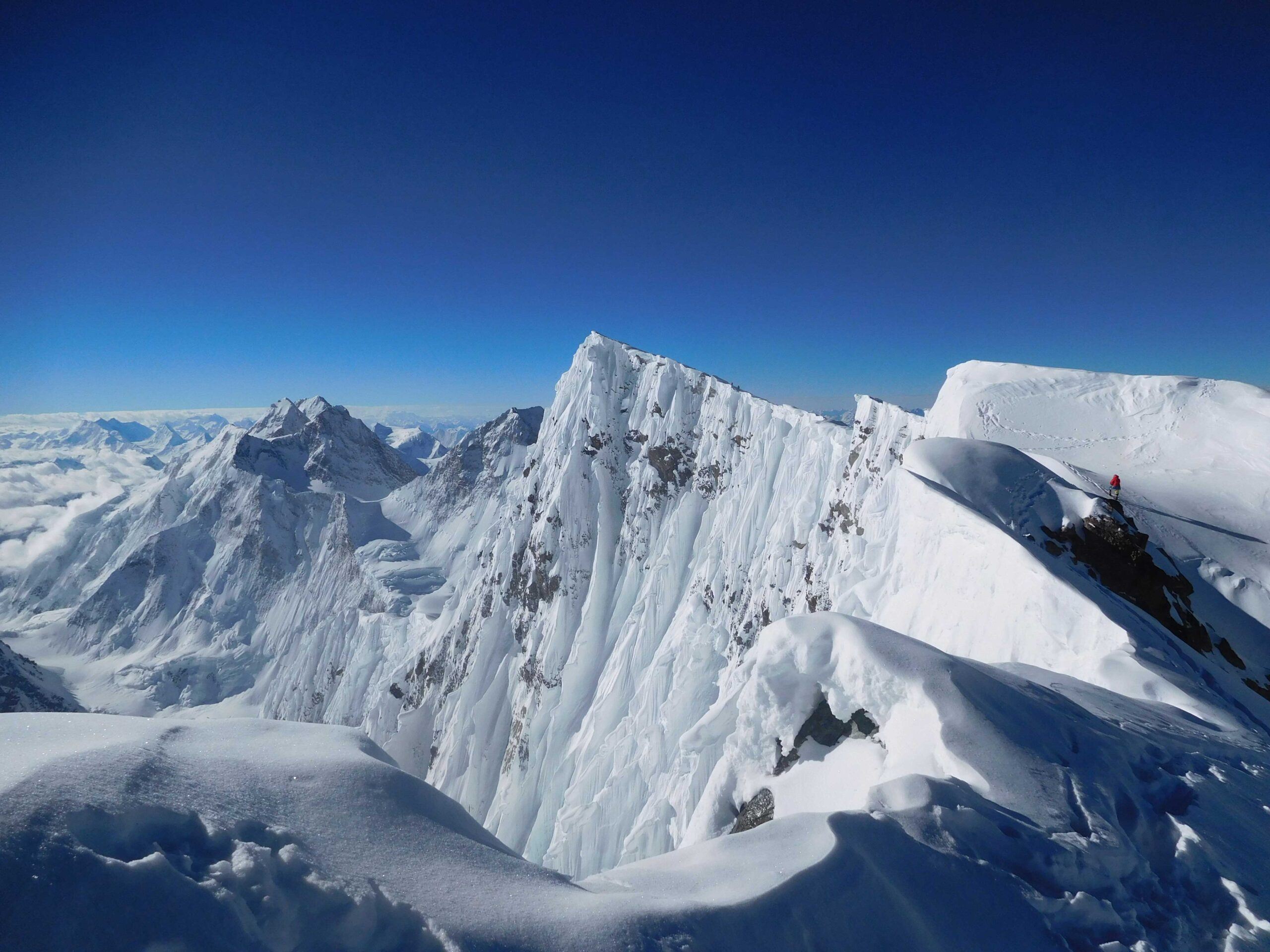

On July 30, 2026, Broad Peak witnessed one of the darkest days in its climbing history when an avalanche swept through a group of climbers between Camp 2 and Camp 3 at around 6,600 metres, taking the lives of 10 people.
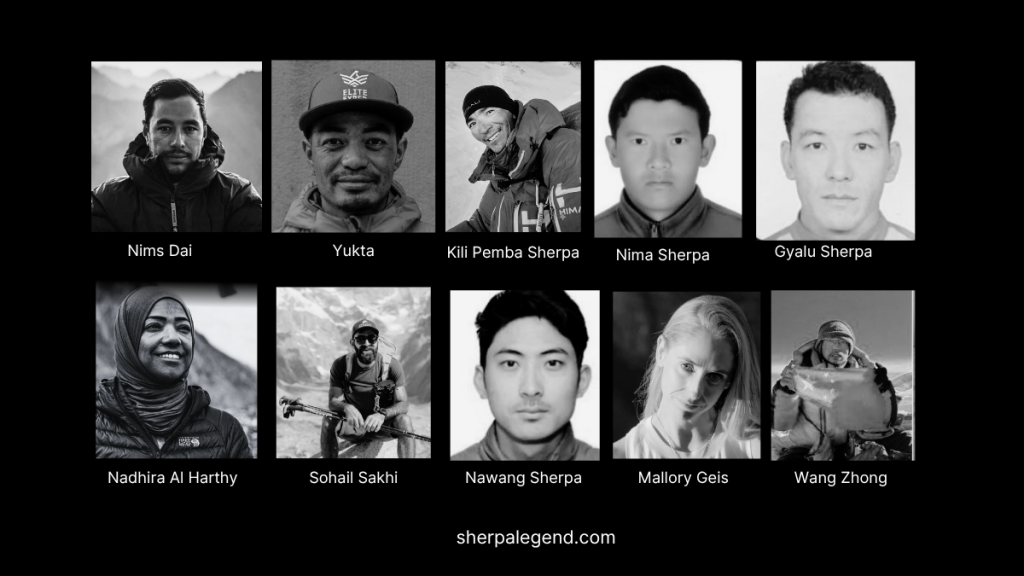
The tragedy, which involved climbers and mountain workers from different teams, has left the international mountaineering community mourning and reflecting on the dangers that remain hidden even on some of the more frequently climbed 8,000-metre peaks.
The July 30 avalanche is regarded as one of the most devastating single incidents in the history of Broad Peak and among the significant tragedies in modern Himalayan and Karakoram mountaineering. The loss of 10 lives in a single incident has deeply affected climbers, guides, Sherpas and the wider mountaineering community.
But for anyone wondering about the mountain where this tragedy occurred, Broad Peak is much more than the scene of an avalanche.
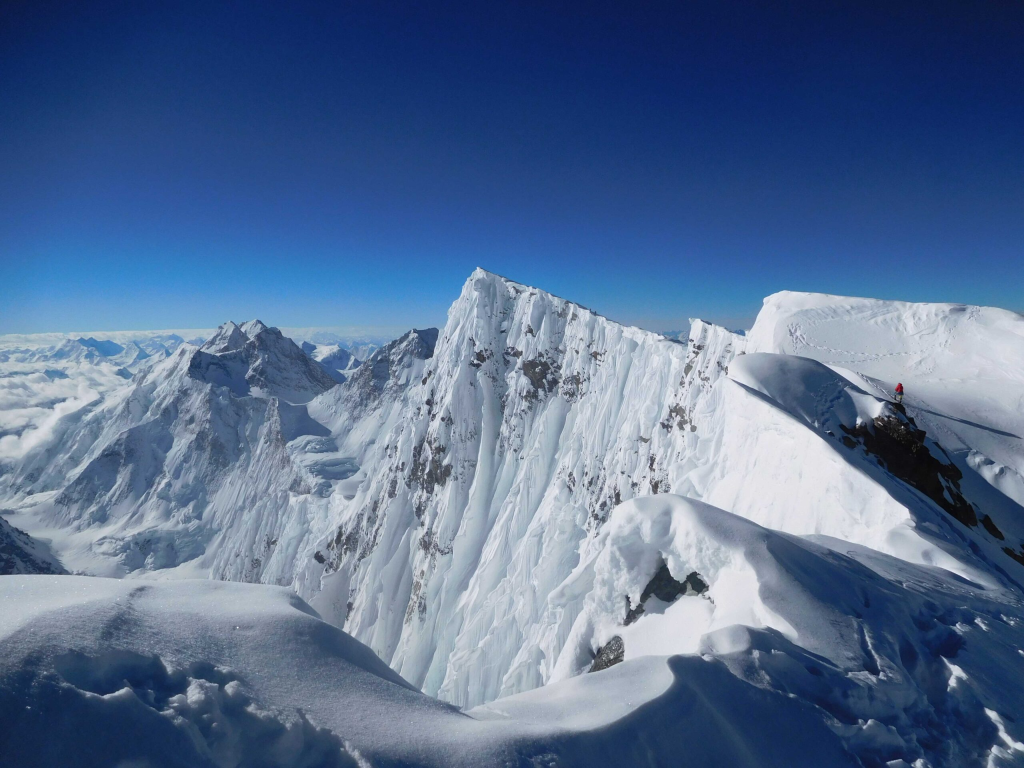
Rising to approximately 8,051 metres, Broad Peak is the world’s 12th-highest mountain, located in Pakistan’s Karakoram range near K2. Its name comes from the mountain’s unusually broad summit ridge, which stretches for roughly 1.5 to 2 kilometres.
British explorer William Martin Conway introduced the English name “Broad Peak” during his 1892 exploration of the Karakoram. The mountain had earlier been identified as K3 during the Great Trigonometrical Survey of India. It is also known locally by the Balti name Falchan Kangri.
Broad Peak’s climbing history began long before modern commercial expeditions. The first serious attempt came in 1954, when a German expedition led by Dr. Karl Herrligkoffer approached the mountain’s southwest side but was forced to retreat because of severe weather and extreme cold.
Three years later, four Austrian climbers—Marcus Schmuck, Fritz Wintersteller, Kurt Diemberger and Hermann Buhl—achieved what became one of the landmark ascents in high-altitude mountaineering. On June 9, 1957, they reached the main summit without supplemental oxygen and without the large-scale high-altitude porter and fixed-rope support that characterized many expeditions of the era.
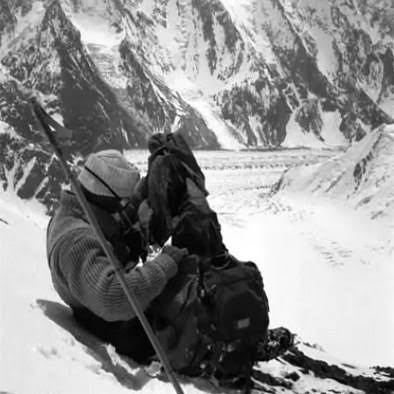
The climb was carried out in a remarkably lightweight, alpine-style manner. On May 29, Wintersteller and Diemberger reached the forepeak, at roughly 8,030 metres, but recognized that the true summit lay farther along the ridge and turned back. On June 9, Schmuck and Wintersteller reached the main summit first, followed later by Diemberger and Buhl.
For Buhl, the achievement was particularly historic. Having made the first ascent of Nanga Parbat in 1953, he became the first climber to make first ascents of two 8,000-metre peaks. Only weeks later, however, Buhl would lose his life on nearby Chogolisa after falling through a cornice while climbing with Diemberger.
Over the decades, Broad Peak became an important chapter in the history of high-altitude climbing. The mountain saw major milestones including the first ascent of Broad Peak Central in 1975, Reinhold Messner’s ascent in 1982, the first female ascent by Krystyna Palmowska in 1983, and the remarkable 1984 traverse of its North, Central and Main summits by Jerzy Kukuczka and Wojciech Kurtyka.
Broad Peak also became the setting for one of the most demanding winter mountaineering achievements. In March 2013, Polish climbers Maciej Berbeka, Adam Bielecki, Tomasz Kowalski and Artur Małek completed the first winter ascent of the main summit. Berbeka and Kowalski, however, lost their lives during the descent.
Despite being considered more accessible than neighbouring K2, Broad Peak is far from an easy mountain. Its long summit ridge, steep terrain, rapidly changing weather, altitude and avalanche-prone sections make every ascent potentially dangerous. The mountain has claimed dozens of lives since expeditions began attempting it.
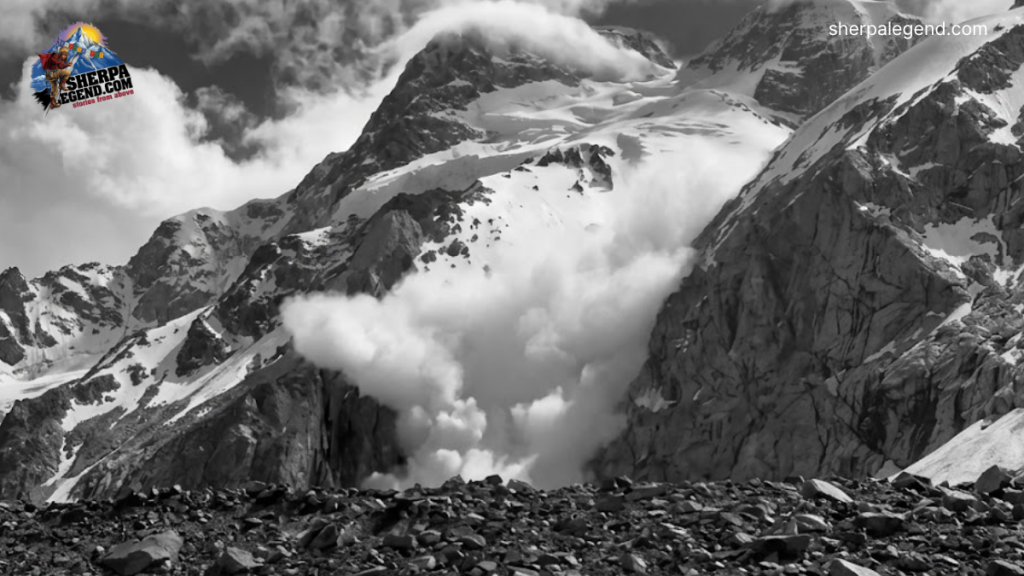
And now, the events of July 30, 2026, have added another painful chapter to that history.
The avalanche struck while climbers were moving between the upper camps, burying members of different teams. Among those lost were renowned mountaineer Nirmal “Nimsdai” Purja, Nadhira Al Harthy, and several Sherpas and mountain guides. The incident brought together the dangers that have always defined Broad Peak: extreme altitude, unstable snow, exposed terrain and the unpredictability of the Karakoram.
For the mountaineering community, the tragedy is still difficult to process.
Broad Peak has always carried a complicated reputation. It is sometimes described as one of the more approachable 8,000ers, particularly compared with K2. Yet its history tells another story. Behind the successful summit photographs and climbing statistics lies a mountain that has repeatedly demonstrated how quickly conditions can turn deadly.
The July 30 avalanche is therefore not simply another accident on an 8,000-metre peak. It has become one of the defining tragedies in Broad Peak’s long climbing history—a reminder that even after decades of experience, improved equipment and modern expedition logistics, the world’s highest mountains remain places where nature ultimately sets the terms.
