
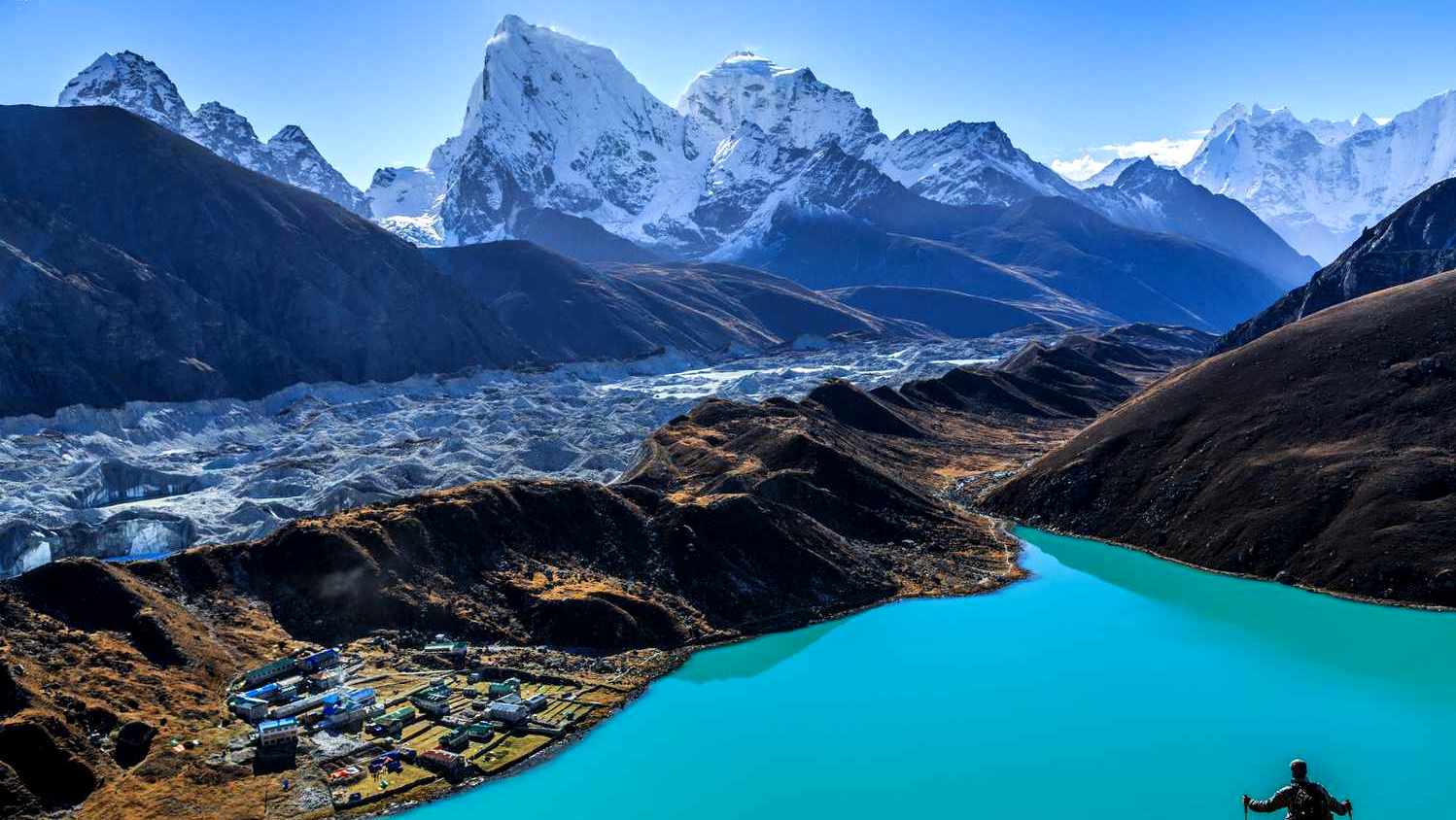

Mountains hold an integral place in Nepalese culture, deeply rooted in the spiritual traditions of Hinduism and Buddhism. Beyond their majestic physical presence, Nepal’s high peaks, including Mount Everest, Annapurna, and Mount Kailash, are regarded as sacred spaces connected to divine forces. These peaks serve as not just destinations for adventurers but also as symbols of spiritual reverence and ecological balance.
In Hindu and Buddhist traditions, the Himalayas are often referred to as Meru by Hindus and Sumeru by Buddhists. They are envisioned as the divine axis that connects the heavens, the earth, and the underworld. This profound connection underscores the cultural narrative that these mountains are not mere geological structures but vital elements of the cosmic order.
Spiritual Reverence and Environmental Responsibility
The Sherpa community, who have lived for generations under the shadow of the mighty Himalayas, view the mountains as guardians and deities. Many peaks are considered sacred and off-limits, with strict cultural taboos against desecration. Violating these traditions, such as climbing restricted peaks, is believed to invoke ‘La-duk,’ a form of mountain sickness attributed to the wrath of the gods.
These ancient beliefs resonate with modern environmental concerns. The reverence for mountains as divine entities aligns with the principles of protecting nature. The Sherpas, for instance, consider it their duty to preserve the pristine state of these sacred spaces, a perspective that mirrors the global urgency to combat climate change and protect fragile ecosystems.
Mountains, Climate Change, and Ancient Wisdom
The Himalayas are not just cultural landmarks but also vital to the Earth’s climate system. They serve as a critical water source for millions, feeding rivers like the Ganges, Brahmaputra, and Indus. However, rising global temperatures have caused glaciers to retreat, leading to unpredictable weather patterns and glacial lake outburst floods (GLOFs). Recent disasters in Nepal, such as the glacial flood in the Thame Valley, underscore the vulnerability of mountain ecosystems to climate change.
Ancient religious beliefs often emphasized living in harmony with nature. For example:
- The Annapurna Range, named after the Hindu goddess Annapurna, symbolizes nourishment and abundance. The goddess is revered as a provider of food, teaching communities the importance of sustaining the environment to ensure continuous abundance.
- The Ganesh Himal trek, which passes sacred sites like Parvati Kunda and Tripurasundari Temple, reflects the belief in spiritual cleansing and blessings derived from nature’s purity. These traditions inherently advocate for the preservation of natural resources.
Mount Everest, known as Chomolungma in Tibetan, is revered as the “Mother Goddess of the World.” For Buddhists, its presence represents peace and spirituality. Before climbing Everest, Sherpas and climbers perform a puja ceremony, seeking blessings from the mountain and pledging respect for its sanctity.
This practice highlights an intrinsic respect for nature that modern society can emulate. As Everest faces challenges from increased tourism, waste accumulation, and climate change, the Sherpas’ traditional ceremonies remind us of the need to treat nature as a living, sacred entity deserving protection.
Cultural Beliefs as Modern Climate Solutions
Nepal’s ancient spiritual values offer a framework for addressing contemporary climate challenges. The belief in mountains as sacred spaces calls for mindful interaction with the environment. These traditions emphasize balance, humility, and respect—qualities essential for sustainable living.
Integrating these cultural principles with modern science can help inspire global efforts to combat climate change. For instance, promoting sustainable tourism, reducing waste in mountain regions, and conserving glacial ecosystems align with the teachings embedded in Nepalese spiritual traditions.
The mountains of Nepal, steeped in religious significance, are not just symbols of cultural identity but also custodians of ecological balance. By revisiting the ancient wisdom of respecting nature and intertwining it with modern climate strategies, we can ensure that these sacred peaks continue to inspire, nourish, and sustain future generations.
