

He grew up in Phaktalung, a remote village in eastern Nepal, watching the distant peaks pierce the sky. His family were farmers. No one in his world climbed mountains for a living.
That changed in 2007, when an 18-year-old Mingma David Sherpa was stranded in Kathmandu. The Madhesh movement had closed the roads back to his home in Taplejung for three months. He needed money. He found a job as a porter on the Annapurna Trek.
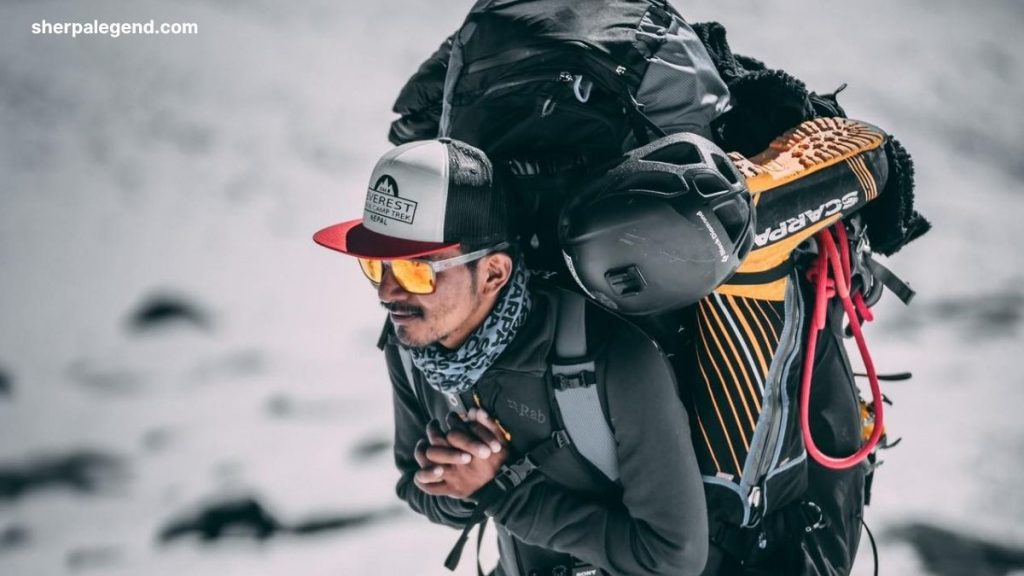
“What joy! What peace! What respect!” he would later recall of his first time in the mountains.
That accidental beginning set off one of the most remarkable careers in Nepalese mountaineering history.
A Climber Like Few Others
By 2025, Mingma David had stood on the summit of Mount Everest nine times first in 2010, then in 2011, 2012, 2013, 2017, 2018, 2021, 2023, and again in 2025.
But Everest was only part of the story. He had summited all 14 of the world’s 8,000-metre peaks by the age of 30, making him the youngest person to ever do so a Guinness World Record. He summited K2 six times and holds the speed record for K2 at 14 hours and 22 minutes. He was part of the historic first winter ascent of K2 in 2021, a feat that had eluded mountaineers for three decades. He completed the fastest combined ascent of K2 and Everest in just 61 days. In total, he has 35 summits of 8,000-metre peaks.
He also holds the prestigious Piolet d’Or award mountaineering’s highest honour.
Until the spring of 2025, this was who Mingma David Sherpa was a record-holding mountaineer, an elite expedition guide through his company Elite Exped, and one of the most recognised faces in Himalayan climbing.
Then everything changed.
The Gen Z Wave That Changed Nepal
Nepal’s Gen Z movement shook the country’s political landscape. Young people took to the streets demanding accountability, change, and new faces in power. Out of that wave came fresh candidates people from outside the old political order.
Mingma David Sherpa, who had spent years advocating for the mountains, for the rights of mountain workers, for rescue systems and environmental protection, stepped into that moment. He joined the Rastriya Swatantra Party (RSP) and stood for election under the indigenous tribal quota.
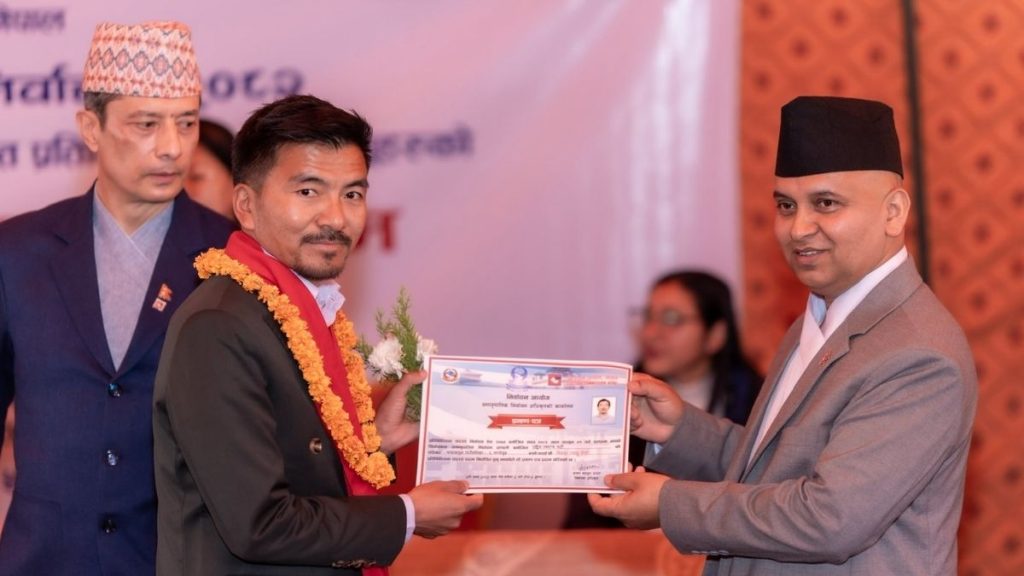
He became member of House of Representatives .
The climber became a lawmaker. The man who had spent his career on the world’s highest peaks now sits in Nepal’s House of Representatives. His focus remains the same as it always has been — the mountains, the people who depend on them, and the policies that govern them.
“Mountaineering is viewed as a sport by some countries. In many countries of the world, mountaineers are considered athletes. However, in Nepal, they are like workers,” he has said. “If they are workers, the government should set a minimum wage.”
He has called for proper rescue teams, better waste management on the mountains, and coordinated action between government, agencies, and the private sector to realise Nepal’s potential as a mountaineering destination.
Now he has a seat at the table to push for those changes.
A Historic Summit Push
And yet the mountains still call.
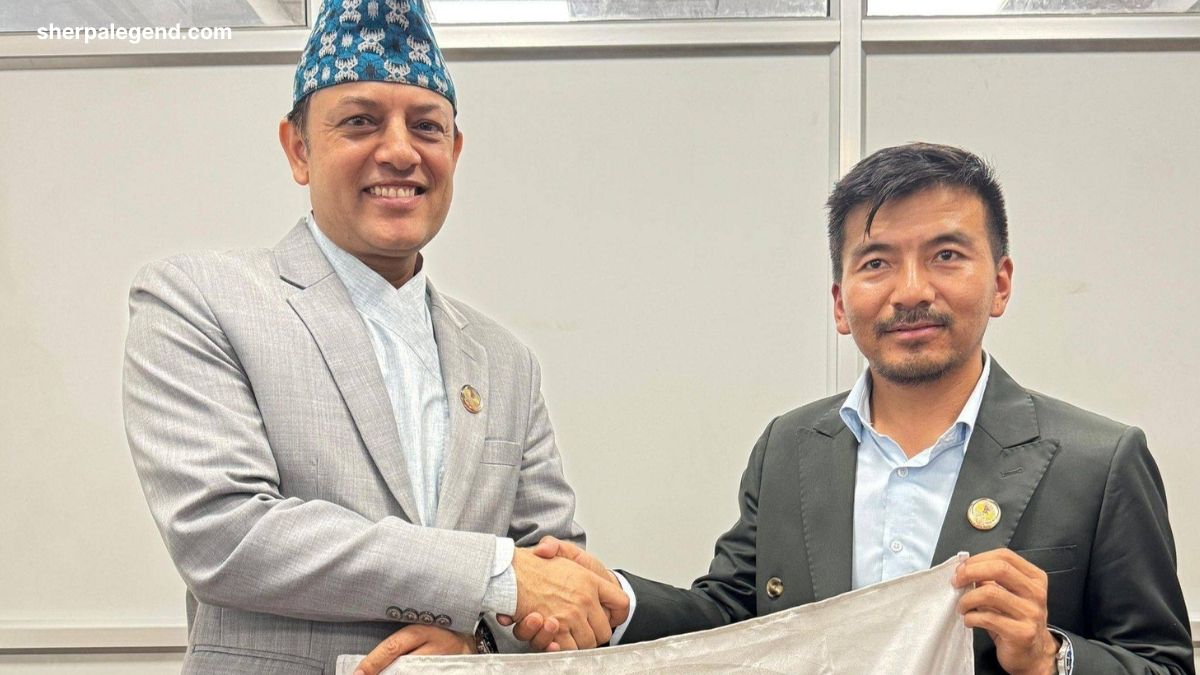
Mingma David has now travelled from Kathmandu to Everest Base Camp for a summit push. Before leaving, he met with the Speaker of the House of Representatives.
The reason is historic.
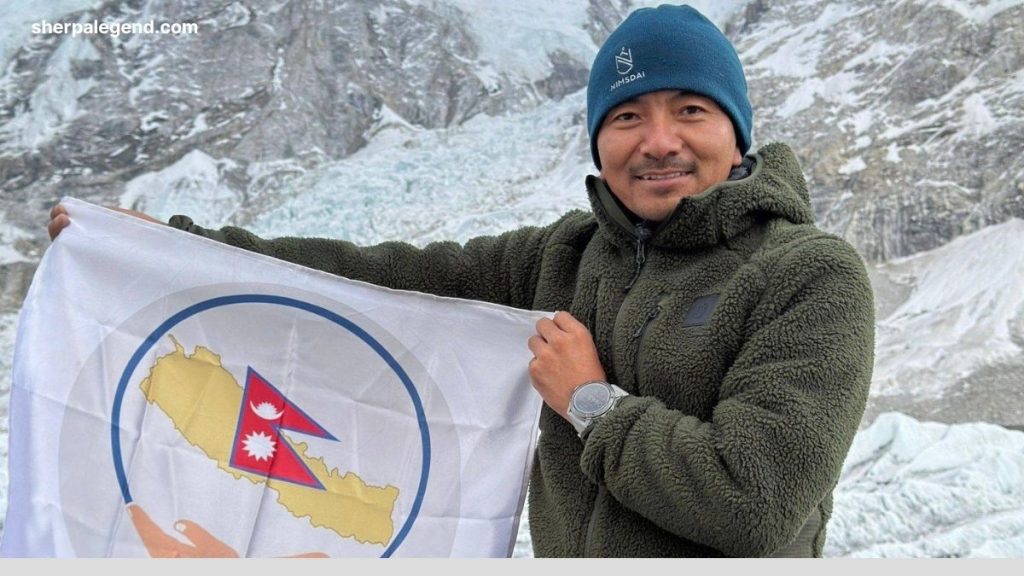
This will be his 10th summit of Everest. For the first time in Nepal’s history, the flag of the House of Representatives will be carried to the top of the world. No elected Member of Parliament has ever summited Everest. Mingma David Sherpa is set to become the first.
The man who began as a porter stranded in Kathmandu who lost his mentor in an avalanche, who built rescue teams, broke records, guided clients up the hardest mountains on earth, and then answered a country’s call for change is now climbing again. Not just for himself, not just for records.
This time, he carries a flag.
