
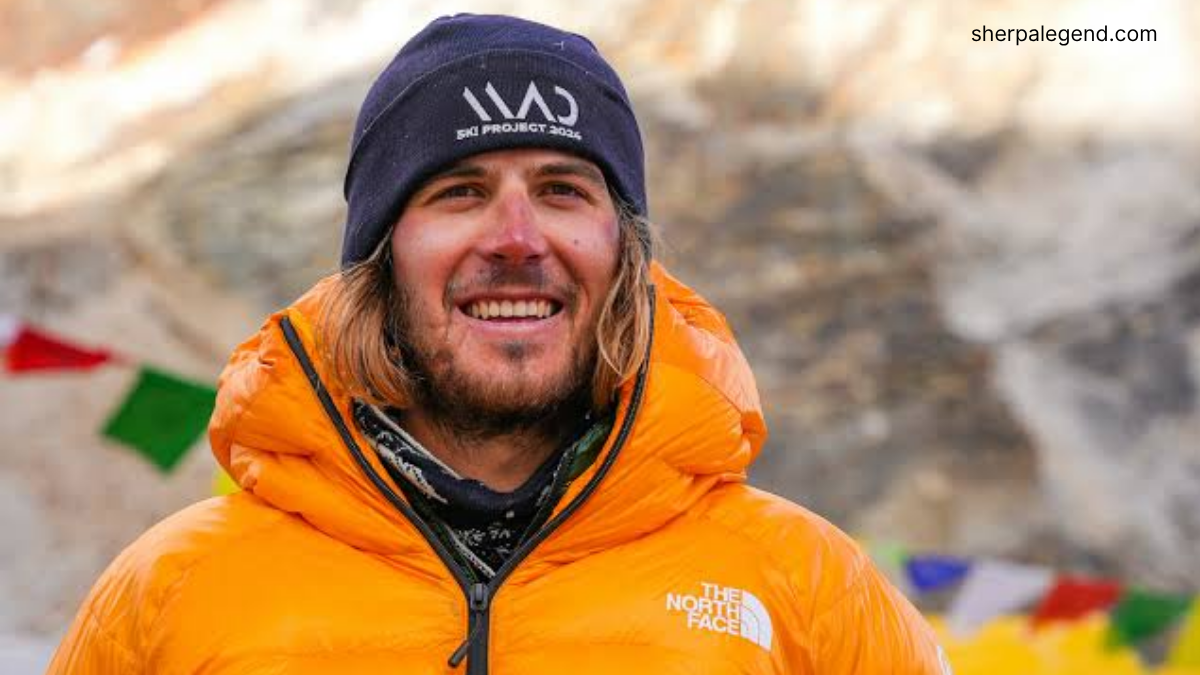

There is a man at Everest Base Camp who does not look like a famous mountaineer. His ski pants are patched with duct tape. His hair is long and blond-streaked. He carries his own gear and talks to almost no one outside his small circle.
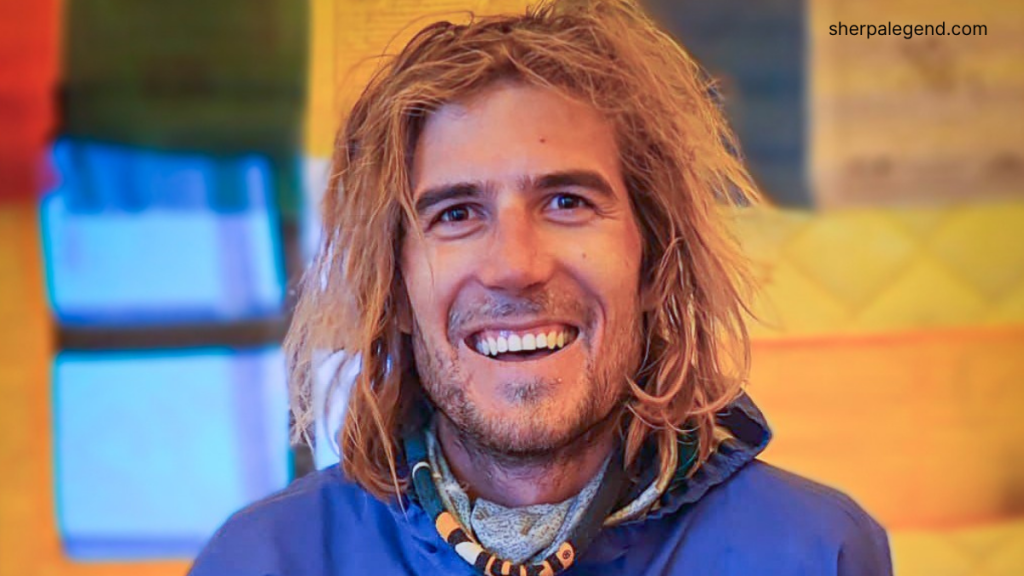
His name is Bartek Ziemski, full name Bartosz Kacper Ziemski, and in the spring of 2026 he quietly pulled off one of the most impressive ski-mountaineering feats in recent memory without a single sponsor, a film crew, or a social media post to announce it.
Ziemski is Polish. He is a ski mountaineer, a software engineer who is often described as unemployed or simply living a very simple life, and an adventurer. He is known for one thing above all: a low-key, self-sufficient style of climbing and skiing the world’s highest mountains that sets him apart from almost everyone else in the sport.
A Simple Life, Lived on the Road
Ziemski is in his mid-30s, with various 2026 reports placing him anywhere between 31 and 37. He lives a minimalist, van-life existence. He has no major sponsors. He avoids social media. He does not chase publicity or self-promotion, which makes him unusual in a sport that is increasingly built around sponsored athletes and heavy online presence.
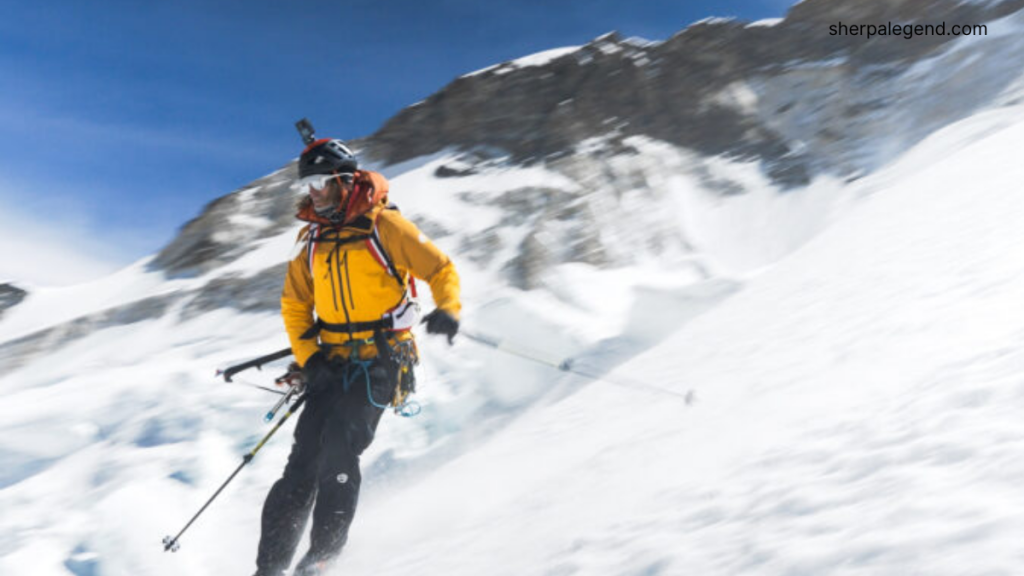
He has described himself in his own words as someone who is “not a mountaineer at all,” and says he climbs simply “for fun.” It is a strange thing to hear from a man who has skied down some of the most dangerous mountains on Earth, but it captures who he is. There is no grand mission statement, no brand to build. Just the mountains, and his skis.
His approach matches his words. It is old-school and understated. He often climbs solo or with very little support. He carries his own equipment skis, tent, supplies on his own back. He does not use supplemental oxygen. His focus is on personal adventure, not on fame or chasing records. At Base Camp, people remember him for his casual demeanor as much as for his climbing résumé.
Nine Peaks Without Oxygen
In just about five years, Ziemski has climbed and skied nine of the world’s 14 eight-thousanders mountains over 8,000 meters tall all without supplemental oxygen. That kind of progress, at that pace, places him among the leading figures in ski descents of the world’s highest peaks.
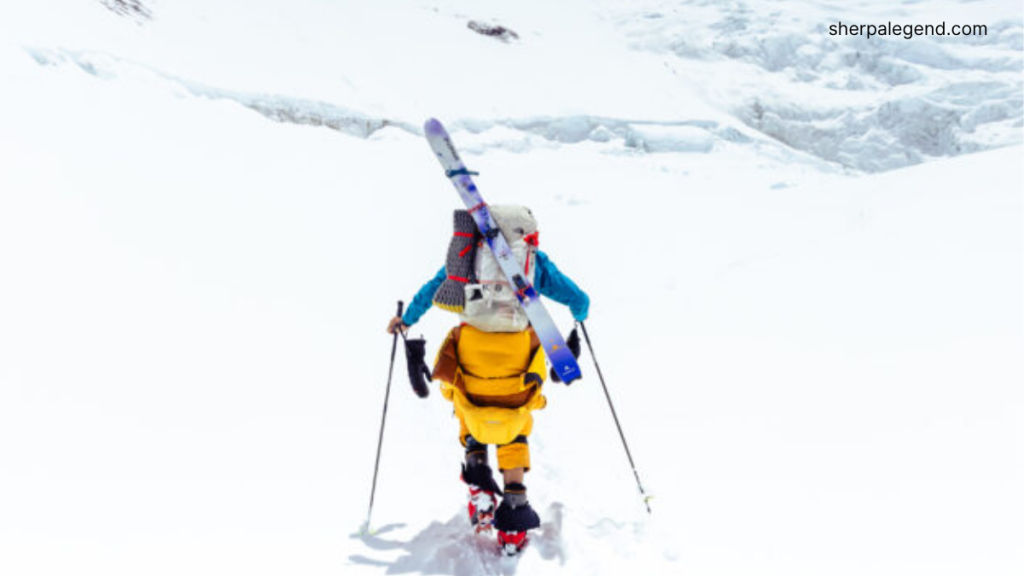
His timeline reads like a list of the hardest mountains on the planet. In 2022, he climbed and skied Broad Peak and Gasherbrum II. In 2023, he added Annapurna and Dhaulagiri, and on Annapurna he also helped rescue an injured climber. In 2024, he completed Kangchenjunga with the first full ski descent of that mountain, along with Makalu and Manaslu.
Then came 2026, the season that turned him into one of the standout stories of the year, even if most people never heard his name.
Lhotse, Then Everest, One Week Apart
In May 2026, Ziemski made the first summit of the season on Lhotse. He broke trail himself, in places where there were no fixed ropes laid out yet. From the top, he skied the steep and demanding Lhotse Face, then continued all the way through the dangerous Khumbu Icefall down to Base Camp without oxygen. It was the first complete no-oxygen ski descent of Lhotse ever recorded.
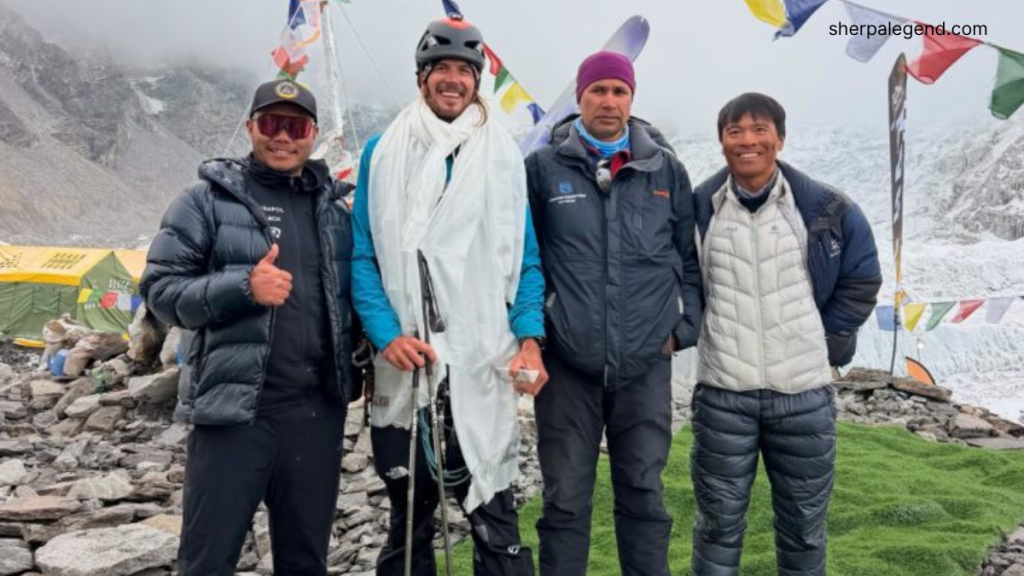
One week later, he did it again, this time on Everest. He summited without oxygen and without personal Sherpa support, then skied nonstop back down to Base Camp in about five and a half hours. The achievement made him only the second person ever to ski Everest without supplemental oxygen, after fellow Pole Andrzej Bargiel. It also gave him a rare distinction: the first person to complete a double Lhotse-Everest ski descent in one season, done in this same self-sufficient style.
He has also skied steep, technical lines in remote regions like Pakistan, where he has spoken about experiencing true solitude in the mountains. The 8,000-meter peaks he has not yet climbed and skied include Cho Oyu, Shishapangma, Gasherbrum I, Nanga Parbat, and K2.
Why He Stands Apart
Several things separate Ziemski from the rest of modern high-altitude mountaineering.
First is his anti-commercial ethos. He has no sponsors, no social media presence, and no big film crews or drones following him. He simply slips out for his climbs and lets the skiing speak for itself.
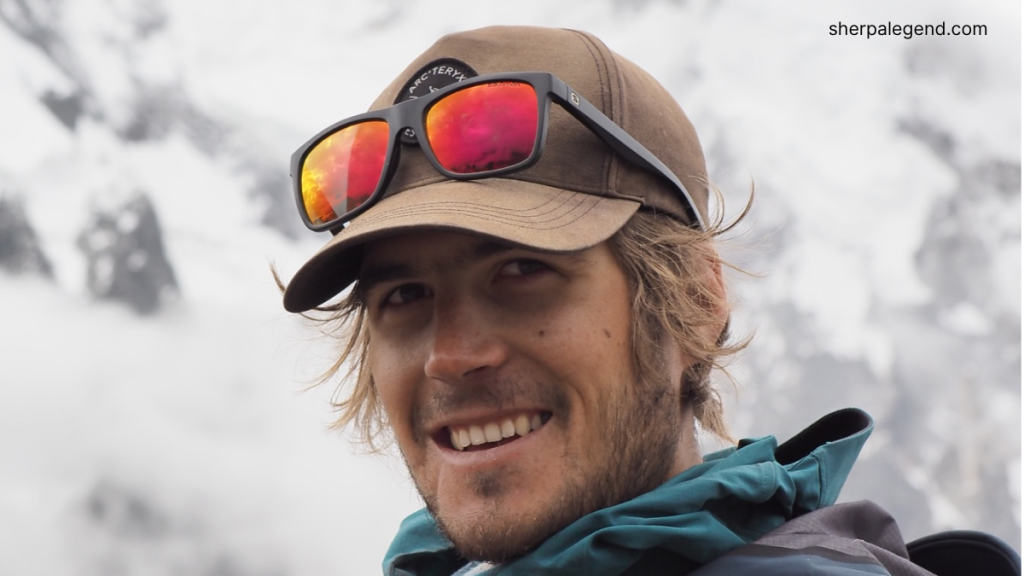
Second is his self-sufficiency and purity of style. He carries his own loads, usually climbs without personal Sherpas or heavy logistical support, and avoids oxygen even on a crowded, dangerous mountain like Everest a bold and genuinely risky way to climb.
Third, he carries on a Polish climbing tradition, following the path of strong, adventure-focused Polish alpinists who have long valued real achievement over publicity.
Fourth is his humility and fun-first mindset. Despite accomplishing what most climbers would call historic feats, he comes across as nonchalant and even uncomfortable with attention. He seems driven by enjoyment and by the remoteness of the mountains themselves, rather than by records or glory.
Finally, there is his sheer versatility and speed moving rapidly across some of the hardest peaks in the world, often on first attempts, while skiing extreme terrain like steep couloirs, ice, and dangerous icefalls with real skill.
The Underrated Story of the 2026 Season
The 2026 Everest season was dominated by different record crowds with more than 1,000 total summits, and a string of mainstream stories. In the middle of all that noise, Ziemski operated almost entirely under the radar.
He climbed and skied both Lhotse, on May 12, and Everest, on May 19, without supplemental oxygen or Sherpa support, in the same season hauling his own gear, acclimatizing on his own, and skiing nonstop back to Base Camp both times. This included the first no-oxygen ski descent of Lhotse and one of the very few no-oxygen ski descents of Everest ever completed, the second at the time it happened. His full descent of Everest, from summit to Base Camp, took under five and a half hours, done amid crowds and difficult winds.
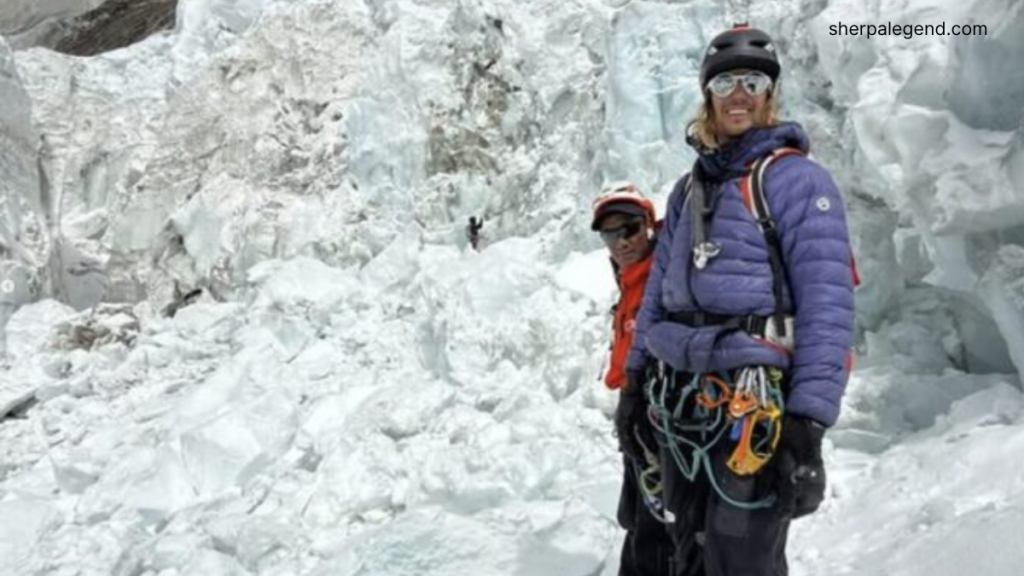
He has quietly skied nine of the 8,000-meter peaks without oxygen in recent years, all while living a van-life existence with little to no sponsorship or social media presence. People who have crossed paths with him describe him as genuinely low-key no big Instagram following, no heavy promotion, just a focus on pure ski-mountaineering rather than fame. At one point, he even called Everest “not interesting” or “not sexy” anymore, even as he was delivering one of the purest and most demanding feats of the entire season.
In a sport that is increasingly built on sponsorships, drone footage, and online attention, Bartek Ziemski is a throwback. A skilled, low-profile athlete, quietly pushing the limits of what is possible on skis at extreme altitude and doing it, by his own account, simply for fun.

Conscious gaming is a system that facilitates players to retain management over their gaming behaviour while acknowledging the inherent risks.
https://bookmarks.balmain1.ru/VERQ5oyou04V/