

As one generation of Sherpas; steps back from the mountaineering, it remains unclear who will guide climbers to the top of the world’s highest peaks.
Mount Everest, the world’s highest peak and other peaks may face a critical shortage of guides in the coming decade, according to warnings from experienced Sherpa climbers.
These local experts, who have long been essential to mountaineering expeditions, are increasingly turning away from the dangerous profession and discouraging their children from following in their footsteps.
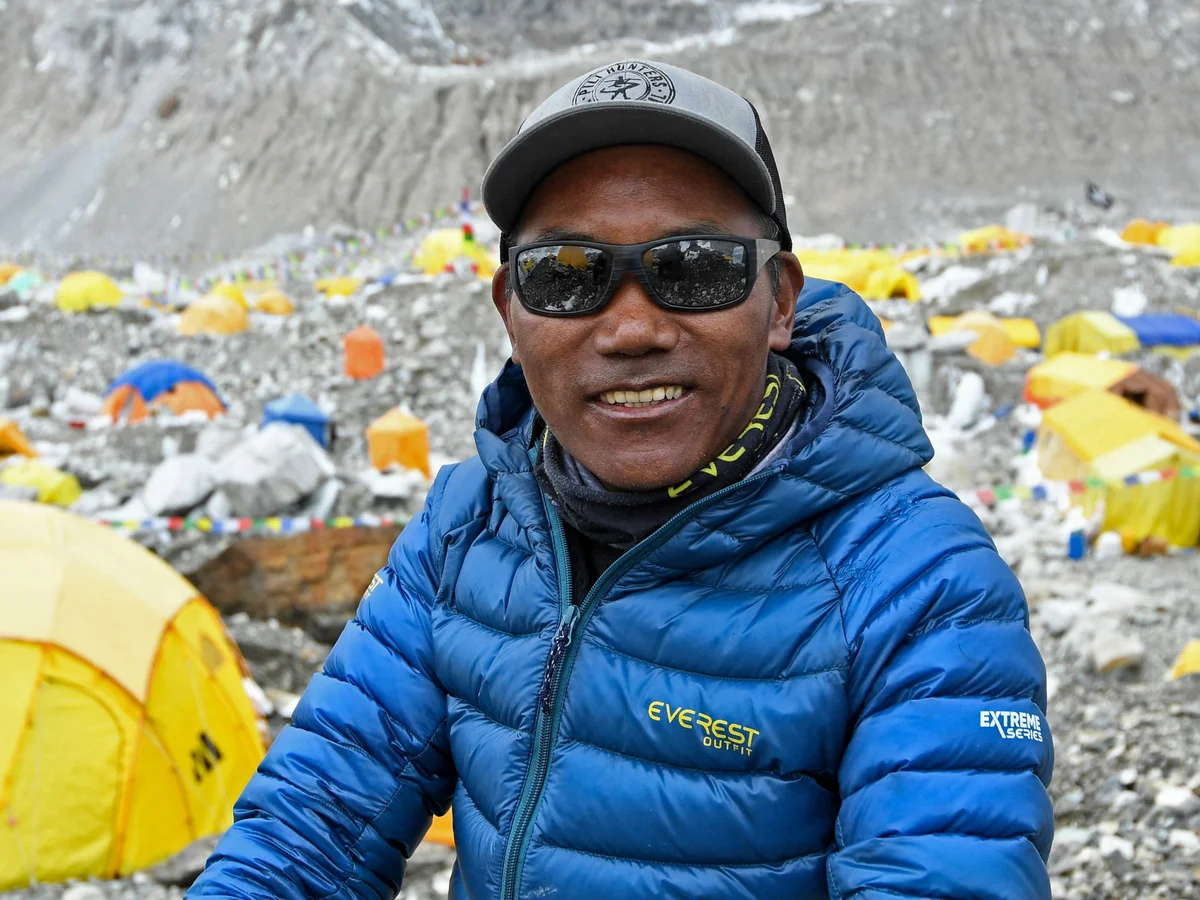
Kami Rita Sherpa, who holds the record for most Everest summits, made a startling prediction: “There will not be any Sherpas left on the mountain in 10 years. “This grim forecast stems from a combination of deadly risks, inadequate pay, and changing aspirations among Sherpa communities.
The dangers of guiding on Everest are well-known.
In 2023, the mountain saw its deadliest year yet, with 332 deaths. Sherpas face a disproportionate share of these risks, accounting for nearly one-third of all Everest fatalities over the past century.
While top guides can earn up to $10,000 per climb, this income must stretch across the entire year due to the short climbing season. Many Sherpas now view jobs in construction or transportation as more stable alternatives.
Perhaps most telling is the shift within Sherpa families themselves. Kami Rita Sherpa, rather than encouraging his son to follow tradition, took him to the base of Everest to warn him away from the profession. “It’s a struggle, look at me,” he told his son. “I see no future.”
Kaji Sherpa, who survived a deadly avalanche in 2014, express this sentiment. Now working as a security guard for a local hydropower project, he stated, “I won’t suggest my hard raised children go to the mountains and continue the same risky mountain guide jobs.”
Many Sherpas are now pursuing education and jobs in Kathmandu, Nepal’s capital, or moving abroad. Thousands have relocated to the United States, Europe, and Australia.
Dawa Steven Sherpa, an expedition organizer, notes, “They don’t return to climb mountains or even go back to their villages. So, you don’t find a lot of Sherpas in Khumbu. Many of them are in Colorado, New York, Austria, Switzerland.”
This trend is exemplified by Apa Sherpa, a former record holder for Everest summits, who moved his family to Utah in 2006. His son, Tenzing Sherpa, now an accountant at a biotech firm, explains, “It’s all for education. Both my dad and mom were deprived of education, so he worked hard in the mountains.”
The lack of a safety net for guides and their families is a significant concern. While insurance policies have improved, they offer limited support in case of death or injury. A government welfare fund promised after the 2014 disaster has yet to materialize.
As more Sherpas pursue education and careers away from the mountains, expedition organizers are noticing the shift. Some Sherpa communities, once the backbone of Everest expeditions, are seeing their numbers in the climbing industry dwindle.
This trend raises questions about the future of mountain expeditions. As one generation of Sherpas steps back from the mountain, it remains unclear who will step forward to guide climbers to the mountains.
