
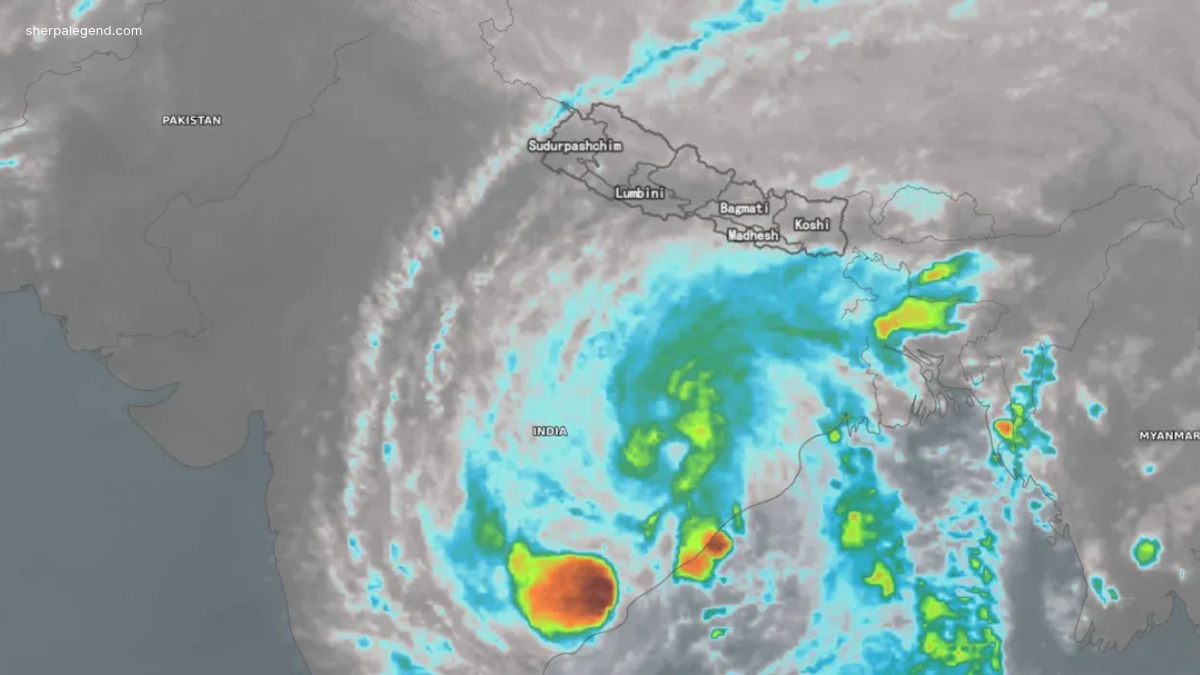

Twelve years ago, in October 2014, the Himalayas witnessed one of Nepal’s deadliest trekking disasters. Cyclone Hudhud, which struck India’s eastern coast, carried enormous moisture toward Nepal, triggering devastating snowfall, blizzards and avalanches across the Annapurna region and surrounding Himalayan districts.
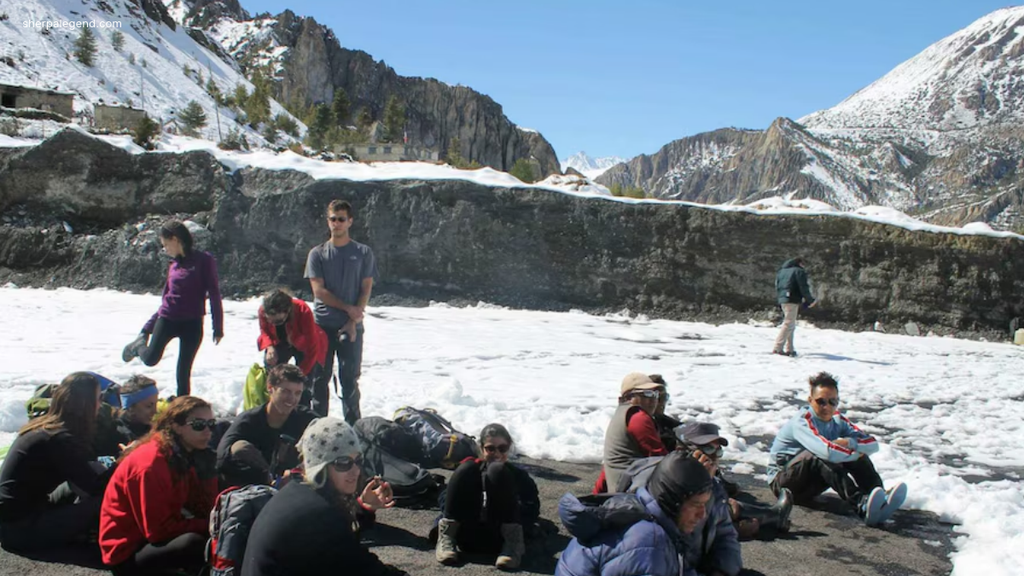
At least 43 people lost their lives, including trekkers, guides, porters and local residents. Hundreds were stranded, and 518 people were eventually rescued. The Annapurna Circuit, particularly the Thorong La Pass connecting Manang and Mustang, became the centre of a tragedy that shocked the mountaineering world.
Now, twelve years later, another Bay of Bengal cyclone, Arnab, is raising similar concerns.
The Threat of Cyclone Arnab
According to Nepal’s Department of Hydrology and Meteorology (DHM), Cyclone Arnab made landfall in India on October 28 and has since weakened. However, its moisture-laden remnants are expected to affect Nepal from October 29 to 31.
The National Disaster Risk Reduction and Management Authority (NDRRMA) has warned of heavy rainfall, snowfall, strong winds, snowstorms and possible avalanches, particularly in high-altitude regions.

Koshi, Madhesh, Bagmati, Gandaki and Lumbini provinces are expected to experience significant precipitation, with risks also extending into Karnali and Sudurpaschim.
The Department of Tourism has advised against high-altitude trekking and mountaineering from October 28 to November 1.
While Arnab’s impact cannot yet be compared in severity with Hudhud, the atmospheric mechanism is concerning: moisture from a tropical cyclone interacting with colder upper-atmospheric systems can produce dangerous Himalayan snowfall.
We cannot prevent the storm. But we can prevent many of the deaths that might otherwise follow.
Lessons from the 2014 Annapurna Tragedy
When Hudhud’s remnants reached Nepal on October 14, 2014, more than a metre of snow fell in some Himalayan areas, according to NASA.
Trekkers navigating Thorong La, at 5,416 metres, faced freezing temperatures, whiteouts and avalanches. Some became disoriented, while others succumbed to hypothermia and exhaustion.
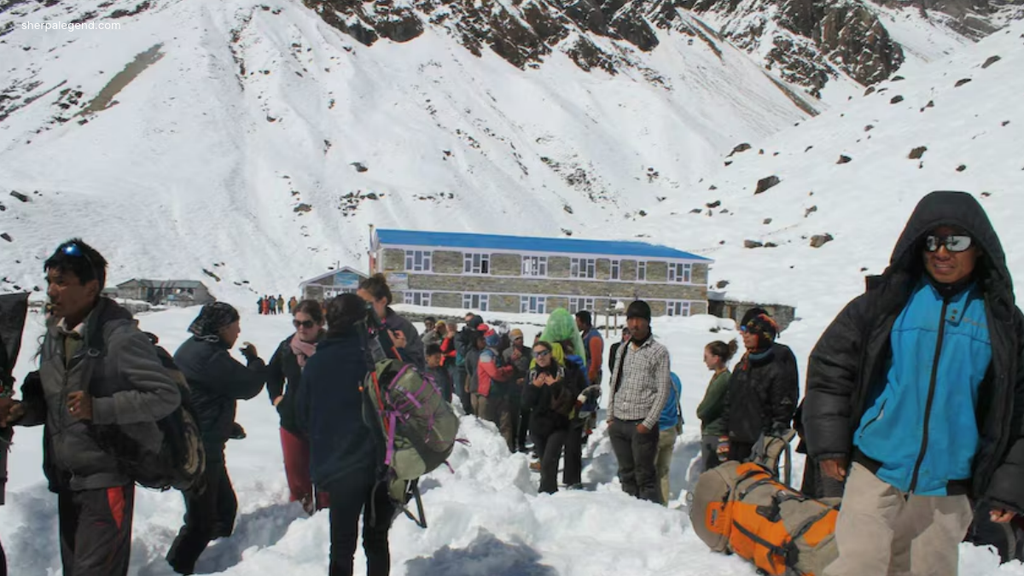
The disaster revealed serious weaknesses in early-warning communication, emergency preparedness and access to mountain shelters.
But the victims were not exclusively foreign trekkers. Nepali guides, porters and local herders also suffered.
The lesson is simple mountain communities must be included in every disaster warning and rescue plan.
To all adventurers, trekkers and everyone who walks these trails we must keep ourselves updated and follow the weather forecast. We have already seen in the past that the weather is what takes lives in the mountains. A trail you know well can become deadly very fast.
This time, warnings have come early. The Nepal government and its agencies have given advisories, and trekking agencies have been told to act. Many victims of Hudhud never got this chance. Please use it. Check the forecast every day, listen to local officials, and ask your guide or lodge owner before you move.
No summit, no itinerary and no booking is worth a human life. The mountains have stood for millions of years, and they will still be there when the storm is over.
What you can do
- Stop non-essential travel. Postpone your trek, climb or high-pass crossing until the warning ends. If you are already up in the mountains, go to a safe lodge or village now, before the weather turns, and follow local instructions.
- Keep survival items ready. Warm and waterproof clothes, blankets, rope, headlamp, whistle, charged phone and power bank, water, food and your medicines. A plastic sheet can cut some wind, but it is not a shelter.
- Know the signs of hypothermia. Shivering you cannot control, confusion, slurred speech and strange sleepiness are danger signs. This is what killed people on Thorong La in 2014. Take the person indoors, remove wet clothes, keep them off the cold ground and warm their chest gently. Get medical help fast. Never give alcohol.
- Look after others. Check on elderly people, children, families living alone, porters and seasonal workers. Pass the warning on through lodges, radio and community groups. In 2014, guides, porters and herders died too.
- Do not turn one emergency into two. Do not enter avalanche paths, unstable slopes or fast rivers to save someone. Check the danger first and call trained rescuers.
Protect the animals
Bring animals to safety before the storm arrives. Check their shelters and roofs, and keep enough food and water. Keep yaks, dogs, mules and other animals close, and never leave them chained, stuck or out in the open. Check on them often and help your neighbours protect theirs. Animals cannot understand a weather warning, so their lives depend on us.
If you are on the way, stay safe
If you are on the trail right now, please stay safe. Stop at the nearest safe lodge, do not push on to reach a pass, and do not take risks to keep to your plan. Let the storm pass, then walk again.
