

The Federation President Putting Kyrgyzstan on World Mountaineering Map Summits K2 Without Supplemental Oxygen
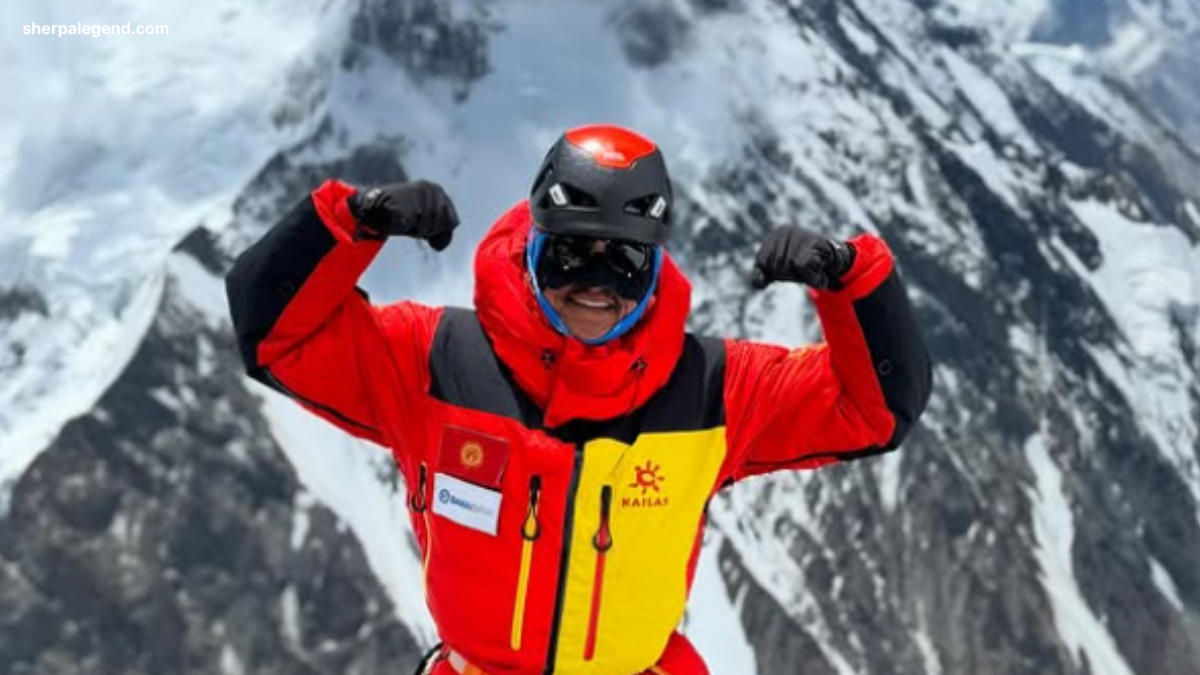
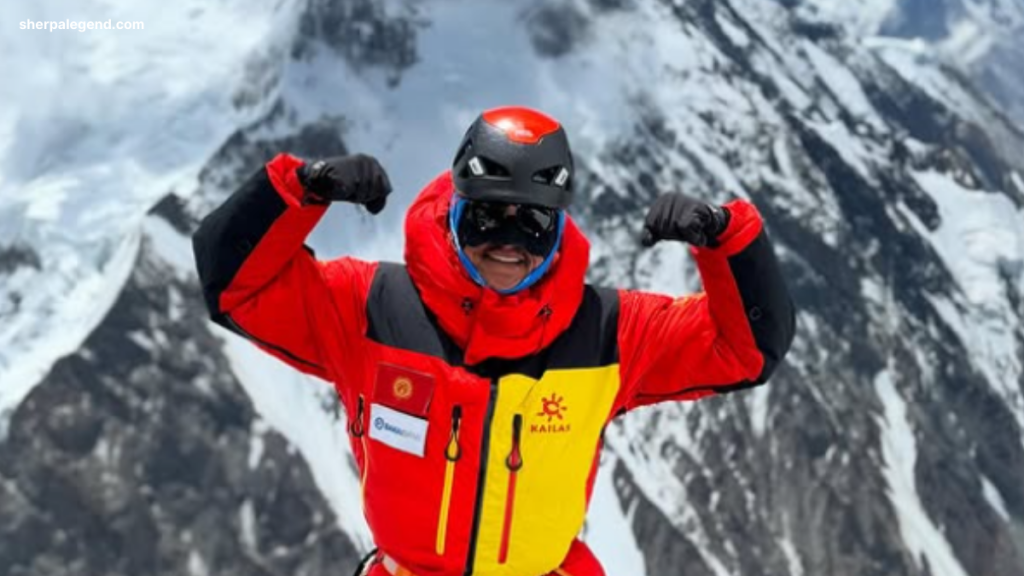
On August 11, at 17:00, Eduard Kubatov stood atop K2, the world’s second-highest peak at 8,611 meters. But this wasn’t just another summit for the veteran climber it was a statement. As he descended, exhausted but triumphant, Kubatov had once again proven that Kyrgyzstan belongs among the world’s elite mountaineering nations.
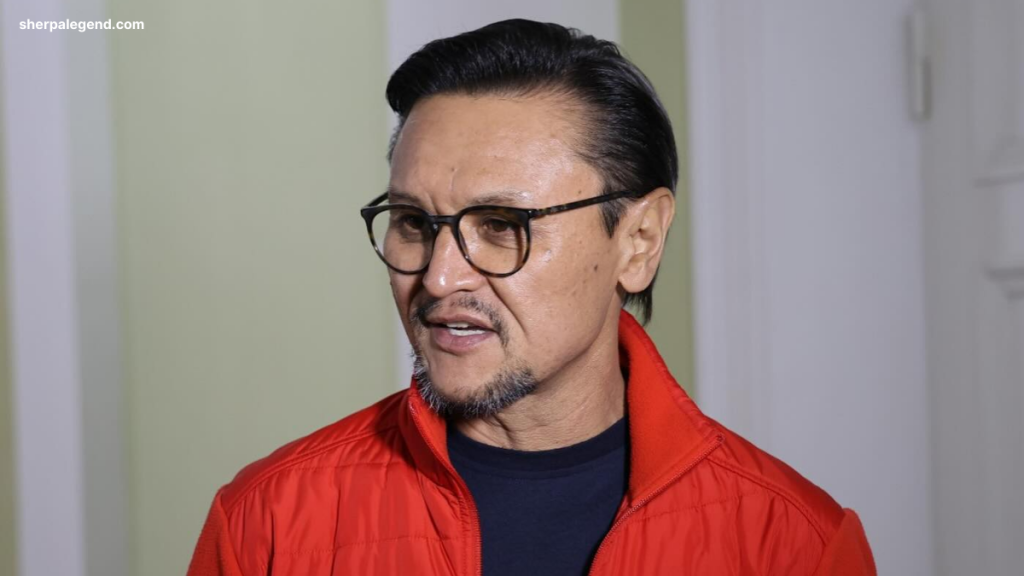
Kubatov in his 50’s and retired lieutenant colonel has made it his life’s mission to plant his country’s flag on the world’s most challenging peaks. And he’s doing it the hard way – without supplemental oxygen, a feat that separates true mountaineers from the rest.
Breaking New Ground
Kubatov’s journey to the top began long before his historic Everest climb during the COVID-19 pandemic. As the first Kyrgyz to reach Everest‘s summit, he opened a new chapter in his country’s mountaineering history. But that was just the beginning. Today, he holds an impressive record 14 peaks above 8,000 meters climbed, with five of those climbed without supplemental oxygen.
“I have accomplished the main personal feat in my life,” Kubatov said after his Everest summit. “Our flag and Kyrgyz are on Everest for the first time, at the highest point of our Earth! I dedicated my ascent to my dear country!”
This dedication runs deeper than patriotism. For Kubatov, each summit represents something bigger than personal achievement. His climbs during the pandemic showed remarkable dedication , bringing global attention to Kyrgyzstan’s presence in mountaineering at a time when the world had largely shut down.
The Philosophy of Pure Climbing
What sets Kubatov apart isn’t just where he climbs, but how he climbs. His decision to tackle major peaks without supplemental oxygen reflects a purist approach to mountaineering that’s both dangerous and deeply respected in climbing circles.
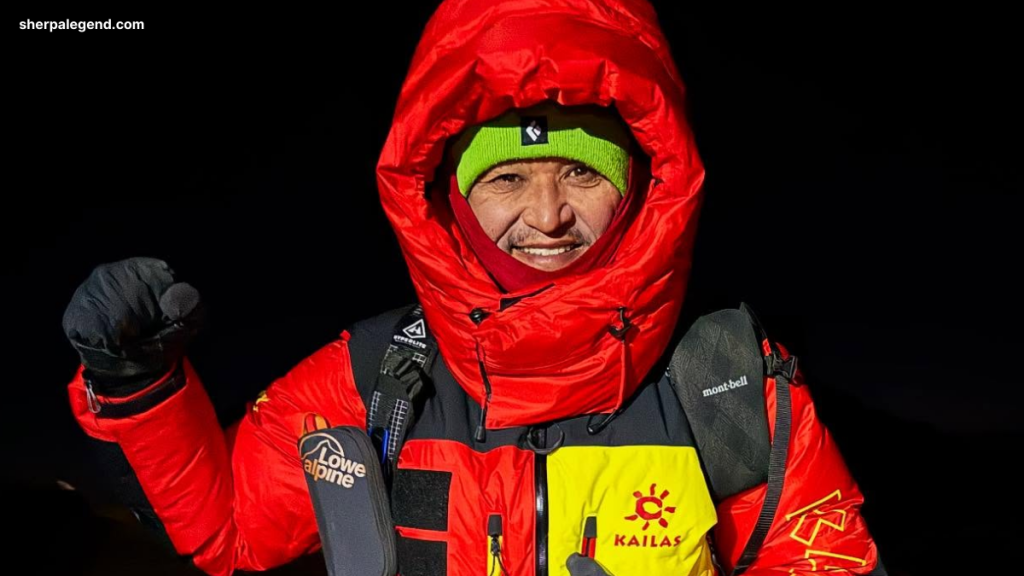
“Climbing without oxygen is the true test,” Kubatov explains. It’s a philosophy that demands everything from a climber superior fitness, mental strength, and an intimate understanding of high-altitude physiology. When others rely on bottled oxygen to survive in the death zone, Kubatov trusts only his body and mind.
This approach has taken him to the summits of Lhotse and Makalu, both towering above 8,000 meters in the Himalayas. Each climb without oxygen is exponentially more difficult and dangerous, but for Kubatov, it’s the only way that feels authentic.
Building Kyrgyzstan’s Mountain Future
As President of the Kyrgyzstan Mountaineering Federation, Kubatov isn’t content with personal achievements. He’s working to transform his country into a major destination for mountain tourism and climbing. His vision extends far beyond the peaks he’s climbing.
“Almost 95 percent of our territory is occupied by beautiful mountains,” he says with enthusiasm. “We have 2,000 mountain lakes. Climbing from the foot to the top, you can go through four natural seasons – from hot summer to winter frosts.”
Kubatov sees massive potential in Kyrgyzstan’s diverse landscape. From sandy desert-like terrain to alpine meadows, permafrost, and glaciers, the country offers experiences that few places on earth can match. Under his leadership, the federation is working to develop this potential systematically.
The changes he’s promoting aren’t small steps. Major projects like Three Peaks, planned as Central Asia’s largest ski resort, represent the kind of ambitious thinking Kubatov brings to his role. He’s also pushing for improvements in Ala-Archa National Park and developing regional tourist destinations across the country.
The Practical Vision
Kubatov’s approach to mountain tourism development is refreshingly practical. He identifies five key areas that need attention accessibility, traveler comfort and safety, infrastructure development, public-private partnerships, and environmental standards.
“We need to simplify the process of obtaining visas for guests or cancel them,” he explains. “We need new airlines to Europe, Southeast Asia, China, Korea, Japan, and the Middle East.”
But infrastructure matters just as much as access. Roads, power grids, internet access, and communications all need massive investment. Kubatov understands that world-class mountains aren’t enough without world-class support systems.
Perhaps most importantly, he insists on maintaining strict environmental standards. From Issyk-Kul to the peaks of Alay and the central Tien Shan, every facility must meet environmental requirements. “We must preserve the industry and develop it in the long term,” he says. “The state must show zero tolerance for violations.”
More Than Mountains
Kubatov’s interests extend beyond mountaineering. He’s competed in boxing, participated in the traditional Kyrgyz game of kok-boru, and even competed in triathlon at the 2017 World Cup in Abu Dhabi. This diverse athletic background has contributed to his success in the mountains, where different types of fitness and mental toughness all play important roles.
His military background as a special services officer also shaped his approach to mountaineering. The discipline, planning, and ability to perform under extreme pressure that military service develops have served him well on the world’s highest peaks.
Despite his impressive record, Kubatov isn’t slowing down. His recent K2 summit, achieved during a particularly challenging season marked by extreme heat and dangerous conditions, shows he’s still pushing limits well into his 50s.
More importantly, he’s optimistic about the future of Kyrgyz mountaineering. “I am confident that even stronger Kyrgyz climbers will follow in my footsteps,” he says. Through his work with the federation, he’s building the foundation for that next generation.
The colossal changes happening in Kyrgyzstan’s tourism sector give Kubatov confidence that his vision will become reality. After decades of talking about potential, the country is finally taking concrete steps to develop its mountain resources.
“Seeing how everything has changed in recent years, I am confident that we will achieve real results in the development of tourism and everything will be fine with us,” he says.
For Eduard Kubatov, the mountains represent both personal challenge and national opportunity. His approach climbing without supplemental oxygen, developing sustainable tourism, maintaining environmental standards –reflects a deep respect for the peaks that have defined his life. As he continues to summit the world’s highest mountains and build Kyrgyzstan’s reputation in the climbing world, Kubatov remains focused on one goal: ensuring that his country’s flag flies proudly on peaks around the globe, while the mountains themselves remain pristine for future generations.
The man who brought Kyrgyzstan to Everest and K2 is now working to bring the world to Kyrgyzstan’s mountains. Given his track record of turning ambitious goals into reality, it’s a vision worth watching.
