
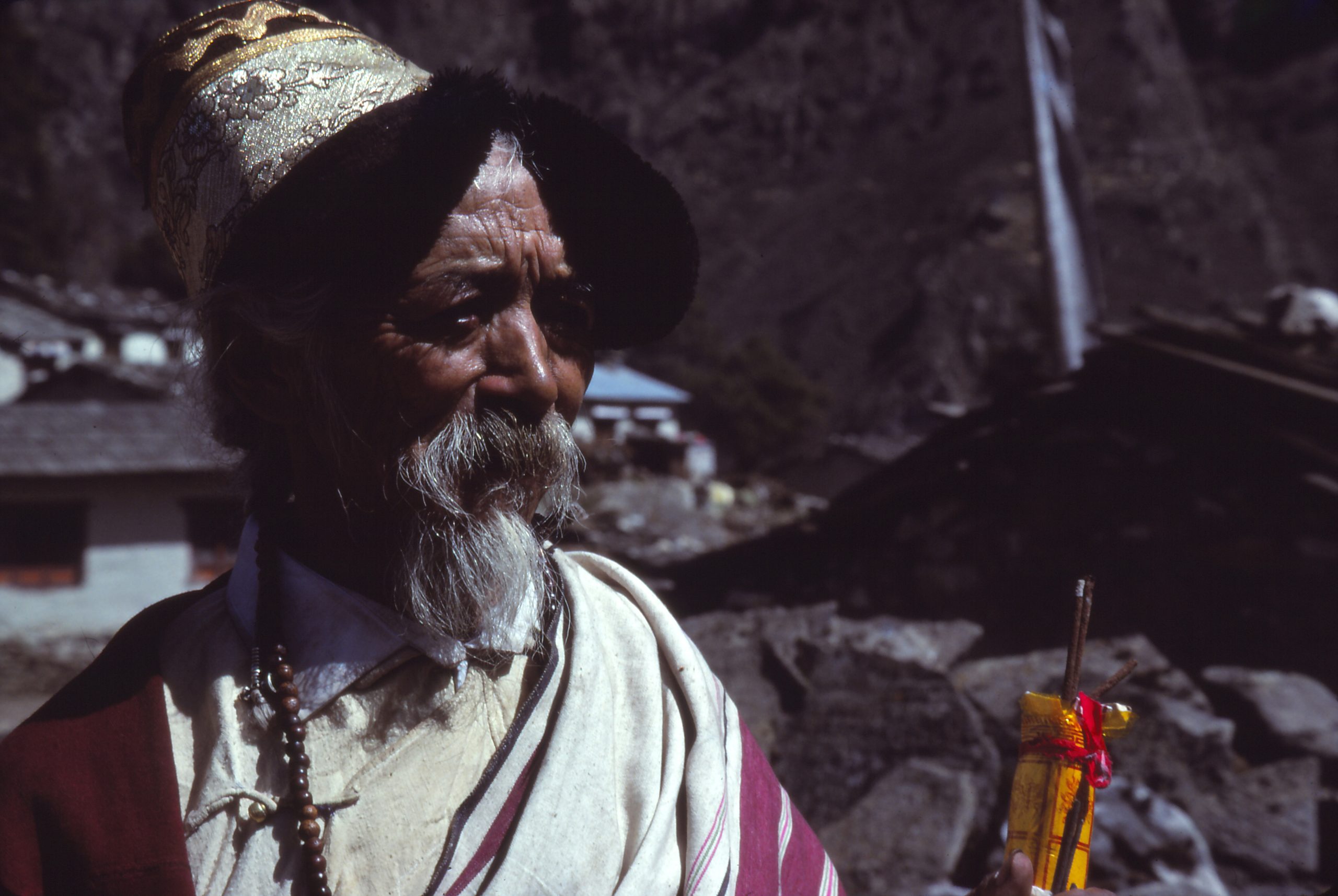

In the crystalline air of the Himalayas, where prayer flags whisper ancient mantras to the wind, Khonjo Chombi’s story unravels like a sacred text written in footprints across time.
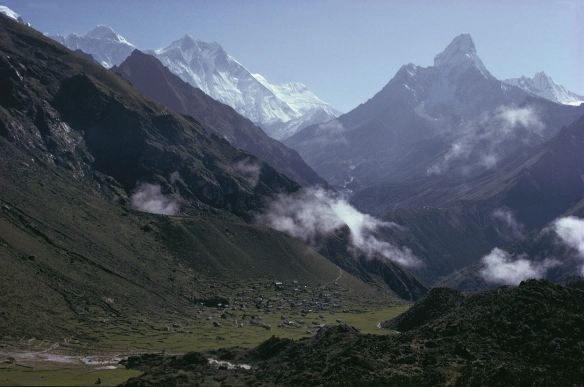
As one of the most influential Sherpa leaders of his era, his journey from a traditional mountain trader to a global cultural ambassador captures a watershed moment in Sherpa history.
“I first saw them when I was trading in Darjeeling and Calcutta,” Chombi once recalled of his earliest encounters with foreigners, his eyes twinkling with the memory. His trading routes, which took him from the steep paths of Tibet to the bustling streets of Calcutta, became his first bridge between worlds.
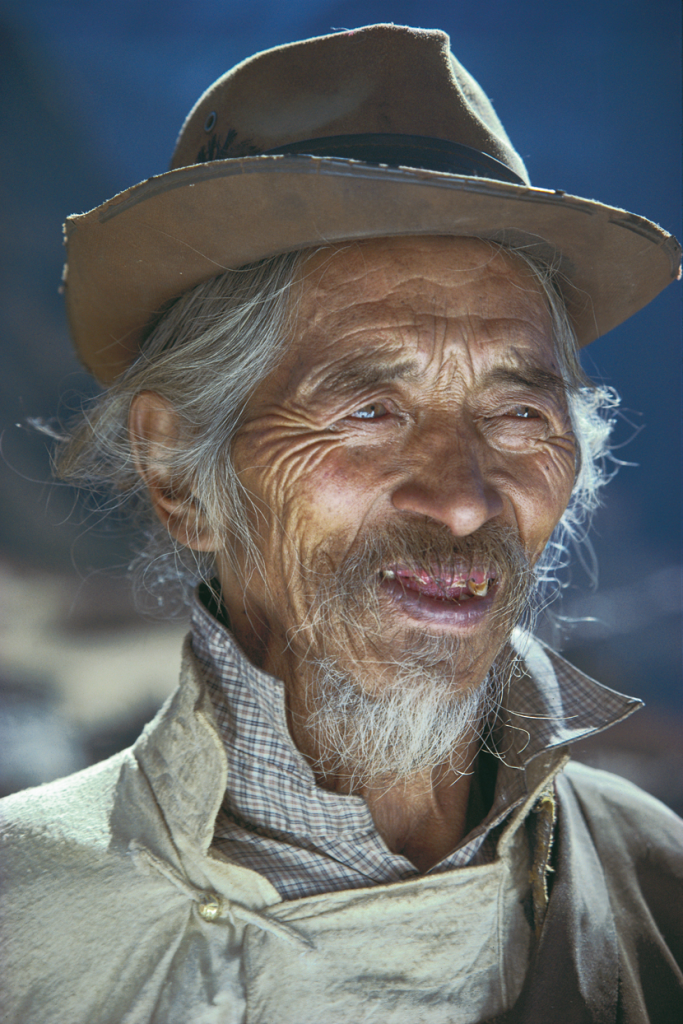
Twice yearly, he would orchestrate an intricate dance of commerce – taking powerful dzopchioks to Tibet, trading them for sturdy Tibetan horses, and finally converting it all to cloth and corals in the distant markets of India.
His early adventures revealed a spirit that balanced business with joy. “When I was young, I wasn’t very business-like,” he admitted with characteristic candor. “Once, another man and I finished our business in three days and then spent the next two weeks travelling around learning new songs and dances.”
These journeys weren’t merely about trade; they were cultural exchanges that enriched the fabric of Sherpa life.
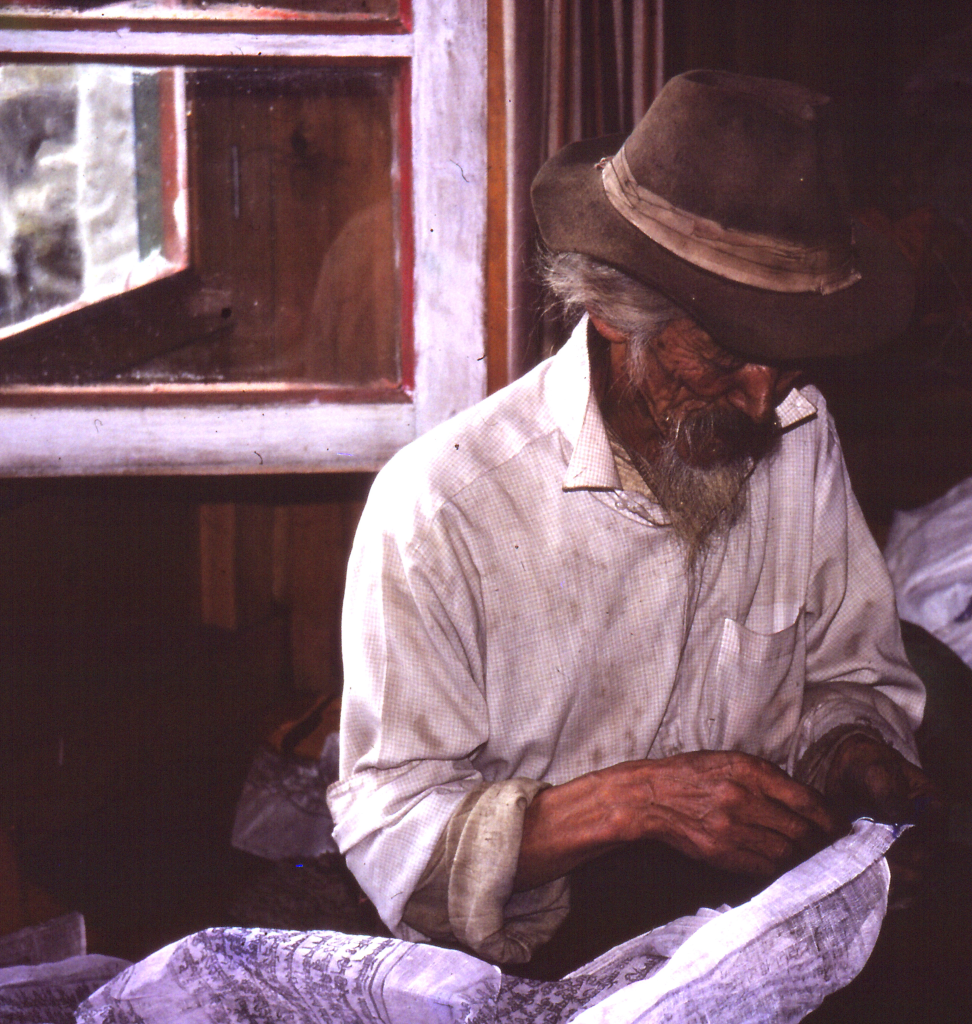
The arrival of Western mountaineering expeditions in Khumbu marked a new chapter in Chombi’s life. As a village headman, he became a important liaison between his people and the outside world. His encounter with anthropologist Haimendorf, who arrived “in the middle of the monsoon,” became one of many significant cultural bridges he would build.
But it was his journey with the yeti scalp that would take him further from his mountain home than any trading expedition ever had. The 1960s voyage, sparked by Western curiosity about the legendary “snowman-yeti” of the Himalaya, transformed Chombi into an unexpected diplomat.
From the rain-swept streets of London to the sun-drenched spans of the Golden Gate Bridge, he carried not just a mysterious relic but the dignity and wisdom of his people.
“They kept looking at our yeti scalp, while I had a good time,” he would later say, encapsulating his remarkable ability to maintain his cheerful equanimity even in the most extraordinary circumstances.
His photographs from this period show him, resplendent in traditional Sherpa garb, standing alongside Queen Elizabeth II and various world leaders – a mountain man at ease in palaces.
Back home, Chombi’s influence ran as deep as the valleys he called home. His knowledge touched every aspect of community life, from agricultural timing to dispute resolution.
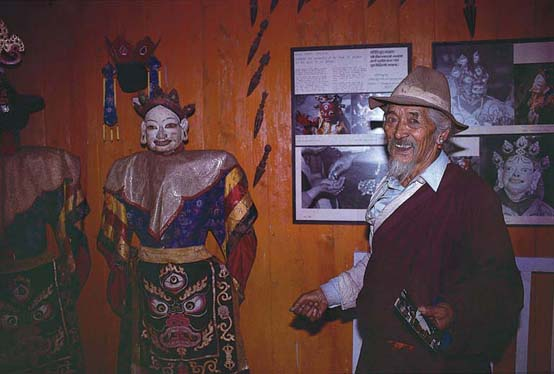
As one villager poignantly observed, “Without Khonjo Chombi we would have so many problems. He tells us the best times to plant potatoes and to dig them; to send livestock to the high pastures, and to bring them down. If there is a quarrel in the village, he is called in to settle the dispute.”
His legacy continues to flourish through his descendants, each carrying forward different aspects of his prismatic character.
His grandson Phinjok, though born too late to meet him, speaks of an inheritance richer than any material wealth in Frances blog comment section
After reading this, I feel that all his qualities has passed down to the generations.
Today, the family tree bears remarkable fruit – from top business leaders to environmental advocates, from fashion designers to physicians, each adding their own chapter to the family’s story of service and innovation.
Among Chombi’s descendants are leaders who continue to bridge worlds in their own ways: a son who works with the Himalayan Trust, following in the philanthropic footsteps of Sir Edmund Hillary; a grandson who advocates for Everest’s preservation through TED talks and has sent a symbolic rock from the mountain to the U.S. President; another who has earned recognition from CNN for his fashion designs; and yet another who serves as a physician.
When he passed away in the early 1990s, Khonjo Chombi left behind more than memories – he left a blueprint for how to maintain cultural authenticity while embracing change, how to honor tradition while promoting progress. His life demonstrated that wisdom isn’t just about preserving the past; it’s about building bridges to the future.
The story of Khonjo Chombi, first documented by Frances in the 1980s, remains a monument to the power of cultural stewardship and adaptability.
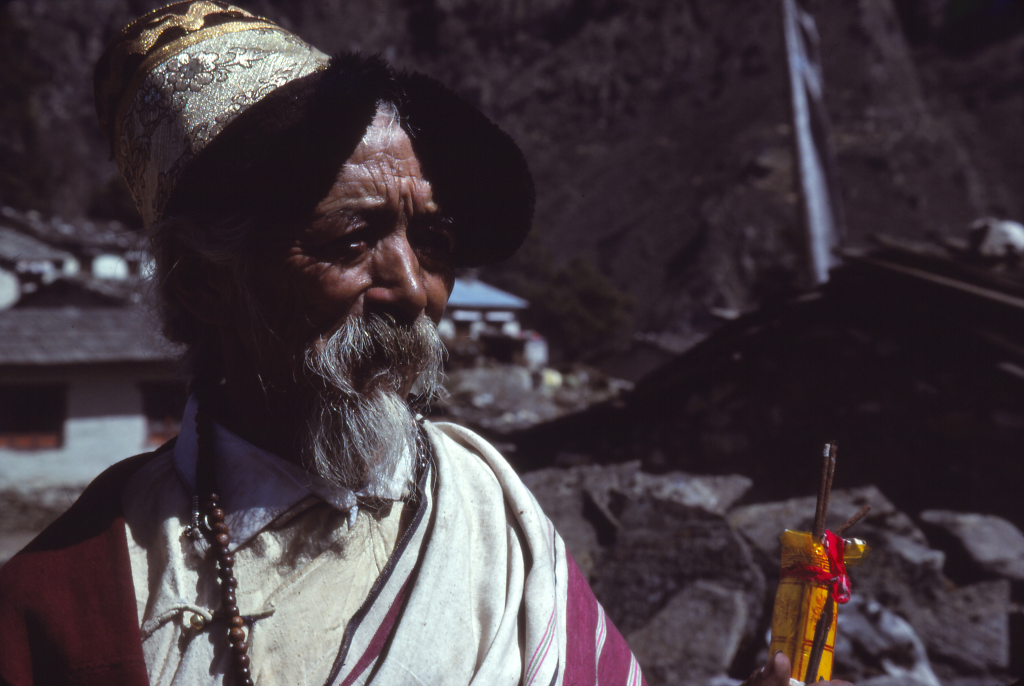
In an era where globalization threatens to homogenize the world’s rich tapestry of cultures, his example shows how traditional wisdom can guide us through changing times.
Like the prayer flags he so carefully stitched, his legacy continues to spread blessings across generations, carrying ancient wisdom into a rapidly changing world.
Original Blog: https://franceslk.com/2013/10/26/a-sherpa-legend-historian-trader-and-dignitary/
Note:©️The story of Khonjo Chombi was first documented by Frances in the 1980s, offering a glimpse into the extraordinary life of this influential Sherpa leader. All photos accompanying this narrative are the exclusive property of Frances and remain fully credited to him, with all rights reserved.
