
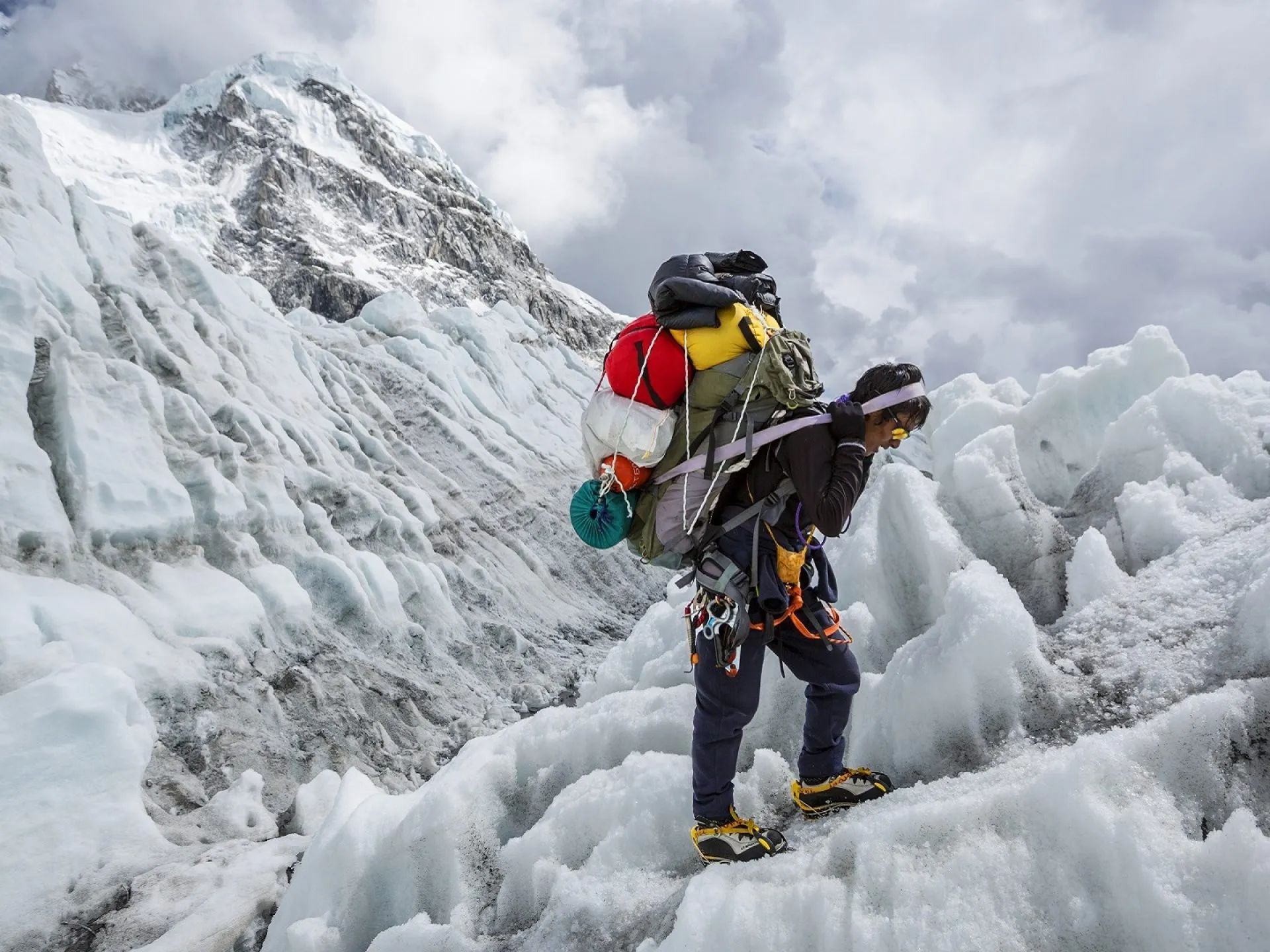

In the annals of mountaineering history, the tales of Sherpas stand as monuments to resilience, skill, and unwavering dedication. Yet, despite their indispensable role in countless expeditions, the global media often casts them into the shadows, relegating their achievements to footnotes in the narratives of Western climbers. It is time for Sherpas to step out of the shadows and into the spotlight they so rightfully deserve.
The recent historic winter ascent of K2, the second-highest mountain in the world, serves as a poignant reminder of the extraordinary capabilities of Sherpa climbers. On January 16, 2024, a team of 10 Nepali climbers, nine of whom were Sherpas, reached the summit of K2, marking the first-ever winter ascent of this formidable peak. While the achievements of Western climbers often dominate headlines, this feat showcased the unparalleled expertise and courage of Sherpas in conquering the ‘savage mountain’ of Pakistan.
For generations, Sherpas have been the unsung heroes of mountaineering, serving as guides, facilitators, and porters on some of the most challenging expeditions in history. Yet, their contributions have too often been overshadowed by the fame accorded to Western climbers. The word ‘Sherpa’ has become synonymous with the role of porter, erasing the rich heritage and expertise of this indigenous Himalayan ethnic group.
Sherpas are not merely muscle behind an expedition; they are expert navigators and leaders who navigate treacherous terrain with precision and skill. Enduring freezing temperatures and extreme altitudes, Sherpas play a vital role in ensuring the safety and success of climbing teams. Yet, their achievements are often overlooked, with Western climbers receiving the lion’s share of recognition for mountaineering firsts.
