
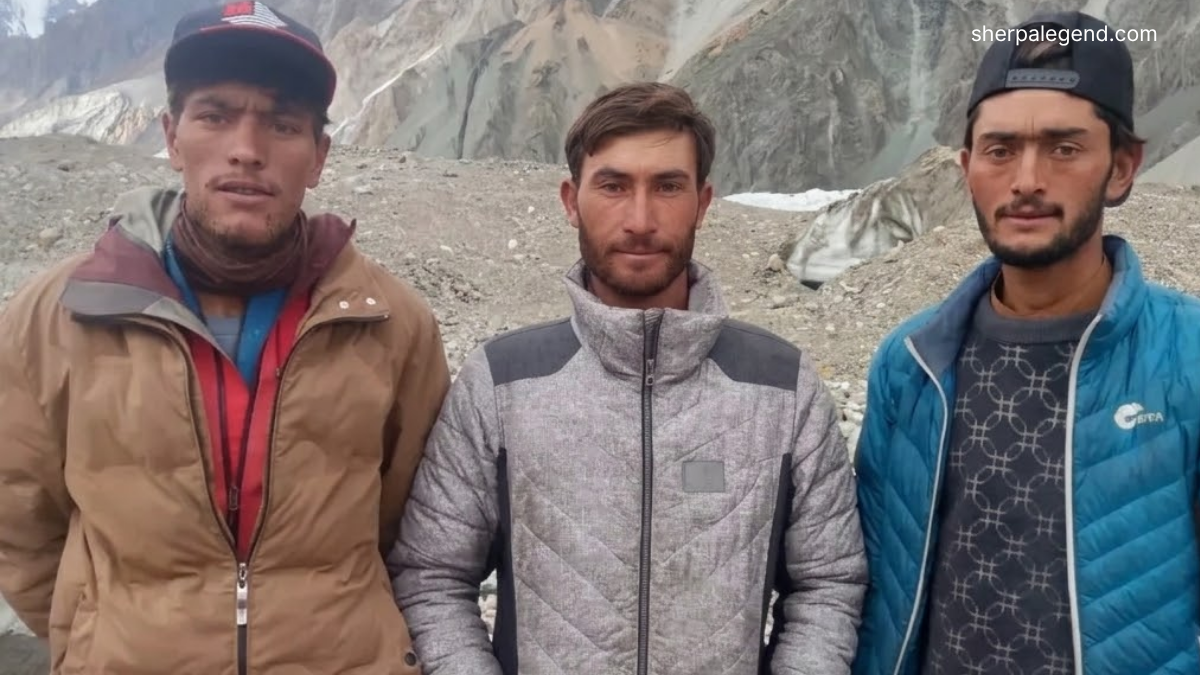

A team of local volunteers from Shigar, searching the area on their own, found a body on Broad Peak this yesterda and it has now been confirmed as Sohail Sakhi, one of ten climbers killed in the avalanche of July 30.
The body was first spotted by Muhammad Nadeem, Muhammad Bashir, and Abuzar, all from the village of Tissar in Shigar. They were carrying loads up toward Broad Peak Base Camp when they noticed something in the snow above the camp, in an area hit by the earlier avalanche.
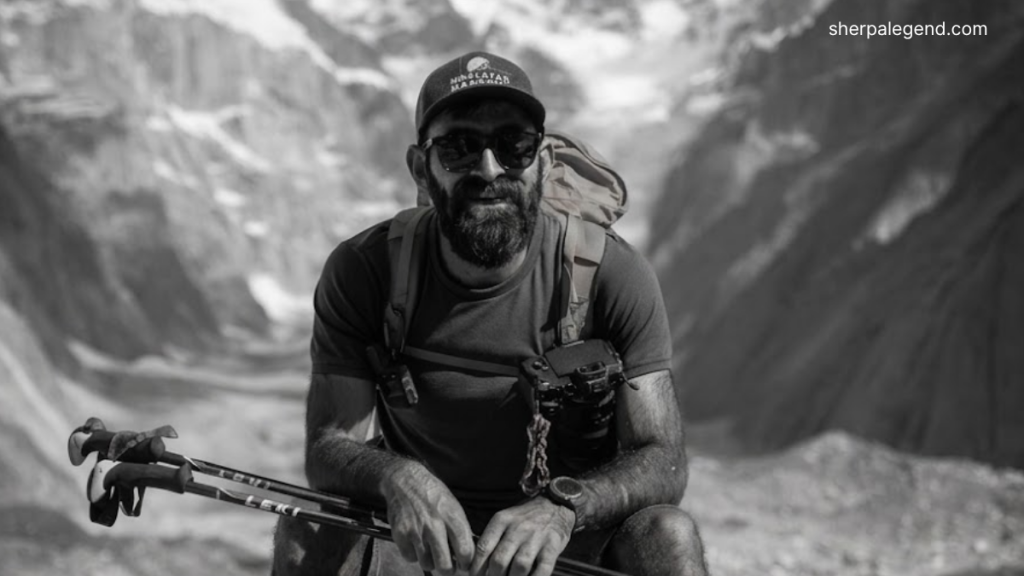
They called over their leader and cook, Zaman, along with a few more volunteers from the area. Together, the group carried the body down from Camp 1 to Base Camp.
“We cannot thank the local volunteers enough for this selfless act. At their own initiative and without being asked, they gave a grieving family the chance to say goodbye. Their courage and compassion will not be forgotten.”
Alpine Club of Pakistan thanked them in a statement
What happened on Broad Peak
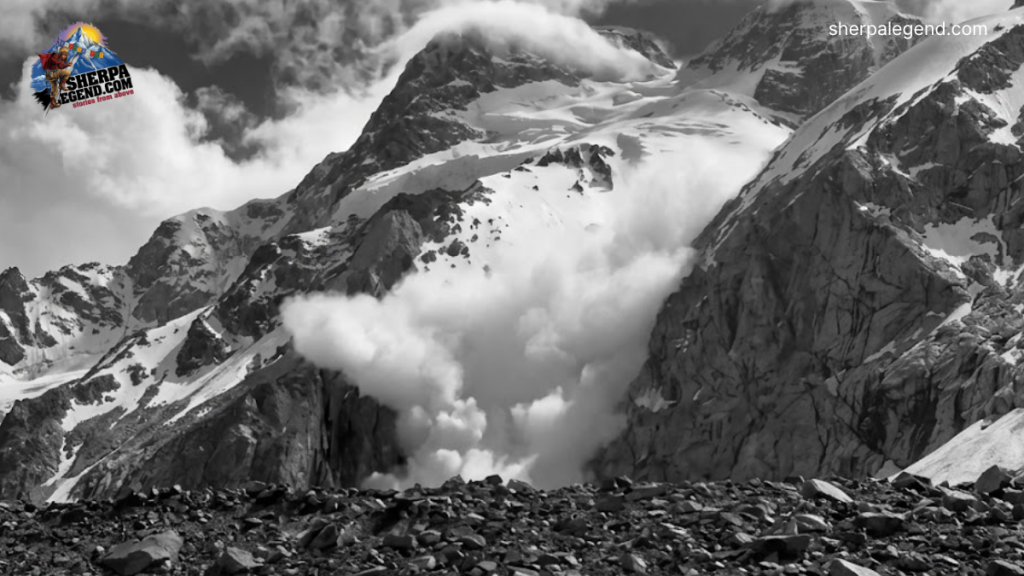
Sakhi was one of ten climbers caught in the avalanche on July 30, as the group moved between Camp 2 and Camp 3. Four commercial teams had stayed on for a shared summit push after other climbers had already left because of heavy snow and rising avalanche danger.
Trackers placed the group at around 6,600 metres just before the avalanche hit. It swept the entire party hundreds of metres down a west-facing gully in some places more than 1,500 vertical metres. Rescue teams could not reach the site until the next day. By then, it was clear no one had survived.
Over the following days, seven bodies were recovered, including that of Nirmal Purja. Sakhi’s backpack and tracker had already been found, but his body stayed missing until the Shigar volunteers found it yesterday.
Two climbers are still not recovered : American climber Sarah Mallory Geis and Nepali guide Nawang Thindu Sherpa. Only Geis’s leg has been found and identified. Nawang’s body was seen, but in terrain too dangerous to reach. Bad weather and the risk of more avalanches have stopped any further recovery work for now.
How they did it, in their own words
An eyewitness account from Abuzar Ali, known locally as “Bujar bhai,” has been circulating online and describes how the recovery happened.
He and his companions from Tissar were carrying supplies up toward Broad Peak. A little above Base Camp, in the area hit by the earlier avalanche, they saw equipment scattered in the snow. Climbing a bit higher, they spotted a boot sticking out of the snow.
They started digging, unsure at first what they would find. It turned out to be a body. They had no proper rescue equipment just a basic snow shovel and dug for about three hours before they were able to free the remains. The head and face were badly damaged, and the volunteers pieced the remains together as best they could. That was when they realised it was Sohail Sakhi.
They wrapped the body in a towel and carried it down to a safe spot at Base Camp, where Sakhi’s guide, Amanullah, was brought in to confirm the identification.
Who they are
The volunteers who first found and recovered the body Muhammad Nadeem, Muhammad Bashir, and Abuzar are all from Tissar, in Shigar. They were joined by Zaman and a few other local volunteers whose names have not been made public.
They are described as local volunteers, but most are young mountaineers and porters from the Shigar area, a region that regularly supplies high-altitude porters and guides for Karakoram expeditions. Locals from Shigar have carried out difficult recoveries before, including past efforts to bring down porters’ bodies from K2.
They had no formal task from the Alpine Club of Pakistan, the army, or any official rescue team they went up and searched on their own. No reports suggest they had any personal connection to Sakhi, who was from Hunza, while they are from Shigar. What drove them appears to be a shared sense of duty the wish to give a family a proper burial, community solidarity, and an intimate knowledge of the mountain that comes from working on it every season.
They are part of the same group of high-altitude workers who fix ropes, carry loads, and clear garbage once climbers and tourists have gone home work that rarely comes with recognition, and is usually done without the professional gear that foreign expeditions rely on.
People say Pakistani mountaineering doesn’t get enough respect. Three boys with a snow shovel just showed why that’s wrong. Now give them what they’ve earned proper rescue training, so courage isn’t the only thing standing between climbers and coming home alive.
