
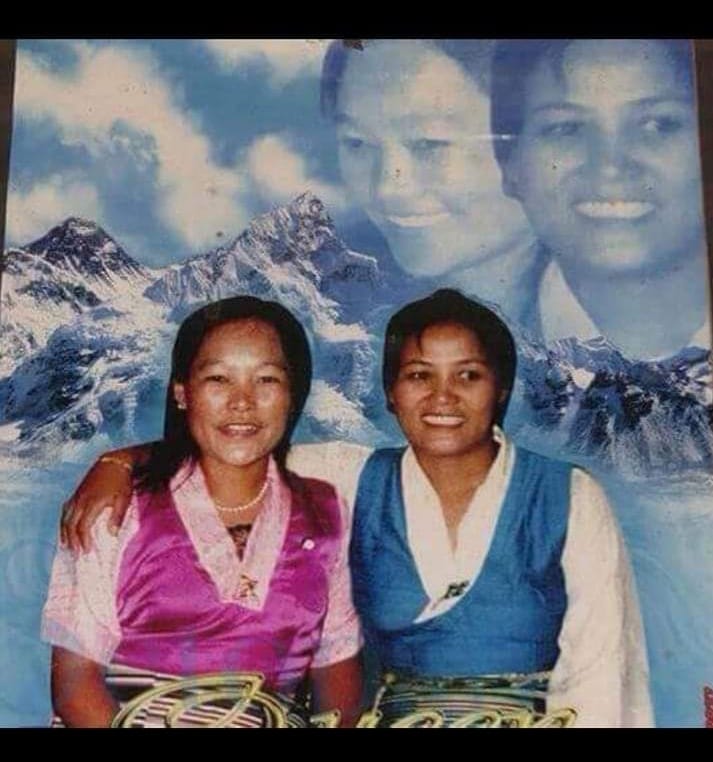

Sherpa Legend
Lhakpa Phuti Sherpa was born in the remote village of Mushey in Solukhumbu, in the shadow of the world’s highest peaks. Her childhood was not shaped by classrooms or books, but by steep trails, cold winds, and the constant presence of mountains. In a place where survival itself required strength, she learned resilience long before she ever called herself a climber.
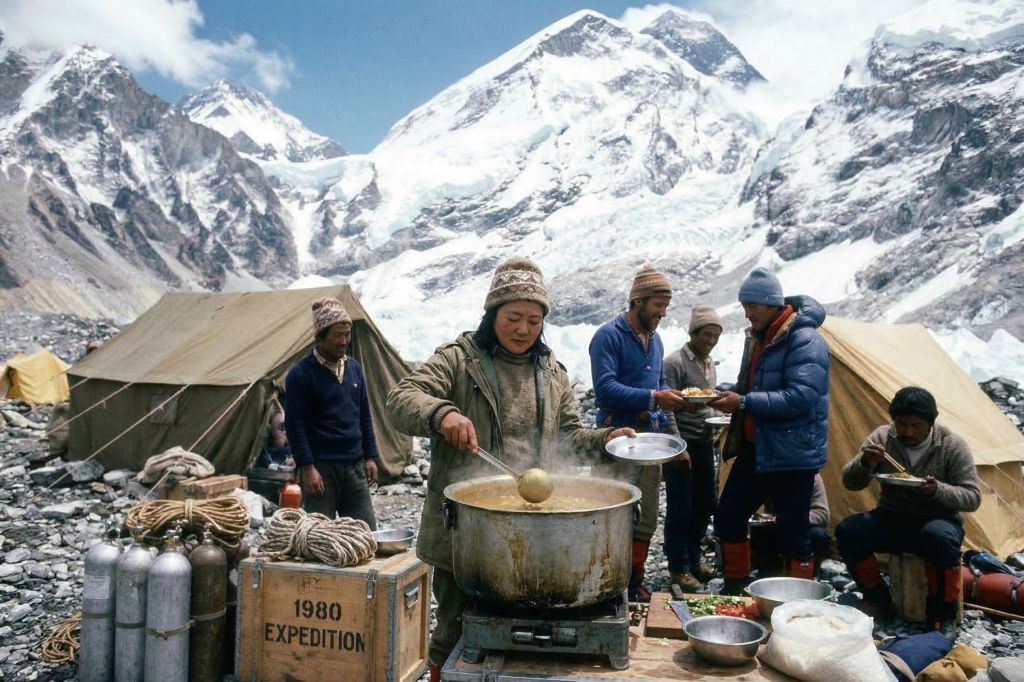
Her journey into mountaineering did not begin with ambition, but with necessity. She started working as a cook for trekking groups, quietly observing the rhythm of expeditions, the discipline of climbers, and the unforgiving nature of the Himalaya. Over time, she stepped beyond the kitchen, becoming a guide and eventually a leader, earning her place in a field that rarely welcomed women.
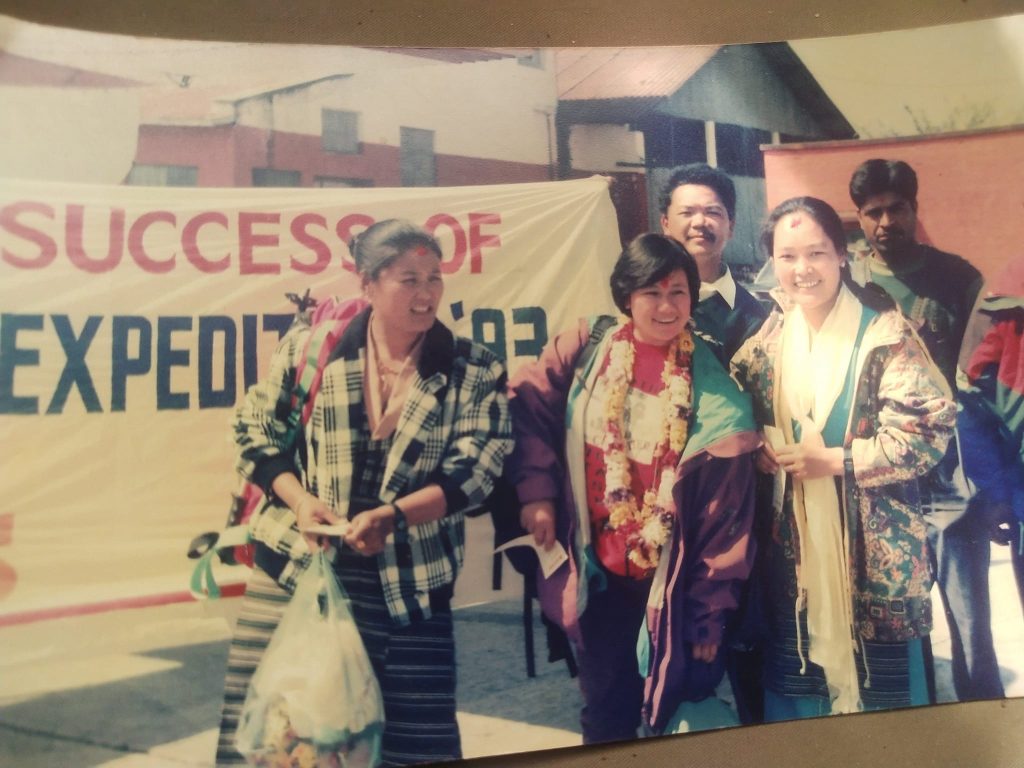
In 1993, Lhakpa Phuti Sherpa stood at the center of history as the Deputy Team Leader of Nepal’s first women-led Everest expedition, led by Pasang Lhamu Sherpa. That climb became a defining moment for the nation. Pasang Lhamu reached the summit but lost her life on the descent. Lakpa Phuti returned, carrying not just survival but the weight of a story that would inspire generations.
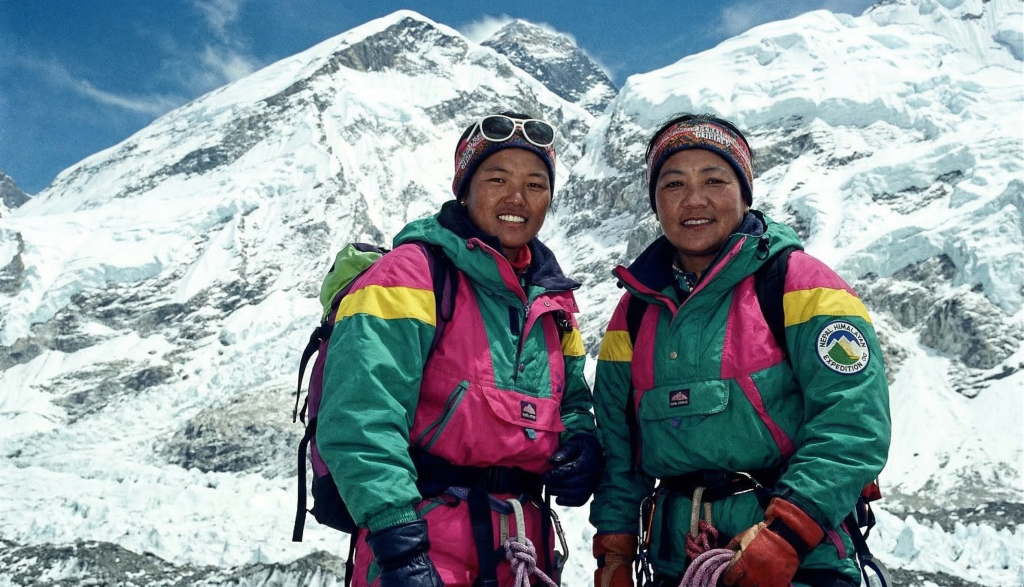
For over four decades, she dedicated her life to the mountains. Starting from the age of thirteen, Lhakpa Phuti Sherpa lived a life shaped by altitude, endurance, and silence. Her experience was not built on a single summit, but on years of unseen labor, guiding others, facing risks, and understanding the deep, spiritual relationship between people and the Himalaya.
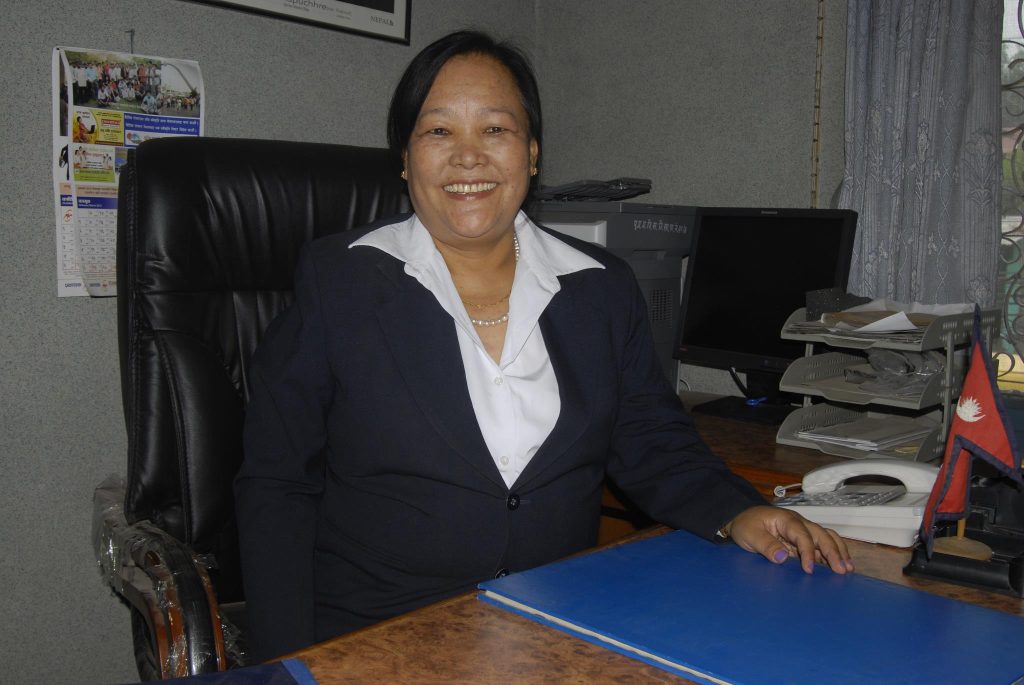
Beyond climbing, she became a pioneer in tourism. At a time when few women led businesses, she founded her own trekking company, organizing journeys across Nepal, India, and Tibet. She did not just follow the path of mountaineering; she created new ones, opening doors for others to experience the mountains through her vision.
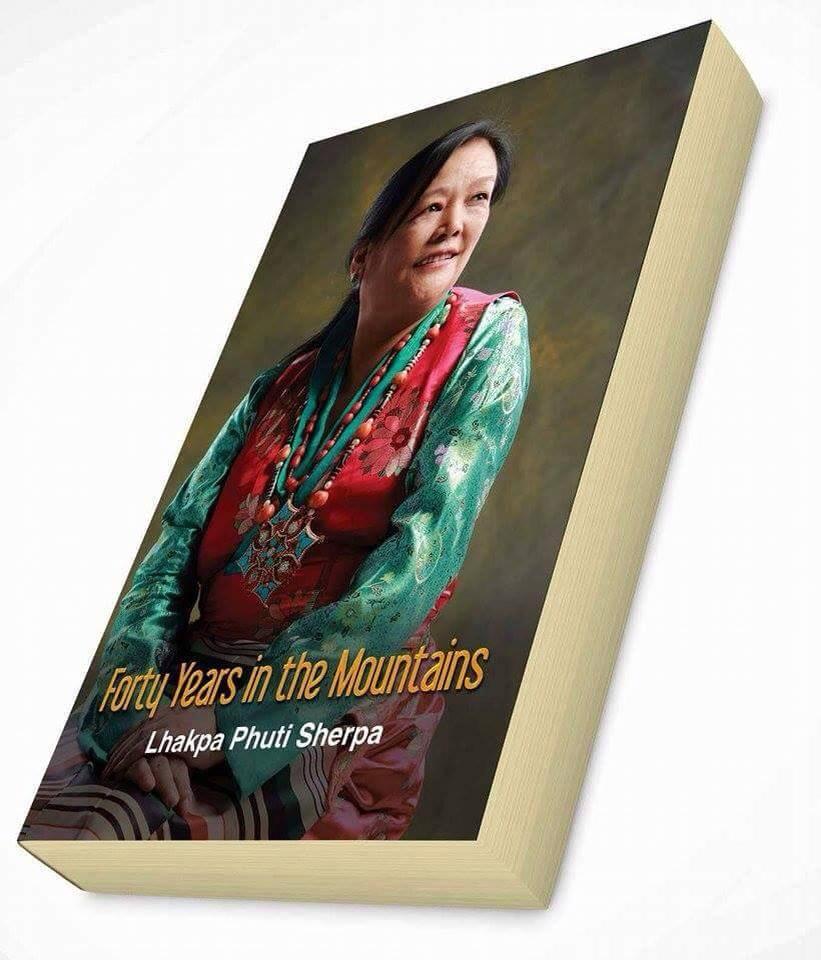
Lhakpa Phuti Sherpa later turned her life into literature through her memoir “Forty Years in the Mountains.” In it, she documents not only her personal journey, but also the cultural, social, and economic realities of Himalayan life. Her words offer a rare, authentic perspective—one that goes beyond adventure and into the soul of the mountains.
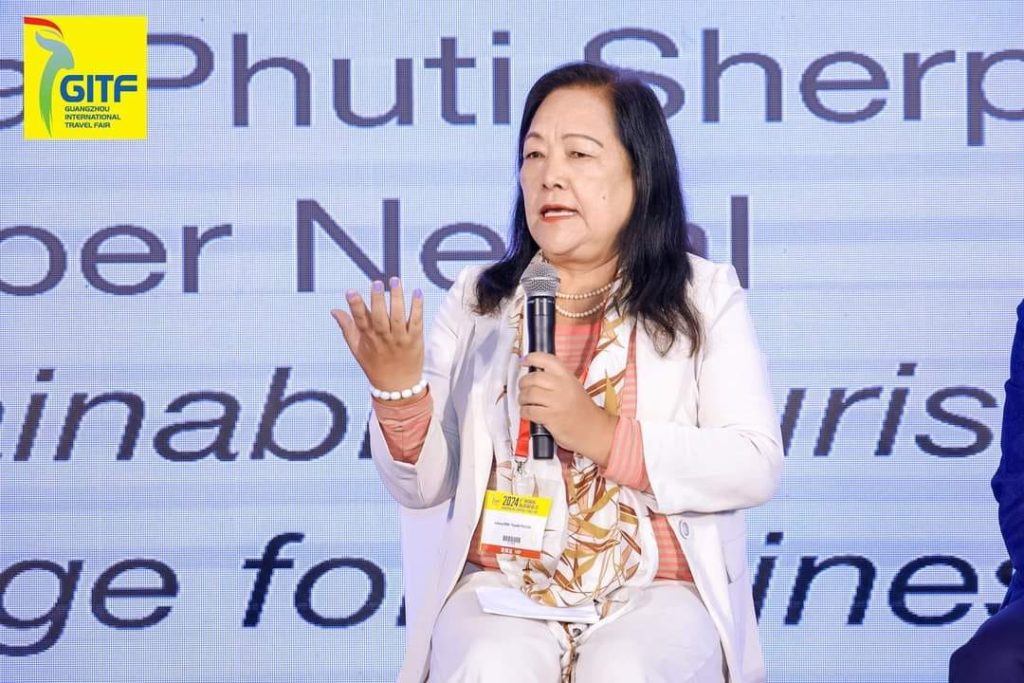
Her leadership extended beyond expeditions. As the Chairperson of the Nepal Mountain Academy, she worked to institutionalize mountain education and preserve Himalayan knowledge. She has consistently advocated for Nepal to take ownership of its mountaineering heritage, ensuring that the stories of its people are not lost to the world.
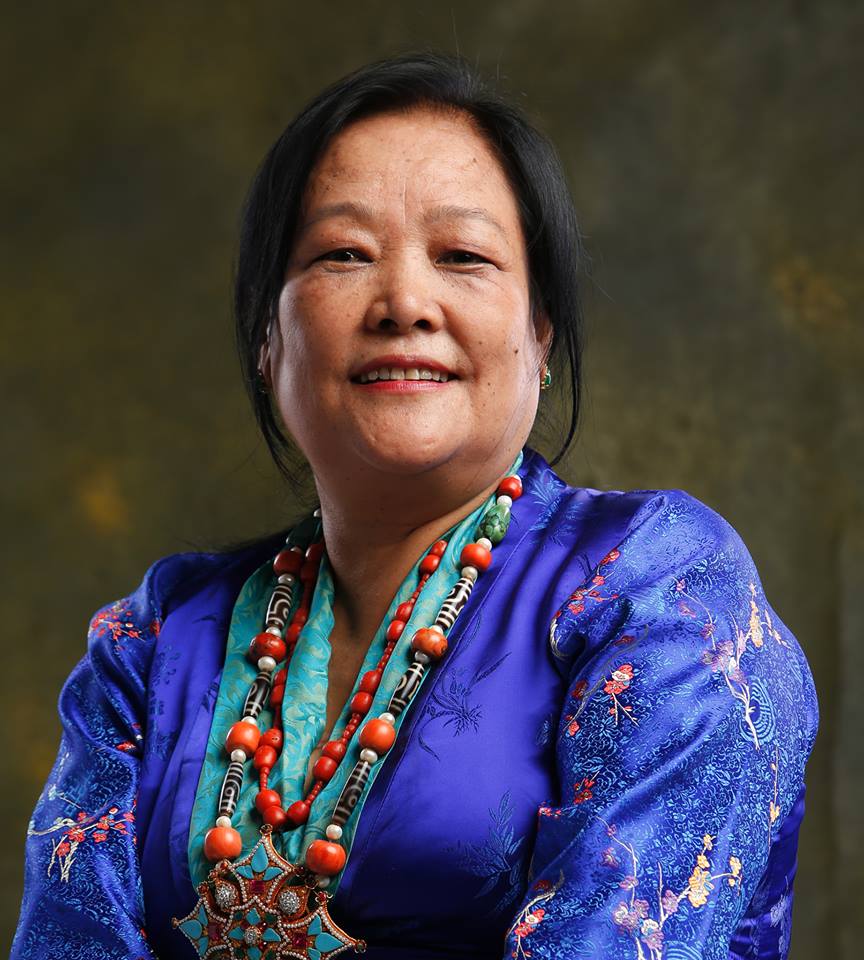
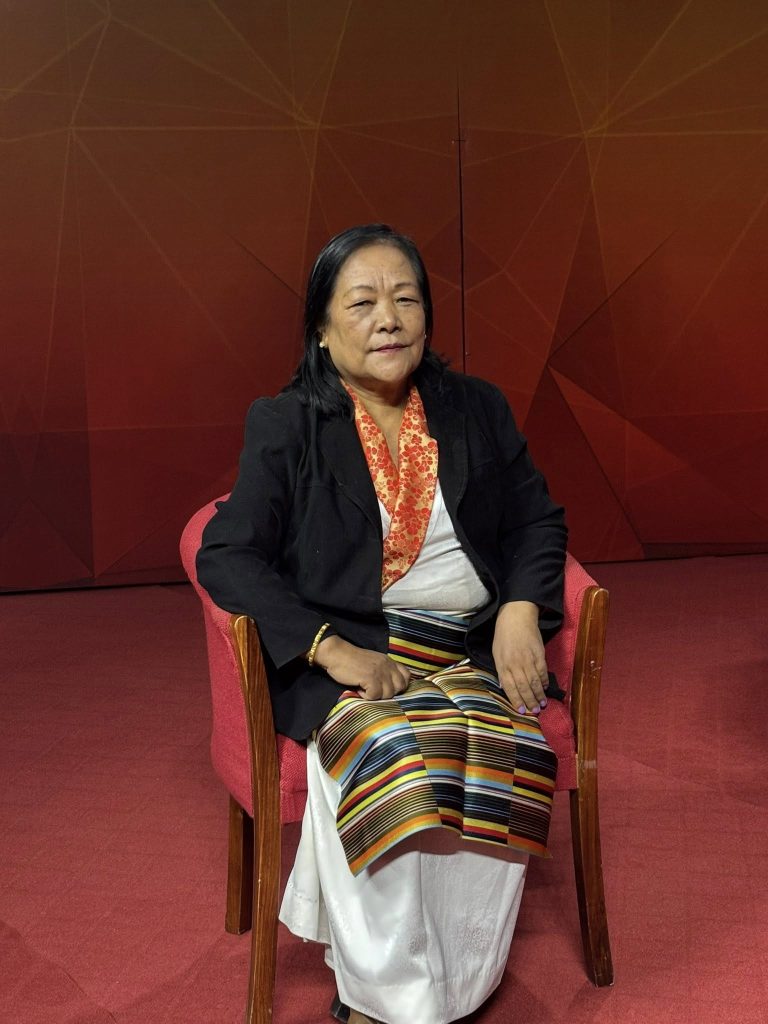
Lhakpa Phuti Sherpa stands as more than a mountaineer. She is a voice for sustainable tourism, women’s empowerment, and the mountain economy. Her journey reflects a quiet but powerful truth; that real strength is not always loud, and real leaders are often those who endure the longest.
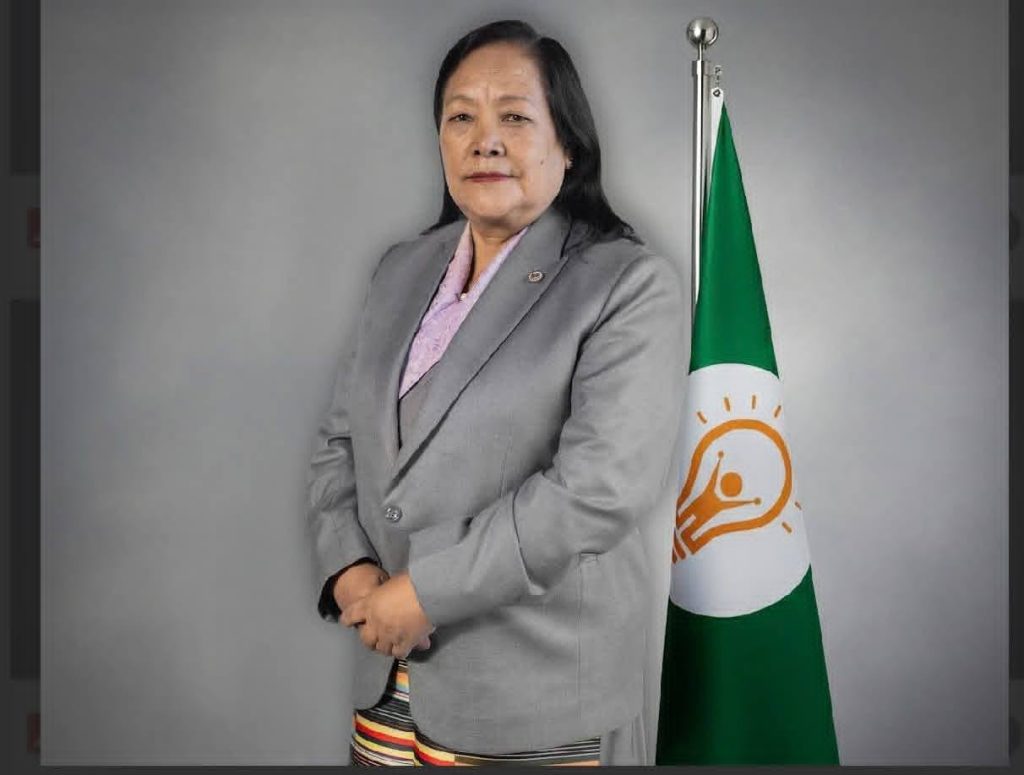
Today, Lhakpa Phuti Sherpa is a founding central committee member of Ujyalo Nepal Party, led by former minister and “Hero of Light” Kulman Ghising, bringing her decades of Himalayan experience into Nepal’s policy space.
Her step into politics brings new hope; championing women in mountaineering, sustainable tourism, and the livelihoods of mountain communities, ensuring the Himalaya has a voice in shaping Nepal’s future.
Photo Credit: Lhakpa Phuti Sherpa (Lakhputi) Facebook, websites, AI generated
