

Sherpa Legend
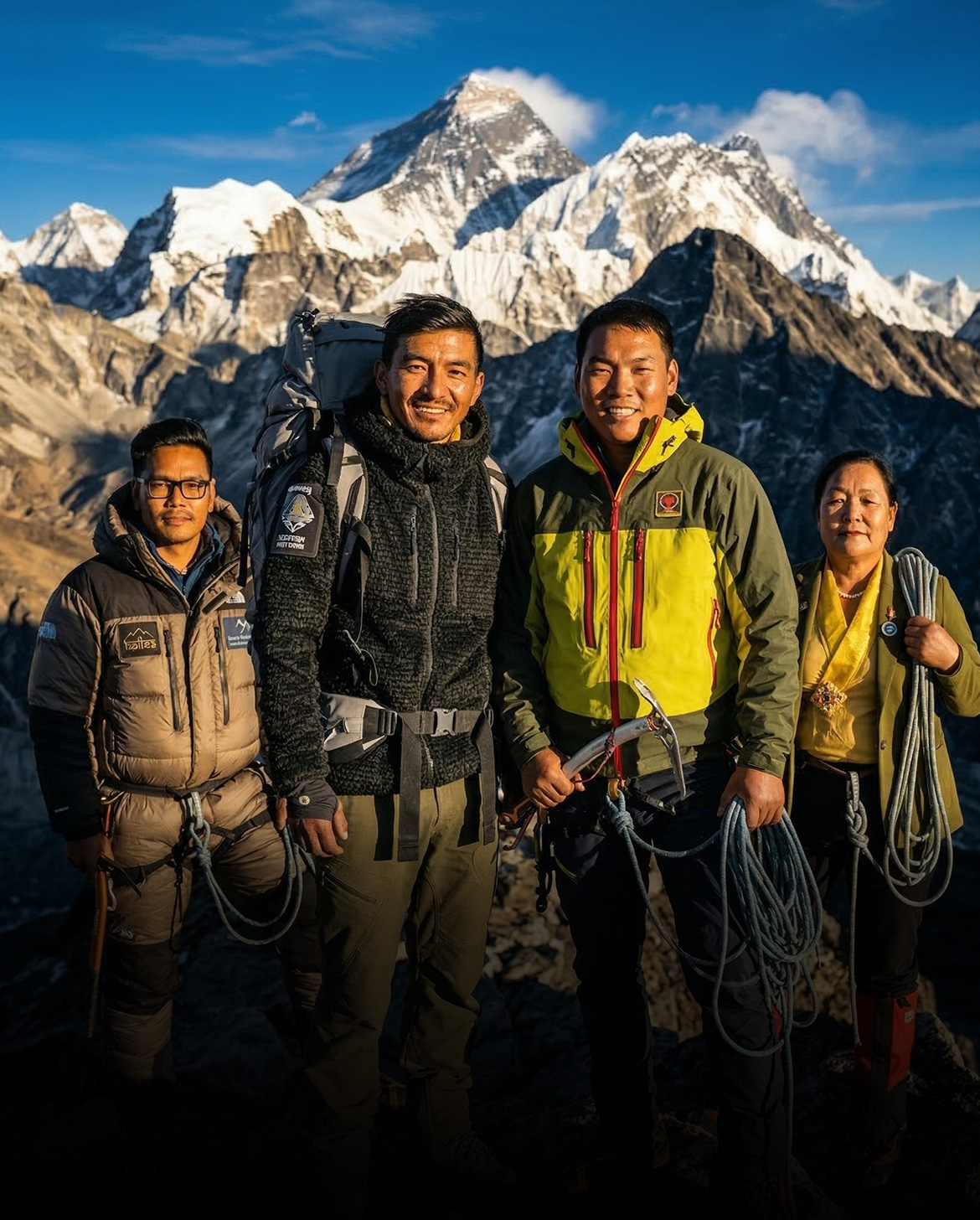
Nepal calls itself the capital of the Himalayas. It is the land of some of the tallest mountains on earth. For generations, the world has come here seeking summits, and it is the Sherpa community that has guided humanity to those heights. Yet in the halls of Nepal’s national parliament, the voices of the mountains are rarely heard.
In this election, several climbers attempted to carry the spirit of the Himalayas into national politics however, every Sherpa candidate contesting in the first-past-the-post races fell short.
A Nation of Mountains Without a Mountain Voice
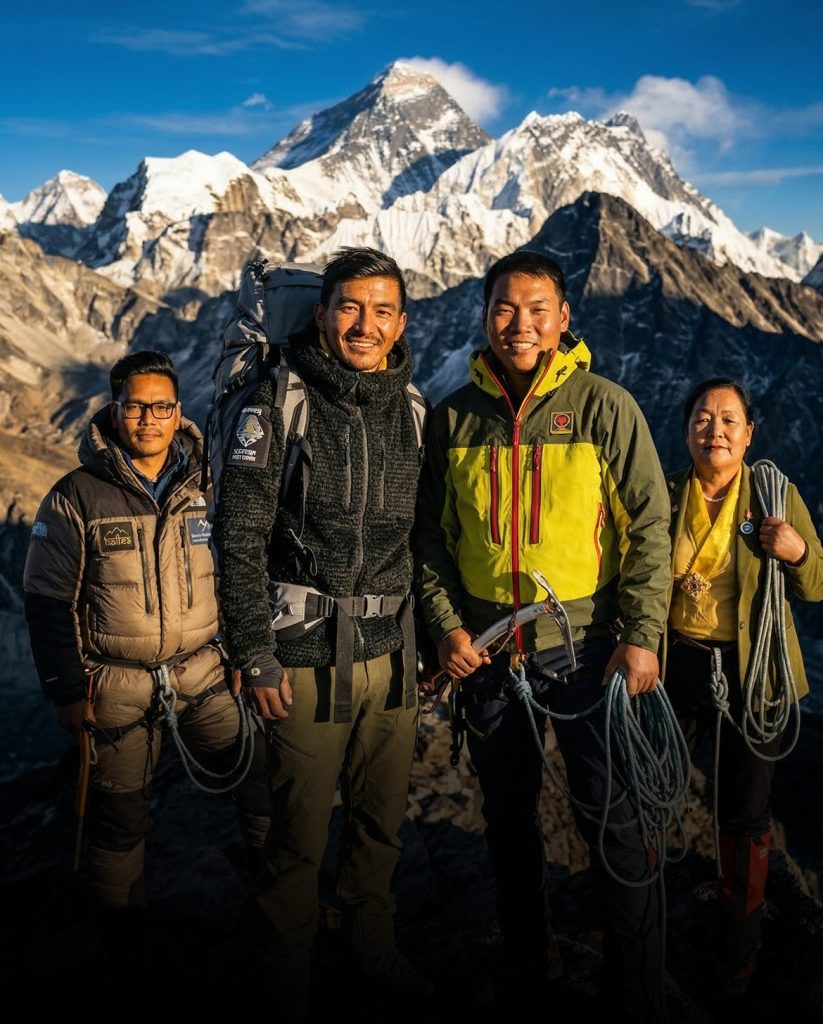
Nepal is the epicenter of global mountaineering. Fourteen of the world’s highest peaks rise above 8,000 meters, and eight of them stand inside Nepal or in the borders. Every year, the global climbing community looks to Nepal. Expeditions, research, climate change, rescue missions, and the dreams of thousands of climbers revolve around these mountains. But inside Nepal’s policymaking institutions, the people who truly understand these mountains—the Sherpas and the climbers who dedicate their lives to them—are almost invisible.
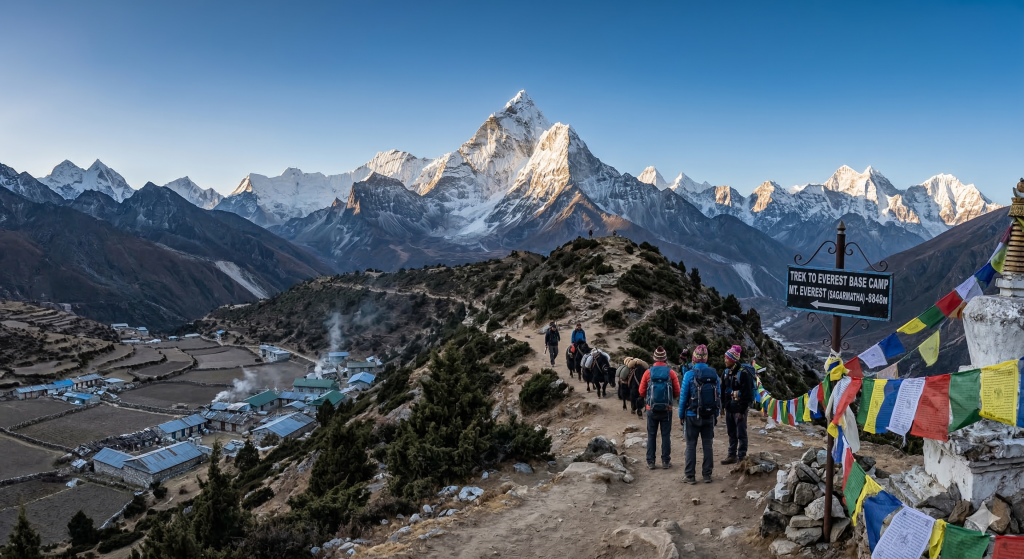
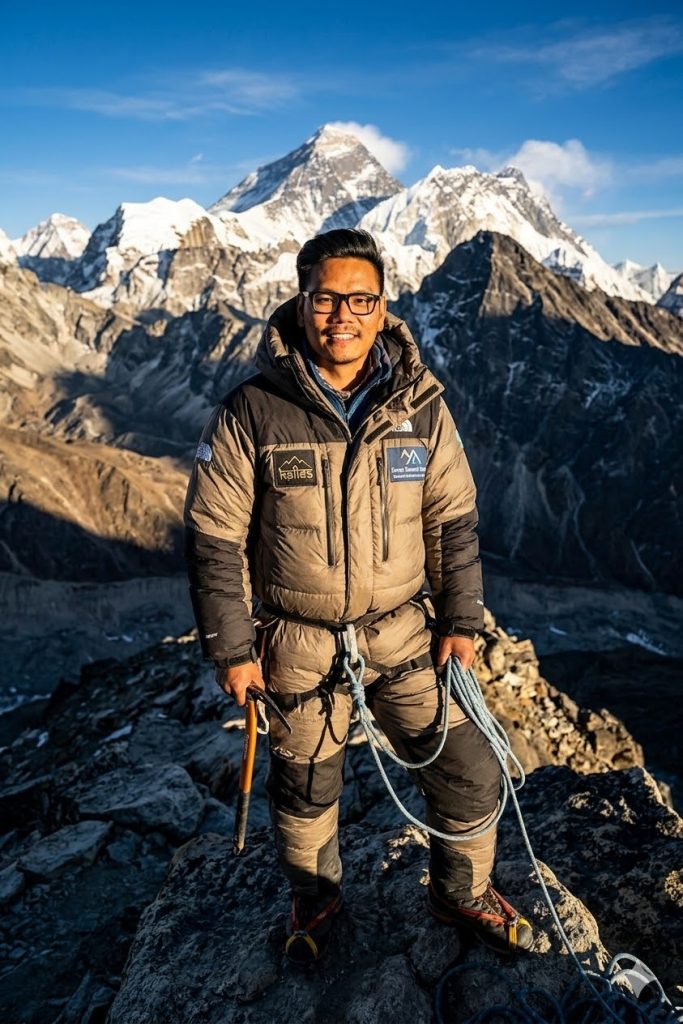
Among the climbers who entered politics this year was Mingma Sherpa, the founder of Seven Summit Treks and one of the most accomplished high-altitude mountaineers Nepal has ever produced. A global pioneer, Mingma Sherpa became the first Nepali and the first South Asian to summit all fourteen of the world’s 8,000-meter peaks—a feat that placed him among the elite figures of Himalayan history.
This year he contested for a seat in the House of Representatives under the Rastriya Swatantra Party (RSP) with a vision of tourism and mountaineering.
Contesting from his hometown district of Sankhuwasabha, one of Nepal’s most remote districts. Old political parties have deep roots there. Literacy remains low, and change comes slowly. In that environment, Mingma Sherpa faced a prominent opponent: Dr. Arjun Kumar Karki, a former Nepali Ambassador to the United States and a candidate from the long-established CPN-UML, losing with just 636 votes.
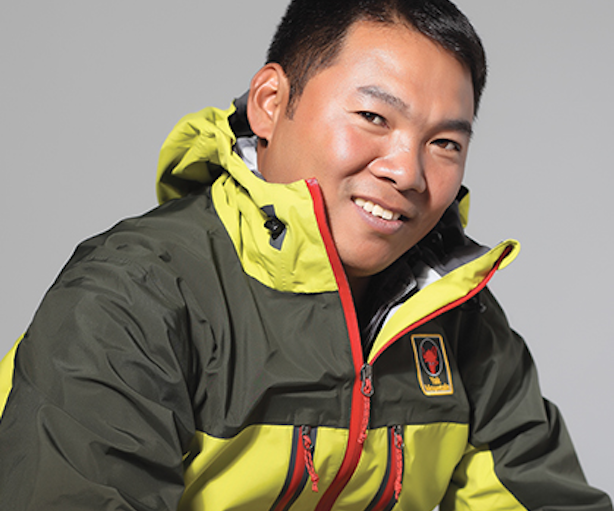
Behind Mingma Sherpa’s campaign was a powerful story rarely seen in politics. His brother, Tashi Lakpa Sherpa, was also included in the RSP proportional representation list. Yet when the time came to choose the path forward, Tashi Lakpa made a remarkable decision. He withdrew his own name from the PR list so that his elder brother Mingma Sherpa could receive the ticket to contest the direct election. In the mountains, teamwork is everything. In politics, such gestures are rare.
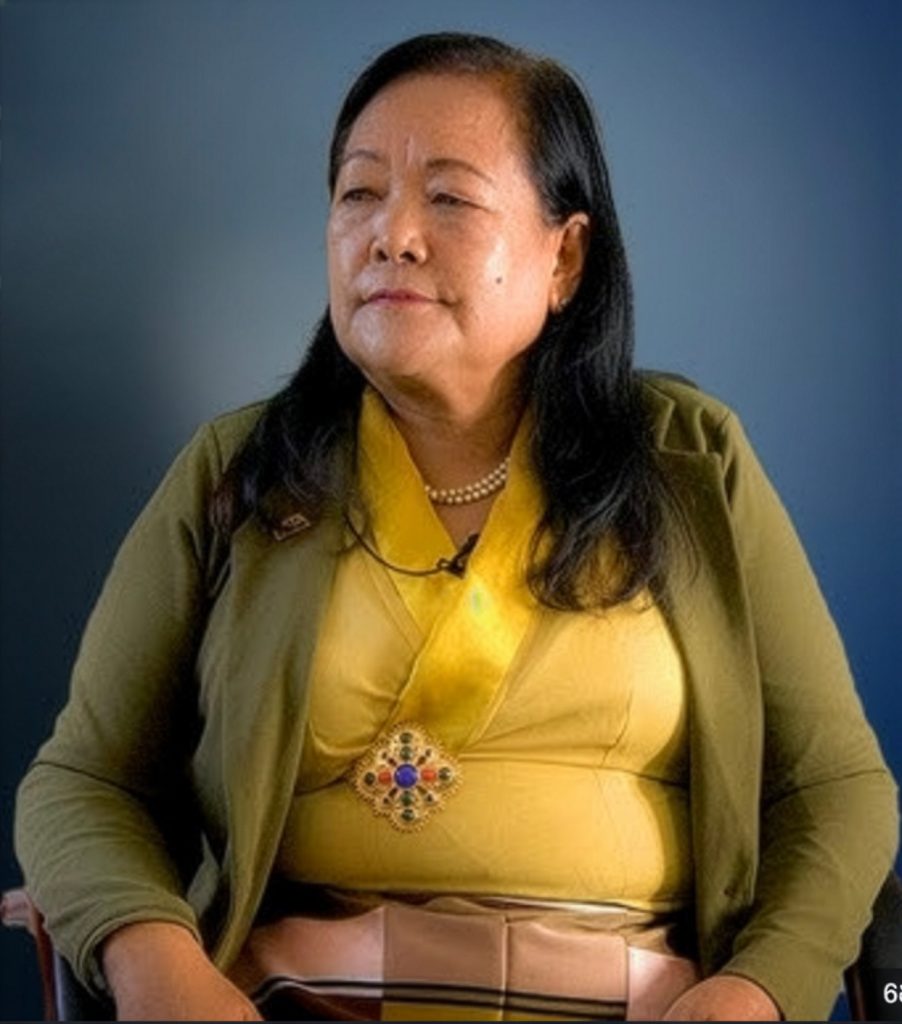
Another respected voice from the Himalayan community was Lakpa Phuti Sherpa, one of Nepal’s pioneering Sherpa women in mountaineering, the team mate and partner of late Pasang Lhamu Sherpa. Lakpa Phuti Sherpa has spent decades championing the role of Sherpa women in mountaineering and tourism.
She appeared on the proportional representation list backed by the Ujyalo Nepal Party through its alliance with the Pariwartan Party, hoping to carry the voice of the Himalayas into parliament. However, the alliance failed to cross a three-percent national vote threshold to qualify for proportional representation seats.
Now, the last remaining hope lies with Mingma Gyabu “David” Sherpa. Mingma David Sherpa is a world-renowned mountaineer and multiple world-record holder, known internationally for his extraordinary achievements in high-altitude climbing and rescue.
His career has inspired climbers across continents and has brought pride to Nepal’s mountaineering community. Today, he stands on the RSP proportional representation list, with a strong chance of entering parliament—if the party chooses to elevate him among its nominees. The decision now rests within the party’s leadership.
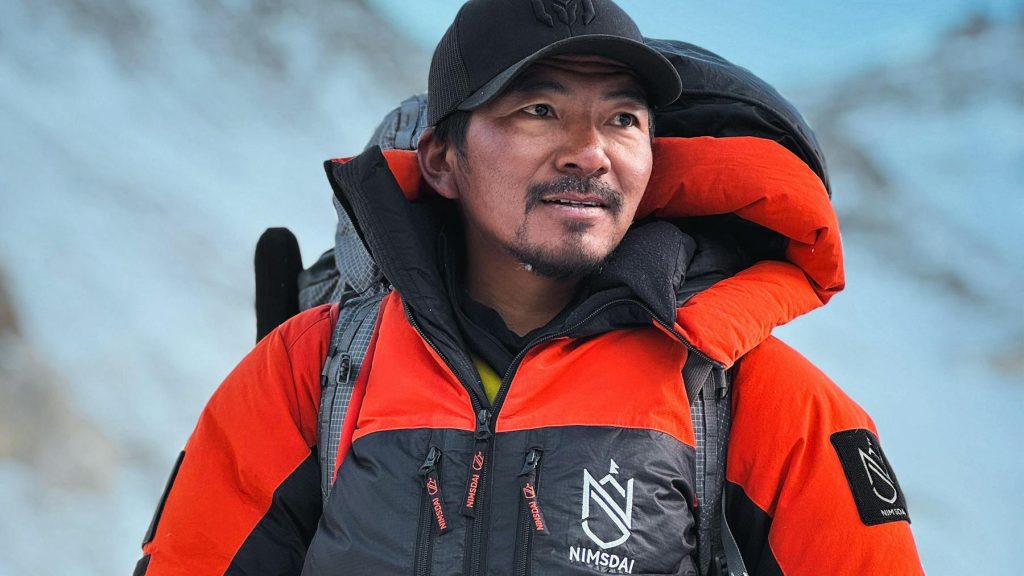
At a time when the nation calls itself the home of Everest, it would be a profound mistake if the next parliament did not include even a single voice from the global mountaineering community. Mountains are not just scenery for Nepal; But a pillar of the tourism economy, a symbol of national identity, a front line of climate change and a stage where Nepal’s reputation is built every year.
By bringing Mingma Gyabu “David” Sherpa into parliament, Nepal would not simply be electing a politician, but representing voice of the Himalayas into the parliament.
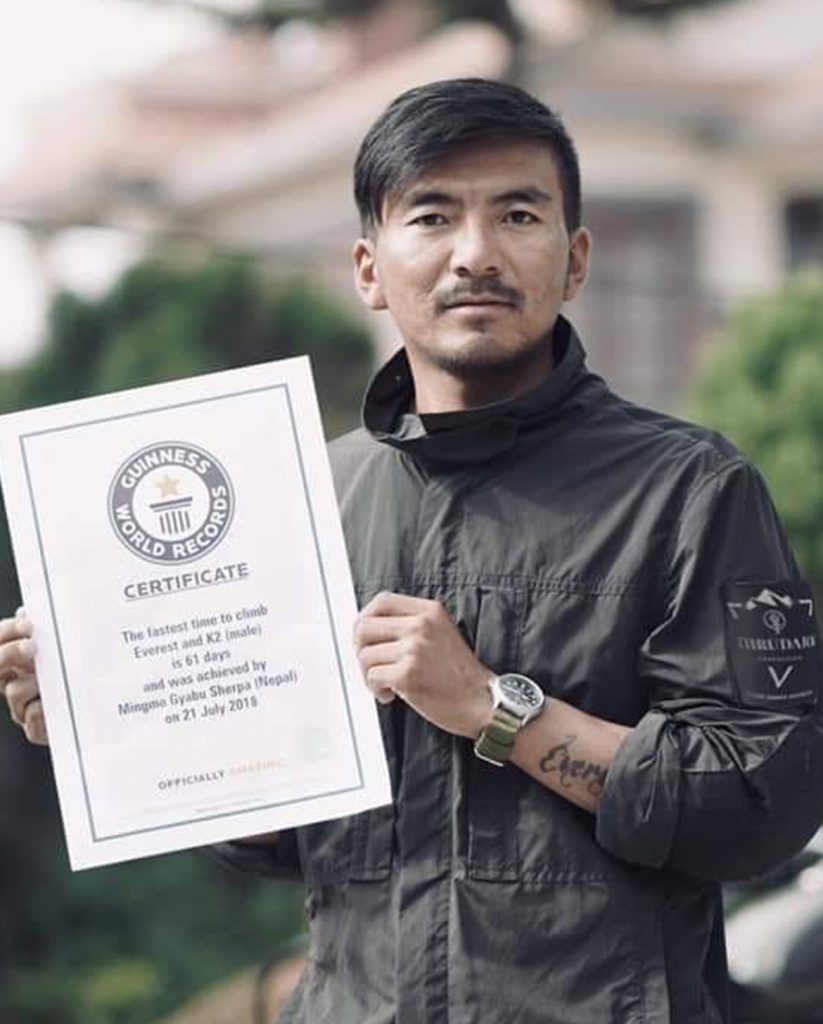
History remembers nations that recognize their heroes. The Sherpa community has carried the world to the summits of Everest, K2, and beyond. They have risked their lives in the death zone so that others could stand on top of the world. Now, Nepal has the chance to honor that legacy—not with medals or speeches, but with representation.
The parliament of the world’s greatest mountain nation should include at least one climber who understands those mountains from the inside.
Today, that climber is Mingma Gyabu “David” Sherpa.
